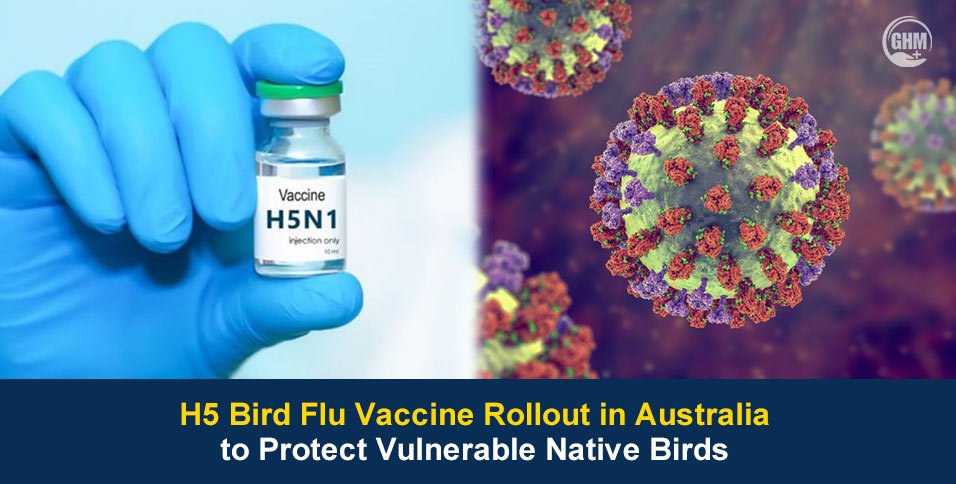
A targeted H5 bird flu vaccine rollout in Australia has been announced to protect vulnerable native bird species as the deadly H5N1 virus continues spreading through wildlife. The Australian federal government has secured about $2 million worth of vaccine, equal to around 1,500 vials. The first H5 bird flu vaccine rollout in Australia is expected in the coming days and weeks. Captive native birds will receive priority in the H5 vaccine rollout because authorities can identify, monitor and vaccinate them more reliably than free-ranging wildlife.
The Australian bird flu outbreak has spread into additional species and locations. Australia has recorded more than 230 confirmed H5 bird flu cases and its first mass-mortality event involving wildlife. The virus was initially detected in migratory birds before spreading to native species.
Agriculture Minister Julie Collins said, “We cannot stop the H5 bird flu spreading amongst wild birds, but we can take action to protect the species most at risk and vaccination is now part of that response.”
H5N1 Vaccine Rollout in Australia to Protect High-Risk Species
The H5 bird flu vaccine rollout in Australia will initially focus on native birds kept in captivity, particularly species considered highly vulnerable or important for conservation. State and territory governments will determine which species receive the vaccine based on their disease risk and potential conservation impact.
Potential priority species include endangered birds involved in conservation breeding programs, such as the orange-bellied parrot, regent honeyeater and Western Australia’s black cockatoos.
The development adds a new layer to Australia’s response, which has relied heavily on surveillance and biosecurity since the H5N1 virus reached native wildlife.
Bird Flu Vaccination in Australia Won’t Cover All Wild Birds
The bird flu vaccine requires two doses, which is a major logistical challenge in the Australian Bird Flu Rollout. This limitation makes captive populations the most practical starting point. Zoos and conservation facilities can provide controlled settings for vaccination and follow-up monitoring.
Environment Minister Murray Watt said broad vaccination of wild birds was not practical or feasible because catching the same wild bird twice would be difficult. However, authorities still hope to vaccinate some wild birds when conditions allow.
The government has also spent about 18 months gathering safety and efficacy information. Australia’s Chief Veterinary Officer Beth Cookson said existing vaccines were developed for poultry, so officials needed additional evidence before using them across different native bird species.
Biosecurity In H5 Vaccine Rollout Australia
The H5 bird flu vaccine rollout in Australia has been designed as part of a broader protection strategy rather than a replacement for biosecurity.
Cookson said influenza vaccines are not 100% protective and warned that vaccination is “not a standalone solution.” Biosecurity measures will therefore remain important for protecting captive and vulnerable wildlife.
The Australian government also plans to strengthen conservation breeding efforts and protect endangered populations from the wider effects of the bird flu outbreak.
Next Step In the H5 Bird Flu Vaccine Rollout in Australia
The federal government says it has enough vaccine for the initial H5 bird flu vaccine rollout in Australia but can secure additional supplies if necessary.
Beyond Australia, researchers and health authorities internationally continue to assess bird flu vaccines and preparedness strategies. Moderna has also begun a bird flu vaccine trial in the UK & US to tackle the bird flu threats.
As the bird flu in Australia spreads further and larger numbers of bird mortality follow, authorities will continue monitoring vaccine safety, effectiveness and the virus’s movement through wildlife.