The UK public health officials have issued an urgent alert following a Hepatitis A outbreak in Wales, after several linked infections were identified in the seaside town of Barry. Authorities say the cases appear connected and may indicate local transmission, prompting warnings to parents, schools, and residents about hygiene and infection prevention.
According to Public Health Wales, a small number of infections have been confirmed across three households in Barry, located in the Vale of Glamorgan. Health officials are now working alongside local schools, councils, and healthcare providers to prevent the virus from spreading further.
The Hepatitis A outbreak in Wales has renewed attention on outbreak preparedness and the importance of basic hygiene practices, particularly among children.
Health Officials in Wales Respond to Barry Hepatitis Cases
Health authorities said the affected individuals are recovering well and receiving appropriate care. However, officials remain concerned because the strain involved suggests the infection could be spreading locally within the community.
Susan Mably, Consultant in Health Protection for Public Health Wales, said letters have been sent to parents of primary school pupils in Barry asking families to remain vigilant.
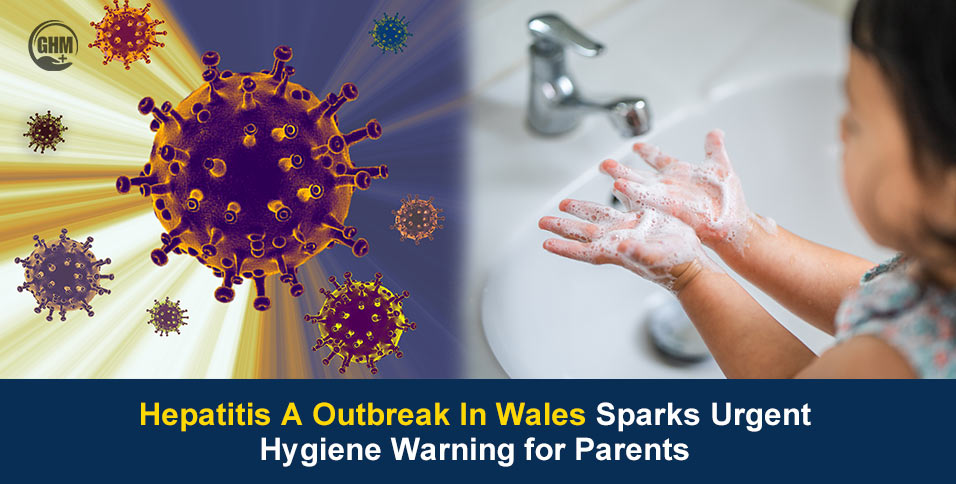
“The best way to prevent the spread of hepatitis A is to wash hands thoroughly with soap and water,” Mably said. “This is important after using the toilet, changing nappies, and before preparing or eating food.”
The health officials emphasize that younger children may not show symptoms while still transmitting the virus to others. Yet, the hepatitis cases in Barry Wales have also triggered a wider school hygiene warning.
What Is Hepatitis A and How Serious It Is?
Hepatitis A is a contagious viral infection that affects the liver. Unlike hepatitis B or C, hepatitis A usually does not cause long-term liver damage, and most people recover completely within a few months.
The virus spreads through contact with tiny traces of infected stool, often due to poor hand hygiene, contaminated food, water, or close personal contact. Because the infection spreads easily in shared environments, schools and households are considered high-risk settings during outbreaks.
The current hepatitis outbreak in Barry has drawn significant concern because local transmission of hepatitis A is relatively uncommon in Wales. Public health officials say Wales typically records around 20 hepatitis A cases annually, many linked to overseas travel.
This local cluster of Hepatitis, however, appears different because investigators believe community spread may already be occurring.
Hepatitis A Symptoms Parents Should Watch For
Health experts are urging families to stay alert for common hepatitis A symptoms, especially among children and household members who may have been exposed.
Symptoms of Hepatitis A can include:
- Fever
- Extreme tiredness or fatigue
- Nausea and vomiting
- Loss of appetite
- Stomach pain
- Joint or muscle pain
- Dark urine
- Pale-colored stools
- Yellowing of the skin or eyes, known as jaundice
Some infected children may show very mild symptoms or none at all, which increases the risk of unknowingly spreading the virus.
Officials say anyone experiencing symptoms should contact their GP or use NHS 111 Wales for medical advice.
Hepatitis A Transmission and Prevention Measures
Understanding Hepatitis A transmission is central to controlling the outbreak. The infection is most commonly spread through the “fecal-oral route,” meaning microscopic traces of stool enter another person’s mouth through contaminated hands, food, water, or surfaces.
Public health teams are strongly advising residents to follow strict hygiene measures for the prevention of Hepatitis A, including:
- Washing hands thoroughly with soap and water
- Supervising children’s handwashing routines
- Cleaning shared bathroom and kitchen surfaces
- Avoiding food preparation while unwell
- Staying home when symptoms appear
Experts note that alcohol-based hand sanitizers alone may not be fully effective against hepatitis A, making soap-and-water handwashing especially important.
Hepatitis A Vaccination in UK: Who Can Get It?
As part of the public health response, hepatitis A vaccination in UK settings has been offered to individuals identified as close contacts of confirmed cases.
The hepatitis A vaccine is not routinely included in the UK childhood vaccination schedule because infection rates are generally considered low. Instead, the vaccine is usually recommended for travelers visiting countries with higher hepatitis A rates, healthcare workers, or individuals at increased risk of exposure.
Public Health Wales confirmed that anyone requiring vaccination related to the current Hepatitis A outbreak in Wales has already been contacted directly.
There is currently no specific antiviral treatment for hepatitis A. Most patients recover with rest, hydration, and supportive care.
Conclusion
Outbreaks involving children can spread rapidly if symptoms are missed or hygiene practices are inconsistent. Public health officials continue to investigate how the virus spread between the affected households and whether additional cases may emerge in the coming weeks.
For now, authorities stress that the Hepatitis A outbreak in Wales remains limited and manageable, but they are urging the public not to ignore symptoms or basic hygiene precautions.
The current Hepatitis A outbreak in Wales serves as a reminder that even relatively rare infections can spread quickly when preventive measures are overlooked. Even the recent meningitis outbreak in the UK highlighted growing concerns around public health preparedness and rapid response measures.
Early awareness, proper handwashing, and timely medical guidance remain the best tools for limiting further transmission.