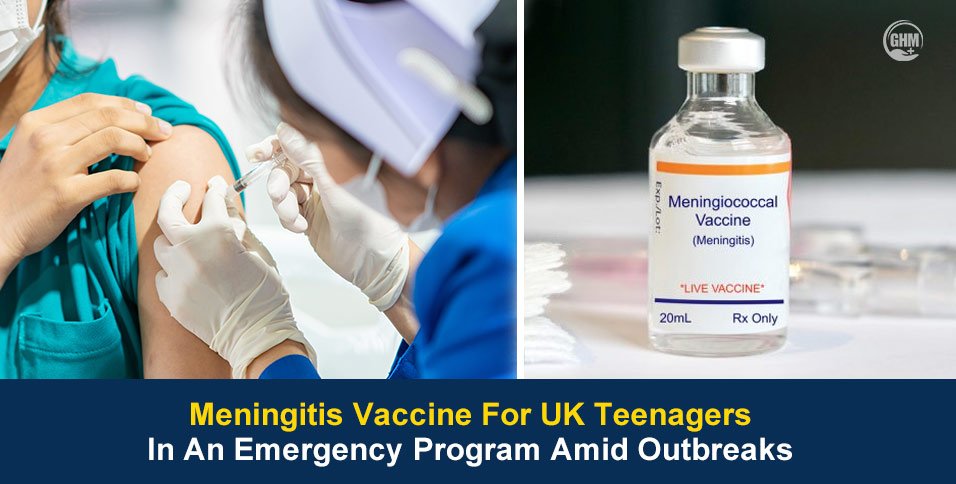
The UK government announced a one-off emergency MenB vaccination campaign to combat rising cases of meningococcal disease. In this urgent rollout of the meningitis vaccine for UK teenagers, public health officials expect approximately one million young people to be eligible.
The decision follows recent deadly meningitis B outbreaks in Kent, Dorset, and Berkshire, prompting rapid government intervention. Teenagers and first-year university students face a significantly higher risk of contracting the disease due to shifting transmission patterns.
Therefore, this proactive deployment of the meningitis vaccine for UK teenagers aims to protect them before the academic year begins.
Who Is Eligible for the Meningitis Vaccine In The UK?
The UK Health Security Agency (UKHSA) has established strict criteria to target individuals at the highest immediate risk of Meningitis infection.
Primary eligible groups for the NHS Meningitis vaccine:
- Year 13 Students: Any student completing school in the summer of 2026.
- Specific Birth Cohorts: Individuals born between September 1, 2007, and August 31, 2008.
- New University Entrants: First-time higher education students who are under the age of 25.
- Residential Learners: Young people entering residential further education settings for the first time.
- International Arrivals: International students under 25 who are beginning university in the UK.
For International Students: Eligible international arrivals should ideally seek their first vaccine dose in their home country before traveling to the UK.
Groups Not Covered by NHS Meningitis Vaccine Programme:
Because this is a highly targeted emergency response, certain demographics fall outside the current scope. The following groups will not receive the vaccine under this scheme:
- Students entering their second, third, or later years of university.
- Postgraduate students starting master’s degrees or PhDs.
- Any individual aged 25 and above.
- Returning university students resuming their studies after a temporary break.
How Will the Two-Dose MenB Vaccination Program Work?
The emergency meningitis vaccine rollout in England utilizes a strict two-dose schedule to maximize efficacy.
- Health officials plan to start the first wave of vaccinations on July 20, 2026.
- Patients will receive their second dose in August 2026.
The meningitis vaccine for UK teenagers relies entirely on the proven Bexsero vaccine manufactured by GSK. This specific vaccine already exists within the routine NHS childhood immunization schedule, which proves its established safety profile.
Patients must receive these two doses at least four weeks apart to ensure full, long-lasting protection.
The NHS will coordinate all invitations through digital and traditional communication channels.
Individuals eligible for the MenB vaccination rollout will receive notifications via the NHS app, text messages, emails, or official letters. While Year 13 students will be contacted directly, other eligible university entrants can book appointments directly through participating community pharmacies.
How Dangerous Is Meningitis?
Meningococcal B disease is a rare but exceptionally severe bacterial infection caused by Neisseria meningitidis group B. Many people carry the bacteria harmlessly in the throat, but it can turn lethal if it invades the bloodstream.
The infection moves rapidly and can cause devastating, permanent complications. These life-altering conditions include:
- Acute meningitis (inflammation of the brain and spinal cord membranes).
- Severe blood poisoning, also known as sepsis.
- Permanent hearing loss or epilepsy.
- Irreversible brain damage.
- Limb amputations due to tissue death.
Symptoms of Meningitis Parents & Students Should Watch For
Parents and students must remain vigilant for classic meningitis symptoms as the disease can progress within hours.
These warning signs of Meningitis include:
- A sudden high fever accompanied by cold hands and feet.
- A severe, throbbing headache and a very stiff neck.
- Persistent vomiting and severe joint or muscle pain.
- Extreme sensitivity to bright lights (photophobia).
- Confusion, delirium, or a state of being extremely sleepy.
- Focal seizures or neurological changes.
- A distinct, non-blanching rash or blotchy skin discoloration.
The symptoms of Meningitis can appear in any order. Furthermore, some critical signs might not appear at all during the early stages of infection. If a student feels deteriorating illness, they must seek emergency healthcare immediately.
Conclusion
At present, this Government’s initiative to offer the meningitis vaccine for UK teenagers operates strictly as a one-off emergency response. Meanwhile, the Joint Committee on Vaccination and Immunisation (JCVI) is actively reviewing emerging epidemiological data. They will assess whether transmission patterns have permanently changed and if a permanent routine adolescent rollout is necessary. This massive logistical effort requires deep collaboration between the Department of Health and Social Care, the NHS, universities, and leading health charities.
Eligible teenagers must prioritize booking their two doses this summer to secure vital immunity before entering high-density student housing.