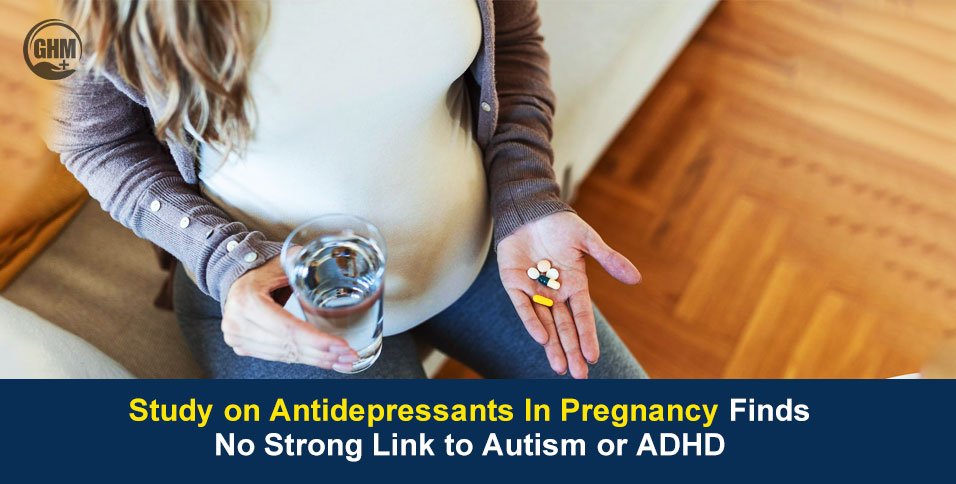
A major new study on antidepressants in pregnancy is offering reassurance to millions of families concerned about how antidepressants will affect their children if used during pregnancy. Published in The Lancet, the large-scale analysis found no strong evidence that using antidepressants during pregnancy directly increases the risk of Autism or Attention Deficit Hyperactivity Disorder (ADHD) in children after researchers accounted for genetic and mental health factors.
The findings come at a time when debates around SSRIs and pregnancy, fetal development, and maternal mental health treatment continue to grow globally. The research reviewed data from more than 25 million pregnancies and is being described by experts as one of the most comprehensive investigations into antidepressant use and child development to date.
According to The Lancet Psychiatry study, researchers found that the apparent increase in autism and ADHD risk in children due to antidepressants became far weaker after adjusting for family history, parental mental health conditions, and genetic influences.
What Did The Study on Antidepressants In Pregnancy Find?
The Study on using Antidepressants in Pregnancy analyzed 37 earlier studies involving more than 600,000 pregnancies exposed to antidepressants and nearly 25 million pregnancies without antidepressant exposure.
Initially, researchers observed:
- A 35% higher risk of ADHD
- A 69% higher risk of autism without intellectual disability
However, those numbers changed significantly once researchers adjusted for “confounding factors,” including depression during pregnancy, parental psychiatric history, and genetic predisposition.
Dr. Wing Chung Chang of the University of Hong Kong, the study’s lead author, said, “The findings suggest that underlying family and mental health factors are more likely responsible for the increased risks than the medications themselves.”
“We know many parents-to-be worry about the potential impact of taking medication during pregnancy,” Chang said. “Our study provides reassuring evidence that commonly used antidepressants do not increase the risk of neurodevelopmental disorders such as autism and ADHD in children.”
The study on antidepressants and pregnancy also found that paternal antidepressant use showed similar associations with autism and ADHD risk, further suggesting that shared genetic or environmental factors may explain the connection.
Why Mental Health Treatment in Pregnancy Matters
Experts say the findings of the study on antidepressants in pregnancy are important because untreated depression during pregnancy can also create serious health risks for both parent and baby.
The untreated maternal depression has been linked to premature birth, low birth weight, postnatal depression, and emotional & behavioral difficulties in children.
Mental health conditions are also associated with a significant percentage of pregnancy-related complications worldwide.
Doctors warn that abruptly stopping antidepressants during pregnancy without medical supervision can worsen symptoms and increase relapse risks.
For patients with moderate-to-severe depression, antidepressants remain an important treatment option. Current clinical guidelines generally support continuing necessary medications during pregnancy after discussing the benefits and risks with healthcare providers.
SSRIs and Pregnancy Remain Under Public Scrutiny
The conversation around (Selective Serotonin Reuptake Inhibitors) SSRIs and pregnancy has intensified in recent years, especially after discussions in the United States around psychiatric medication safety and prescribing practices.
Despite public concerns, experts say previous research on the risks of antidepressants in pregnancy often struggled to separate the effects of medication from the impact of underlying mental health conditions.
The latest analysis addressed some of those limitations by comparing:
- Mothers with depression who used antidepressants
- Mothers with depression who did not use antidepressants
- Fathers taking antidepressants before conception
- Sibling-matched data
Researchers found no meaningful dose-response relationship, meaning higher antidepressant doses did not consistently increase autism risk in children.
The study on antidepressants in pregnancy also reported no significant link between antidepressant exposure and intellectual disabilities, motor disorders, speech & language disorders.
However, researchers noted that some older antidepressants, including amitriptyline and nortriptyline, still showed a possible association with ADHD risk and antidepressants. Experts say more research is needed to determine whether those findings reflect medication effects or more severe underlying mental illness.
Experts Urge Individualized Pregnancy Care
Healthcare specialists emphasize that decisions about using antidepressants during pregnancy should remain individualized.
Dr. Jonathan Alpert of Montefiore Medical Center told CNN that the new findings provide “meaningful reassurance” about the safety of contemporary antidepressants.
Experts also recommend that patients explore all available treatment options, including therapy, counseling, and lifestyle support, especially for mild depression symptoms.
Summery
While researchers acknowledged limitations such as incomplete lifestyle and socioeconomic data, they say the overall findings strengthen evidence. The researchers highlight that antidepressant use and child development outcomes are influenced more by genetics and family mental health history than by medication exposure alone.
The new study on antidepressants in pregnancy adds to growing calls for evidence-based discussions around perinatal mental health rather than fear-driven decisions. Experts say protecting maternal mental health remains essential for both parents and children during pregnancy and beyond.