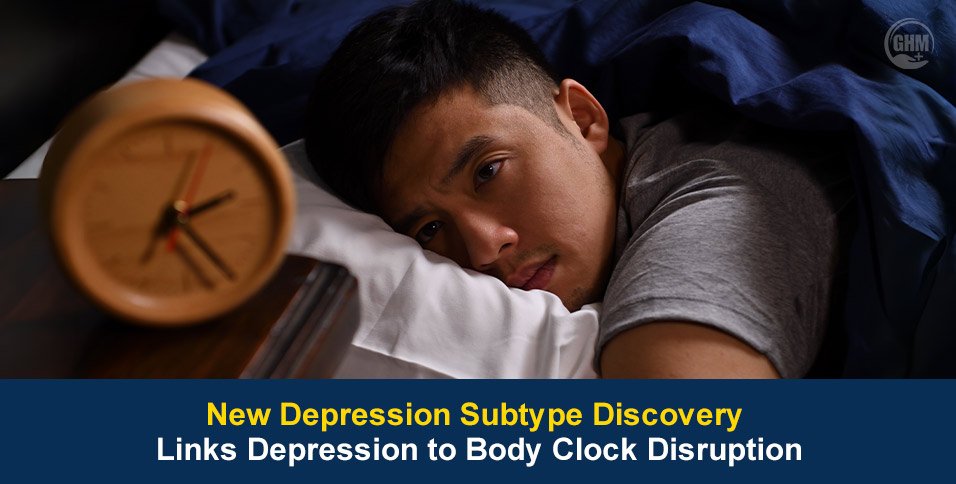
Most people understand that feeling sad is a natural part of life. However, when a heavy cloud of despair lingers for weeks, it often indicates a serious mental health disorder. In fact, approximately 1 in 6 adults will experience depression at some point in their lives.
Because the types of depression affect your mood, sleep, and energy levels, recognizing specific triggers and symptoms can lead to faster recovery.
This article explains the various types of depression, their unique symptoms, that will provide you with more clarity on this condition.
What Is Depression?
Depression is a serious mood disorder that creates a persistent feeling of sadness and a loss of interest in activities you once enjoyed. It goes far beyond a “bad day” or temporary grief. Instead, it alters your brain chemistry and impacts how you think, eat, and sleep.
Mental health experts now view depression as a spectrum of biologically distinct conditions. Specifically, researchers categorize these disorders based on their duration, triggers, and specific symptoms. Understanding these different types is critical because one treatment approach rarely succeeds in modern psychiatry. Consequently, the diagnostic process has become more refined to ensure patients receive interventions tailored to their unique neurobiological needs.
Types of Depression You Should Know For Mental Well-being
Clinicians categorize depression types based on the severity of symptoms, how long they last, and what specifically triggered the episode.
1. Major Depressive Disorder
Major Depressive Disorder (MDD), often called “clinical depression”, represents the most severe and common form of depression. This condition involves a pervasive state of low mood that lasts for at least two weeks. Individuals with MDD often find that their sadness feels detached from their external circumstances. Consequently, they lose interest in activities that once brought them joy. In severe cases, individuals may experience frequent thoughts of self-harm.
2. Persistent Depressive Disorder
Persistent Depressive Disorder (PDD) describes a chronic form of depression that lasts for two years or longer. This condition combines what experts formerly called dysthymia and chronic major depression.
For children and adolescents, the requirement for the period of depression is shortened to one year. Notably, people with PDD may also experience episodes of major depression, a phenomenon sometimes called “double depression”.
While the symptoms of PDD are often less intense than those of MDD, their duration makes them incredibly debilitating. Consequently, many individuals with Persistent Depressive Disorder feel as though their low mood is simply a part of their personality.
3. Seasonal Affective Disorder
Seasonal Affective Disorder (SAD) is a form of major depression that follows a seasonal pattern. Most individuals experience symptoms during the winter months, when daylight hours are shortest. This lack of light disrupts serotonin and melatonin levels, causing fatigue and oversleeping. However, a less common version of SAD can occur during the summer.
Women are significantly more likely to experience SAD, accounting for four out of five cases. Symptoms of seasonal affective disorder typically emerge between the ages of 20 and 30, although they can appear earlier. Common signs of SAD include oversleeping, carbohydrate cravings, and weight gain during the winter.
Light therapy is a highly effective treatment for this specific type of depression called seasonal affective disorder. Additionally, clinicians often recommend Vitamin D supplements to help boost serotonin levels. Psychotherapy also provides meaningful relief for those with more severe seasonal symptoms.
4. Postpartum Depression
Depression after childbirth is called postpartum depression. They arise from a complex interplay of rapid hormonal changes, sleep deprivation, and the intense stressors after childbirth and new parenthood.
Maternal mental health conditions are the most common complication of pregnancy. Roughly one in five new mothers are impacted by these disorders.
Symptoms of postpartum depression go far beyond the “baby blues,” which affect up to 85% of individuals but resolve within days. Postpartum depression involves severe anxiety, exhaustion, and difficulty bonding with the newborn.
Treatment for postpartum depression often involves a combination of therapy and medication. Specifically, interpersonal therapy explores how role transitions and relationship changes impact mood during this period.
5. Prenatal Depression
Depression during pregnancy is called prenatal depression. Depression related to the perinatal period is a significant public health issue.
Changing hormone levels can lead to sadness and irritability that last longer than a few days. Early medical intervention is vital for the health of both the parent and the baby.
6. Bipolar Disorder
Bipolar disorder, formerly known as manic depression, involves mood episodes that fluctuate between two extremes. During the “high” phase, individuals experience mania or hypomania, characterized by intense energy and euphoria. In contrast, the “low” phase presents as a depressive episode that mirrors Major Depressive Disorder. These shifts can happen frequently or be separated by periods of stable mood.
Treatment for bipolar disorder usually requires specialized mood stabilizers rather than traditional antidepressants alone.
Approximately 82.9% of people with bipolar disorder experience serious functional limitations, the highest rate among all mood disorders. Furthermore, the risk of suicide is significantly elevated, with as many as one in five patients completing suicide during their lifetime.
7. Premenstrual Dysphoric Disorder
Premenstrual Dysphoric Disorder (PMDD) is a severe form of premenstrual syndrome (PMS). It affects individuals typically during the week or two before their period starts. Unlike typical PMS, PMDD causes extreme emotional distress that severely interferes with work, school, and relationships.
Symptoms of premenstrual dysphoric disorder usually vanish shortly after menstruation begins.
8. Psychotic Depression
Some people experience major depression accompanied by psychosis. This includes hallucinations or delusions. Often, these delusions center on themes of guilt, poverty, or terminal illness.
Individuals with psychotic depression face a significantly higher risk of death compared to those with non-psychotic depression.
This severe form of depression requires immediate medical attention and often involves a combination of antidepressants and antipsychotic medications. For patients who do not respond to medication, ECT remains one of the most effective interventions for resolving psychotic episodes.
9. Atypical Depression
Despite the name, atypical depression is quite common. The defining feature is “mood reactivity,” where a person’s mood can temporarily improve in response to positive events.
Atypical depression is an underlying depression that remains severe and persistent.
The signs of atypical depression include increased appetite, Excessive sleeping, often lasting more than 10 hours a day, heavy feeling in the arms and legs, and a pattern of extreme sensitivity to interpersonal rejection.
Treatment for atypical depression often uses psychotherapy to help patients develop stronger interpersonal coping skills.
10. Childhood Depression
In younger populations, depression often presents as irritability rather than sadness. Children and adolescents aged 6 to 18 experience intense anger outbursts that are out of proportion to the situation. These symptoms must occur at least three times a week for a year or more across multiple settings.
Cognitive behavioral therapy is a critical treatment approach for childhood depression, which often focuses on emotion regulation and parent training to help stabilize the child’s environment.
11. Situational Depression
While not a technical psychiatric term, doctors often call this “stress response syndrome”. It occurs when you struggle to manage a specific stressful event, such as a divorce or job loss. Psychotherapy is often the primary treatment for this temporary state.
Common Symptoms Across Different Types of Depression
The Common symptoms of depression include:
- Persistent sadness or “empty” moods.
- Loss of interest in hobbies.
- Fatigue and significantly decreased energy.
- Sleep changes, such as insomnia or oversleeping.
- Appetite changes leading to weight loss or gain.
- Difficulty concentrating or making simple decisions.
Fortunately, depression is treatable through therapy, medication, or lifestyle adjustments.
What Are The Causes of Depression?
Research suggests that depression rarely has a single cause. Instead, it results from a mix of several factors:
- Brain Chemistry: An imbalance of neurotransmitters like serotonin and dopamine.
- Genetics: You are three times more likely to develop depression if a close relative has it.
- Trauma: Stressful life events like grief or isolation.
- Medical Conditions: Chronic illnesses like diabetes or heart disease.
- Substance Use: Alcohol and drugs can worsen depressive symptoms.
How To Start The Recovery From Depression
Navigating the different types of depression can feel overwhelming, but several evidence-based steps can aid your journey.
- Seek an Accurate Diagnosis: Consult a mental health professional to identify the specific type of depression you are experiencing.
- Track Your Mood: Use a journal or app to record your daily mood and activity levels, which can help your doctor identify seasonal or hormonal patterns.
- Combine Treatments: Research suggests that combining talk therapy with medication is more effective than using either alone.
- Prioritize Physical Health: Regular exercise, quality sleep, and balanced nutrition are foundational for mood regulation.
- Build a Support Network: Engage in group therapy or community support to overcome the isolation of depression.
Final Note
Understanding the various types of depression is the first step toward finding a path to wellness. Whether you are managing major depression, seasonal shifts, or the complexities of a chronic condition like PDD, remember that effective treatments exist. Modern psychiatry has evolved to offer tailored interventions that range from traditional talk therapy to groundbreaking rapid-acting medications.
As we look toward the future of mental healthcare, the integration of precision medicine and new neurotherapeutic options promises to help even the most difficult-to-treat cases. We encourage you to explore these recommendations and consult with a healthcare professional, such as a mental health therapist, to find the specific treatment plan that fits your needs.
If you found this guide helpful, please share it with your community to help others navigate their mental health journey.
Sanskruti Jadhav
Frequently Asked Questions About Depression
- How do I know if I have SAD or just the “winter blues”?
If your low mood persists for most of the day for at least two weeks and significantly interferes with your life every winter, you likely have Seasonal Affective Disorder.
- Can children really experience depression?
Yes. Approximately 4.4% of children in the U.S. have depression. In younger children, it often manifests as irritability, anger, or physical complaints like stomachaches.
- What are the most effective therapies for depression?
Cognitive Behavioral Therapy (CBT) and Interpersonal Therapy (IPT) are the most empirically validated psychological treatments for depression.
- Can depression go away without treatment?
While mild situational sadness might fade, clinical depression often worsens without professional care. Untreated depression can lead to chronic physical health issues and increased risks of self-harm.
- How do doctors diagnose depression?
Doctors use the DSM-5 criteria to diagnose depression, which requires a patient to show at least five symptoms for a minimum of two weeks. They may also use blood tests to rule out underlying conditions like hypothyroidism.