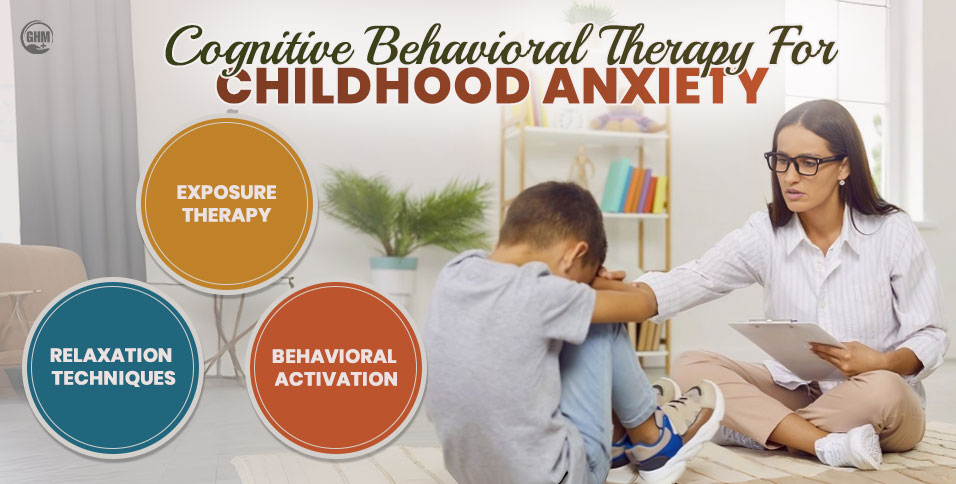
Childhood anxiety can feel like a complex and overwhelming puzzle for both kids and their caregivers. You might notice your child struggling with social situations or tearing up at the thought of being apart from you. You are certainly not alone in this journey. In fact, anxiety disorders are the most frequently diagnosed mental health conditions among children and adolescents today. You surely want to help your child find peace.
The solution can be found in therapy treatments, and for an anxious child, cognitive behavioral therapy can be most suitable. The cognitive behavioral therapy for childhood anxiety offers a structured, evidence-based solution that helps young ones to navigate these complicated emotions. This practical approach focuses on teaching actionable skills rather than just talking, helping children simplify everyday challenges.
This article explains how cognitive behavioral therapy for childhood anxiety works and different CBT technique approaches to help kids manage overwhelming emotions early in life.
What Is Cognitive Behavioral Therapy for Childhood Anxiety?
Cognitive Behavioral Therapy (CBT) is a highly effective form of psychotherapy that revolutionizes how children perceive and react to their world. It operates on the core principle that our thoughts influence our feelings, which then shape our behaviors. By identifying this connection, children learn that their worries do not always mirror reality.
Professional psychologists or therapists typically deliver this structured, short-term treatment to kids. It is the only psychological treatment identified to date as an “evidence-based treatment” for childhood anxiety.
Unlike traditional “talk therapy,” Cognitive Behavioral Therapy for childhood anxiety is active and skill-based. It typically lasts between 5 and 20 sessions.
which include:
- Guided dialogue to explore specific concerns.
- Interactive activities like role-playing or storytelling.
- Practical “homework” to reinforce new skills outside the therapist’s office.
Why Children Need Cognitive Behavioral Therapy Solution
Young individuals face multiple anxiety disorders simultaneously. Childhood anxiety treatment with early intervention is crucial for children to reduce prolonged effects on growth and development.
Approximately two-thirds of children who complete CBT see significant improvement and no longer meet the criteria for their primary diagnosis. Therefore, tackling fear in children early lays the groundwork for robust emotional resilience.
Cognitive behavioral therapy for childhood anxiety addresses various common challenges:
Common Types of Childhood Anxiety
- Separation Anxiety: Intense, persistent fear of being apart from parents or caregivers.
- Social Anxiety (Social Phobia): Overwhelming dread of social situations or being judged by others.
- Phobias: Intense fears tied to specific objects or situations.
- OCD and PTSD: Repetitive behaviors or flashbacks from past trauma.
- Comorbid Conditions: Children with ADHD or autism often experience heightened anxiety that CBT can help manage.
Unmanaged anxiety in children often spills over into school performance and social development, and further leads to parental stress. Tackling these fears early lays the groundwork for robust emotional resilience successfully.
How Cognitive Behavioral Therapy Works in Children
Understanding how cognitive behavioral therapy for childhood anxiety functions helps demystify the process for both parents and kids.
Research found that cognitive behavioral therapy alters brain activity in children with anxiety.
CBT helps kids see how a single negative thought can trigger a cycle of fear and avoidance.
When a child faces a challenge, their brain processes it through these steps, often leading to a cycle of distress if left unaddressed.
Core Steps in the Cognitive Behavioral Therapy For Childhood Anxiety
- Identifying Negative Thoughts: Recognizing “worry thoughts” as they happen. Such as a child thinking, “No one likes me.”
- Understanding Responses: Noticing how these thoughts make the body feel, if they make the kid feel sad or lonely.
- Challenging Beliefs: Asking if a fear is based on facts or just feelings.
- Replacing Thoughts: Swapping irrational beliefs with balanced, realistic thinking.
- Practicing Behaviors: Using new coping mechanisms in real-life scenarios.
Key CBT Techniques Used for Children
Therapists use specific techniques tailored to a child’s unique needs. These methods make cognitive behavioral therapy for childhood anxiety both engaging and effective.
1. Cognitive Restructuring
This technique teaches children to change negative thinking patterns. Children learn to replace catastrophic thinking with balanced, realistic alternatives. For example, a child might learn to replace “I’ll fail my test” with “I’ll try my best”.
2. Exposure Therapy
This is the gold standard for treating phobias and social anxiety in children as well as adults. Instead of avoiding fears, children are gently nudged to confront them bit by bit in a safe environment. They start by facing the least scary task and gradually move up, effectively building immense confidence in children.
3. Behavioral Activation
When children are anxious, they often stop doing things they love. Behavioral activation encourages them to schedule and participate in positive activities—like riding a bike or drawing. These small wins boost mood and provide a sense of accomplishment that counteracts the paralysis of anxiety.
4. Relaxation Techniques
Since anxiety manifests physically (racing heart, sweaty palms), therapists teach skills to reduce panic. Relaxation techniques like progressive muscle relaxation—where kids squeeze and release different muscle groups—and deep belly breathing help regulate the nervous system. These tools give children immediate control over their physical discomfort during a panic attack or stressful moment.
5. Play-Based and Interactive CBT
Traditional talk therapy can be boring for kids. Instead, therapists use games, puppets, and storytelling to teach CBT concepts. For example, a “Worry Monster” puppet might represent the child’s anxiety, allowing the child to “talk back” to their fears in a safe, imaginative way. This makes the therapy engaging and developmentally appropriate.
Simple CBT Exercises for Children at Home
Parents can reinforce cognitive behavioral therapy for childhood anxiety by practicing these simple exercises with their children at home.
- Thought Diary: Help your child record emotional triggers and the thoughts that follow. This helps externalize their internal dialogue and encourages self-reflection.
- Positive Reframing: When your child expresses a fear, ask them to find one realistic, positive alternative. This exercise trains the brain to look for nuances and successes rather than focusing solely on perceived failures or negative outcomes.
- Worry Box: Have your child write down worries and place them in a box to “externalize” them, keeping them out of their mind. This teaches children that they can set boundaries with their anxiety rather than letting it follow them all day.
- The 4-7-8 Breath: Teach them to inhale for 4 seconds, hold for 7, and exhale for 8 to reset their breathing. This rhythmic pattern sends a signal to the brain to move from “fight or flight” mode back into a state of calm.
Role of Parents and Caregivers In CBT
Parents are an indispensable partner in a child’s journey toward wellness. A supportive home environment acts as a fortress against stress. The parenting style significantly impacts how well the child handles social life.
Parents are also “co-therapists” who ensure the lessons learned in the clinic are applied in the heat of the moment at home.
Collaboration with the therapist is vital. Ensure you are “rowing in the same direction” by getting regular updates and reinforcing “therapeutic homework” at home. Consistency between therapy sessions and home life fosters lasting resilience.
Parents can play a vital role, along with cognitive behavioral therapy, by:
- Maintaining Open Communication: Create an environment where children feel safe sharing their weirdest or scariest thoughts. This builds the trust necessary for a child to be honest about their progress or struggles with the therapy.
- Build Structured Routines: Anxiety thrives on uncertainty. By maintaining a consistent schedule for meals, homework, and sleep, parents provide a predictable future for the child.
- Model Healthy Coping Behavior: Children observe how their parents handle stress. Handle stress calmly in front of them. Modeling these CBT techniques in your own life provides a powerful, silent lesson in emotional regulation.
When Is CBT for Children Not Enough?
While CBT is powerful, severe cases of anxiety may require a combined approach.
For some children, cognitive behavioral therapy for childhood anxiety is most effective when combined with other interventions such as ABA therapy. In severe cases, a mental health professional may recommend combining CBT with anxiety medication to help the child stabilize enough to engage in therapy.
How to Get Started with CBT for Your Child
If you suspect your child is struggling, take these actionable steps:
- Identify Symptoms Early: Keep a log of your child’s behavior. Look for persistent fears, avoidance, or physical signs like trouble sleeping.
- Consult Professionals: Talk to your pediatrician or a school counselor for a referral.
- Choose a Qualified Therapist: Ensure the therapist is licensed and has experience working with children and is trained in CBT.
- Check Insurance: Many plans cover mental health services, and some clinics offer sliding scale fees.
Conclusion
Cognitive behavioral therapy for childhood anxiety is more than just a treatment; it is a life-changing toolkit. By addressing anxiety early and involving parents in the process, we can transform fearful children into resilient, confident individuals. As we look to the future, the integration of digital platforms and school-based programs promises even greater access to these vital services. Early intervention remains the best way to ensure your child develops the resilience necessary for a healthy future.
Empower your child today by exploring the recommendations in this guide.
If you like this blog, then help other parents find these resources! Share this article on social media to spread awareness about childhood mental health.
Frequently Asked Questions
- Can CBT help with conditions other than anxiety, like ADHD?
Yes, while CBT is highly effective for anxiety, it is also used for ADHD, autism spectrum challenges, depression, and eating disorders.
- Is CBT safe for very young children?
Yes, Cognitive Behavioral Therapy (CBT) is considered a safe and highly effective treatment for children as young as 3 to 7 years old. Therapists use age-appropriate, play-based strategies like games and storytelling to make CBT accessible and safe for younger children.
- What are the 3 C’s of cognitive coping?
The 3 C’s of CBT are Catching, Checking, and Changing, which serve as practical steps to help people manage their thoughts and behaviors.