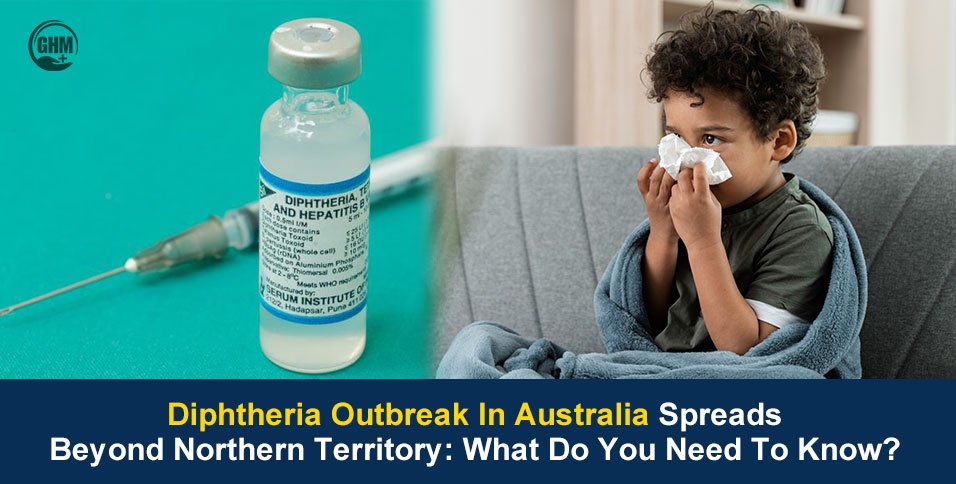
The diphtheria outbreak in Australia is becoming one of the country’s largest infectious disease events in decades, with cases spreading beyond the Northern Territory into Western Australia, Queensland, and South Australia.
According to Australia’s National Notifiable Disease Surveillance System, more than 130 cases have been recorded in the Northern Territory alone, alongside dozens more in neighboring states.
Federal Health Minister Mark Butler described the situation as “probably the biggest diphtheria outbreak we’ve seen, certainly for decades.”
Despite the recent Australian hospital funding deal, which includes billions in additional investments for public hospitals and urgent care services, the diphtheria outbreak in Australia highlights growing concerns about declining vaccination rates, missed booster doses, and healthcare access challenges in remote communities.
Diphtheria Cases Rise Across Multiple Australian Regions
The Northern Territory diphtheria outbreak first emerged earlier this year and has since spread into remote regions of Western Australia, South Australia, and Queensland. Health officials confirmed that both respiratory and skin-related infections are being detected.
Current figures reported by health authorities include:
- More than 130 cases in the Northern Territory
- Nearly 80 infections in Western Australia
- Several confirmed cases in South Australia and Queensland
Many of the infections have occurred in Indigenous communities, where overcrowded housing and limited access to healthcare services can increase the risk of transmission.
Authorities are also investigating a suspected diphtheria-related death in a remote Northern Territory community. If confirmed, it would mark Australia’s first diphtheria death since 2018.
Mark Butler said the federal government was working closely with Northern Territory authorities and Aboriginal-controlled health organisations to contain the outbreak and improve vaccination coverage.
What Is Diphtheria and Why Is It Dangerous?
Diphtheria is a bacterial infection that affects either the respiratory system or the skin. While modern vaccination programs have made the disease rare in Australia for decades, experts warn that immunity can weaken over time without booster doses.
There are two major forms of the illness:
- Respiratory Diphtheria
Respiratory Diphtheria affects the throat and airways and is considered the most dangerous. Severe cases can block breathing or damage the heart and nervous system.
- Cutaneous Diphtheria
Infections such as Cutaneous Diphtheria affect the skin and usually appear as chronic sores or ulcers. Although generally less severe, they can still spread the bacteria to others.
Health authorities say both forms are currently being detected during the NT diphtheria spread, making early diagnosis and treatment critical.
What Are The Symptoms Of Respiratory Diphtheria?
Medical experts warn that respiratory infections can become life-threatening if treatment is delayed.
Common respiratory diphtheria symptoms include:
- Sore throat
- Fever
- Swollen glands
- Difficulty breathing
- A thick grey coating in the throat
The bacteria can spread through coughing, sneezing, or close contact with infected sores.
Dr John Boffa from the Central Australian Aboriginal Congress said the outbreak demonstrates how quickly communicable diseases can move through vulnerable communities.
“We’ve been seeing around 15 to 20 new cases a week very consistently,” he said in media interviews, while urging people to seek testing and vaccinations quickly.
Is Vaccination Gap Driving Diphtheria Outbreak in Australia?
Public health officials say the outbreak highlights weaknesses in the childhood immunisation programme Australia relies on to prevent vaccine-preventable diseases.
Routine childhood vaccination coverage has reportedly fallen below the national target needed for strong community immunity. Adults are also missing recommended booster doses. The Australian Immunisation Handbook recommends a diphtheria vaccine booster every 10 years for adults, while some higher-risk groups may require more frequent protection.
Health authorities are now expanding vaccination campaigns in remote areas and Indigenous communities. Free vaccines and booster shots are being offered through local clinics and community health services.
Though, The New South Wales Government had recently launched the Nasal Spray Flu Vaccine for Young Children to improve child immunisation rates.
Australian Health Authorities Increase Response Measures
Australian Federal and state governments are coordinating outbreak response efforts across affected regions.
Safety measures for the Diphtheria Outbreak include:
- Expanded vaccination drives
- Community testing and throat swabbing
- Distribution of antibiotics and antitoxins
- Public awareness campaigns in remote communities
Conclusion
The diphtheria outbreak in Australia and rising cases serve as a reminder that vaccine-preventable diseases remain a serious public health threat when immunity gaps emerge.
While health authorities believe vaccination campaigns and rapid treatment efforts can slow transmission, officials continue urging Australians to stay up to date with booster doses and seek medical care if symptoms appear.
With cases continuing to spread across multiple regions, sustained public health investment, stronger vaccination coverage, and faster access to remote healthcare services will remain essential in containing the outbreak.