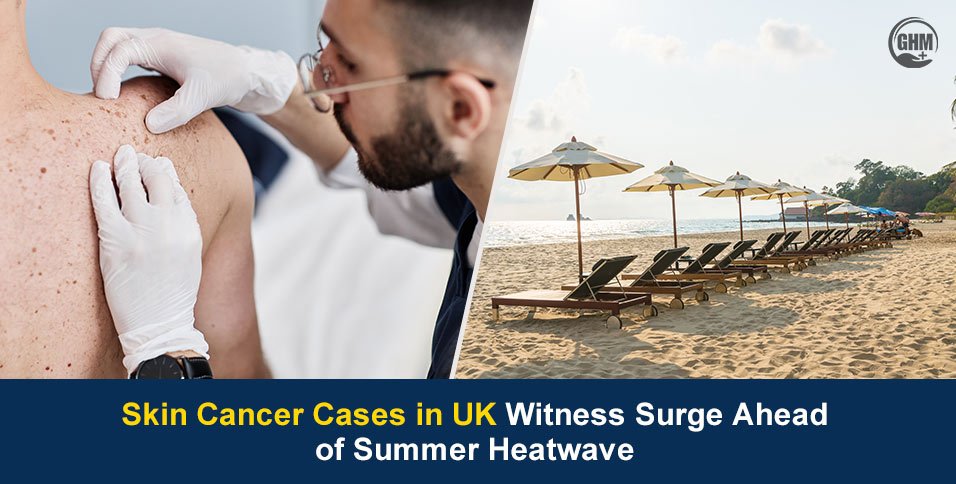
The number of skin cancer cases in UK has reached an all-time high, with new figures showing that diagnoses of melanoma, the deadliest form of skin cancer, have surpassed 20,000 for the first time. Health experts are warning that rising UV exposure, aging populations, and unsafe tanning habits could push cases even higher in the coming years.
According to new analysis from Cancer Research UK, there were 20,980 new melanoma diagnoses recorded across the UK in 2022. Researchers project that annual melanoma cases in UK could climb to 26,500 by 2040 if current trends continue.
The findings come as the UK prepares for unusually high temperatures during the bank holiday weekend, prompting renewed calls for stronger sun safety awareness and prevention measures.
Causes of Rising Melanoma Skin Cancer in the UK
Melanoma is considered the most serious form of skin cancer because it can spread quickly to other parts of the body if not detected early. It is currently the fifth most common cancer in the UK and one of the fastest-rising cancers globally.
Health organizations say prolonged exposure to UV radiation from sunlight and sunbeds remains the leading cause of melanoma.
Nearly nine in 10 melanoma cases are linked to excessive UV exposure. Repeated sunburn significantly increases risk, with studies showing that experiencing five or more severe sunburns can double the likelihood of developing melanoma later in life.
Experts also warn that people often underestimate UV damage during cooler or cloudy weather.
Michelle Mitchell, chief executive of Cancer Research UK, said the rise in melanoma diagnoses is “concerning,” especially because many cases are preventable.
Some specialists note that increased screening and earlier detection have helped identify more melanoma skin cancer cases in UK than in previous decades.
“The fact that most of these cases are preventable underlines the importance of people taking sun safety seriously,” she said.
Effects of Sunbeds Under Fresh Scrutiny
The rise in melanoma skin cancer in UK has intensified debate around sunbed regulations, particularly for younger people.
The UK government is currently considering stricter rules that would require mandatory ID checks before customers can use tanning beds. Officials say some teenagers are bypassing existing restrictions through unattended “tap-and-tan” systems.
A recent parliamentary report also called for stronger measures, including:
- Banning sunbed advertising
- Introducing cigarette-style health warnings
- Expanding public health campaigns on UV exposure
- Removing VAT on sunscreen products
Lawmakers highlighted evidence showing that using sunbeds before the age of 35 increases melanoma risk by around 60%.
Some countries, including Australia and Brazil, have already banned commercial cosmetic sunbeds entirely.
Melanoma Symptoms People Should Watch For
Doctors are urging people to seek medical advice quickly if they notice unusual skin changes.
Common symptoms of melanoma include:
- A new mole appearing suddenly
- Changes in the size, shape, or color of a mole
- Irregular borders or uneven pigmentation
- A sore that does not heal
- Itching, bleeding, or crusting skin lesions
NHS England officials stress that early diagnosis can dramatically improve survival rates.
Professor Peter Johnson, national clinical director for cancer at NHS England, encouraged the public to remain alert during the warmer months.
“If you notice anything unusual, like a new mole, a changing lesion, or any patch of skin that doesn’t look right, then please don’t wait to contact your GP because catching cancer early really does save lives,” he said.
Public Health Experts Urge Better Sun Safety Awareness
Health organizations are using the latest figures to reinforce sun safety awareness messages ahead of summer.
Experts recommend several protective measures:
- Seek shade between 11 am and 3 pm
- Wear hats, sunglasses, and protective clothing
- Apply SPF 30 or higher sunscreen regularly
- Reapply sunscreen after swimming or sweating
- Avoid sunbeds entirely
Public health groups are also raising concerns about misinformation circulating online, including misleading claims about tanning benefits or false warnings about sunscreen ingredients.
Campaigners say better education, affordable sunscreen access, and clearer health messaging will be critical to reducing future Skin Cancer Cases in UK.
With temperatures expected to rise further during the summer months, health leaders warn that prevention and early detection remain the strongest tools against melanoma.