Introduction: The Shift Toward Safety-Centered Aesthetic Practice
Aesthetic medicine has experienced rapid expansion over the past decade, driven by growing demand for non-surgical cosmetic procedures such as neuromodulators, dermal fillers, and biostimulators. While this growth has made treatments more accessible, it has also intensified scrutiny around patient safety and clinical accountability.
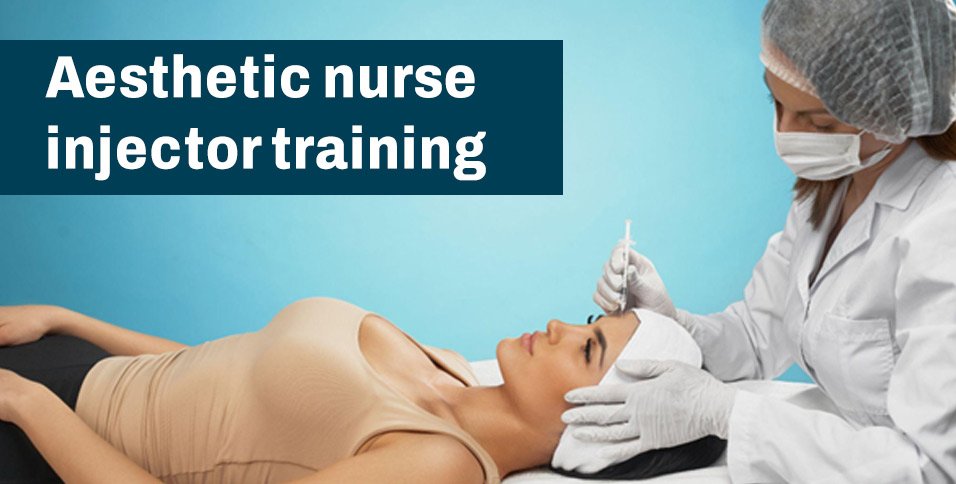
Today, the expectation is no longer just about achieving aesthetically pleasing results; it is about achieving them safely, consistently, and ethically. As a result, structured education pathways, including aesthetic nurse injector training, have become a critical component in shaping competent and responsible practitioners.
Advanced training is now widely recognized as a key driver in reducing complications, improving technique precision, and elevating overall standards in aesthetic medicine.
Defining Advanced Injector Training in Modern Aesthetic Medicine
Advanced injector training refers to structured, competency-based education that extends beyond introductory certification. It focuses on integrating clinical science with practical application, ensuring injectors are fully prepared for real-world patient care.
Comprehensive programs emphasize a multidisciplinary approach that includes anatomy, pharmacology, patient assessment, and procedural safety. The importance of evidence-based injectable education in improving both patient outcomes and practitioner confidence.
In essence, advanced training transforms injectors from technique-focused practitioners into clinically informed decision-makers.
Clinical Anatomy: The Foundation of Safe Injecting
A thorough understanding of facial anatomy is one of the most critical safety factors in aesthetic medicine. The face is a highly complex structure composed of vascular networks, nerves, fat compartments, and dynamic muscle systems that all interact during treatment.
Advanced training emphasizes:
- Identification of high-risk vascular zones
- Understanding depth variations across facial layers
- Age-related anatomical changes affecting product placement
- Functional muscle mapping for natural results
This level of anatomical precision significantly reduces the risk of complications such as vascular occlusion, asymmetry, and tissue damage. In modern practice, anatomy is no longer theoretical knowledge; it is a safety mechanism that guides every injection decision.
The Importance of Hands-On Clinical Training
While theoretical knowledge provides the foundation, hands-on training is where competency is truly developed. Supervised clinical practice allows injectors to refine technique, improve precision, and develop critical decision-making skills in real time.
Structured programs prioritize live demonstrations, guided practice, and scenario-based learning to simulate real clinical conditions.
Through repeated application under expert supervision, practitioners gain:
- Improved injection accuracy and consistency
- Better spatial awareness of facial structures
- Enhanced confidence in patient management
- Faster recognition of technique-related errors
This experiential learning process is essential for translating knowledge into safe clinical execution.
Complication Prevention and Emergency Management
Even in highly skilled hands, aesthetic procedures carry inherent risks. Advanced injector training places strong emphasis on prevention, early detection, and management of complications to ensure patient safety at every stage of treatment.
Key areas of focus include:
- Recognition and management of vascular occlusion
- Infection control and sterile technique adherence
- Handling allergic or inflammatory reactions
- Post-procedure monitoring and patient education
Clinical guidance reinforces a safety-first approach, where preparedness and rapid response protocols are essential components of responsible practice.
The ability to manage complications effectively is often what distinguishes advanced injectors from minimally trained providers.
Continuing Education and the Evolution of Industry Standards
Aesthetic medicine is a rapidly evolving field. New injection techniques, product innovations, and safety protocols are continually emerging, requiring practitioners to remain actively engaged in continuing education.
Ongoing professional development ensures injectors stay current with:
- Updated product formulations and rheology
- Evolving injection techniques and protocols
- Revised safety guidelines and regulatory standards
- Patient-centered aesthetic approaches
Continuous education is not optional; it is a professional obligation that directly impacts patient safety and treatment quality.
This commitment to lifelong learning helps maintain high clinical standards across the industry.
The Role of Structured Education in Elevating Patient Outcomes
Structured education programs are increasingly shaping how injectors approach patient care. Rather than focusing solely on technique, modern training emphasizes critical thinking, ethical responsibility, and individualized treatment planning.
Structured injector education programs further demonstrate how standardized learning frameworks contribute to safer, more predictable outcomes in clinical practice.
By reinforcing anatomy-based decision-making and standardized safety protocols, these programs help reduce variability in treatment quality and improve overall patient satisfaction.
Conclusion: Safety as the Defining Standard in Aesthetic Medicine
The evolution of aesthetic medicine is being driven by one central principle: safety must come first. Advanced injector training has become the cornerstone of this shift, equipping practitioners with the knowledge, technical skill, and clinical judgment required to deliver safe and effective treatments.
From anatomy mastery and hands-on practice to complication management and continuous education, every component of modern training contributes to raising industry standards.
As patient expectations continue to rise, the future of aesthetic medicine will belong to those who prioritize precision, accountability, and, above all, safety.