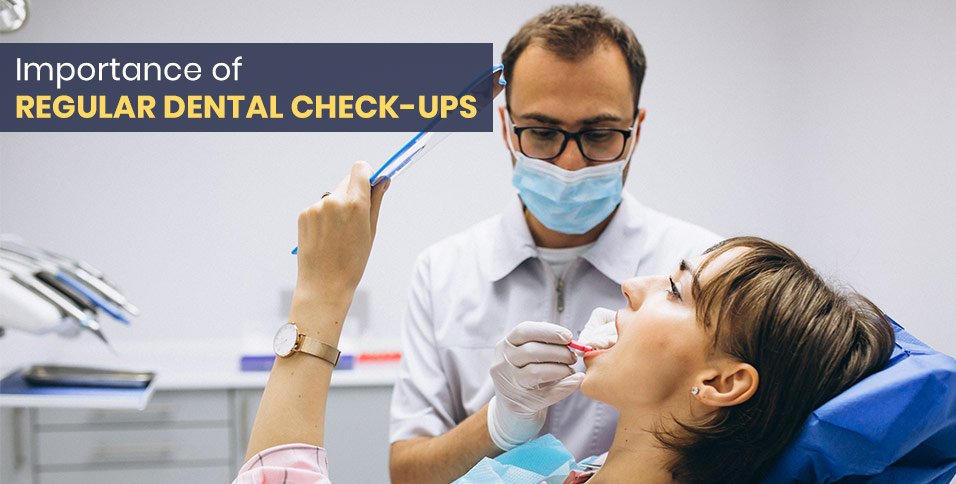
Regular dental care is not only about keeping your smile bright. It helps you prevent pain, avoid bigger treatments, and understand what is happening inside your mouth before problems become harder to manage. The importance of regular dental check-ups comes down to one simple idea: small problems are easier to treat than advanced ones.
Many people wait until something hurts to schedule dental care. That delay can turn a small cavity, gum irritation, or tartar buildup into a more complex concern. When you keep up with dental appointments, your dentist can track changes, clean areas you cannot reach at home, and give advice that fits your teeth, gums, habits, and health history.
Why Regular Dentist Visits Matter
The importance of regular dentist visits starts with prevention. Brushing and flossing help every day, but they cannot show you what is happening below the surface or under the gumline. A dentist can spot early changes that may not cause pain yet.
One common question is: what are the benefits of dental checkups? The biggest benefit is control. You get a clearer picture of your oral health, and your dentist can act before minor concerns become costly or painful.
A routine visit can help with:
- Finding cavities before they grow
- Checking gums for inflammation or bleeding
- Screening for signs of oral cancer
- Tracking bite, enamel, and jaw changes
- Giving better home-care guidance
The benefits of regular dental visits also include cleaner teeth, fresher breath, and fewer surprises. If you want local preventive care, a Smile Lab dentist in Manhattan, NYC can help you understand your current risk level and plan your next steps.
How Often Should You Go?
Many people hear that they should see a dentist every six months. That schedule works well for many patients, but it is not the same for everyone. Some people may only need care every 6 to 12 months, while others need visits more often because of gum disease, dry mouth, pregnancy, smoking, diabetes, or frequent cavities.
The importance of regular dental visits is not tied to one fixed schedule. It depends on your mouth, your habits, and your risk level.
You may need more frequent care if you have:
- Bleeding gums
- A history of cavities
- Gum disease
- Diabetes or other health conditions
- Dry mouth from medication
- Tobacco use
- Braces, aligners, crowns, or implants
The dental checkup importance is stronger when you already have risk factors. These visits help your dentist compare past and current findings, which makes changes easier to notice.
If you have not had care in years, do not wait for pain. A checkup can show where you stand now and what needs attention first. The importance of visiting dentist regularly is that it gives you a plan instead of leaving you to guess.
What Happens During a Check-Up?
A check-up is usually simple. The details may vary, but most visits include a review of your health history, a cleaning, an exam, and advice for home care. X-rays may be taken when your dentist needs to see areas that are not visible during the clinical check.
A dental hygienist usually handles the cleaning. This includes removing plaque and tartar, flossing, polishing, and checking your gums. Then the dentist reviews your teeth, gums, bite, and mouth tissues.
This is where routine dental exam importance becomes clear. Your dentist can find dental issues before they cause strong symptoms. Early cavity changes, gum pockets, enamel wear, and suspicious spots in the mouth are easier to manage at an early stage.
| Routine check-ups | Delayed visits |
| Help catch small problems early | Problems may grow without symptoms |
| Support simpler treatment plans | Treatment may become more complex |
| Keep tartar under control | Buildup can affect gum health |
| Give steady prevention advice | Care becomes reactive |
During the visit, your dental team may check:
- Teeth and fillings
- Gum health
- Plaque and tartar levels
- Bite pressure or grinding signs
- Oral tissues, tongue, and throat
- X-rays when needed
A professional cleaning also helps keep teeth clean in areas your toothbrush misses. This does not replace home care. It supports it.
Benefits Beyond a Cleaner Smile
The benefits of routine dental check-ups go beyond the way your teeth look. Professional care helps lower your risk of decay and gum disease, which are two of the most common reasons people need dental treatment.
The oral health checkup importance also connects to whole-body awareness. Gum inflammation, dry mouth, infections, and oral lesions can give clues about broader health conditions. Your dentist is not replacing your physician, but your mouth can show signs that deserve attention.
Regular dental checkups also help with early detection. For example, a small cavity may need a filling. If ignored, it can reach the nerve and require more treatment. Gum irritation may be easy to control at first. If it progresses, it can affect the bone that supports your teeth.
The benefits of regular dental care include:
- Lower risk of tooth loss
- Better control of tartar
- Fewer emergency visits
- More personalized home-care advice
- Improved confidence when speaking or smiling
If you are unsure where to begin, a Smile Lab dentist in Manhattan, NYC can review your current oral health and explain what matters most for your situation.
When You Should Go Sooner
Do not wait for your next scheduled visit if something feels off. Pain is not the only sign that you need care. Some oral health issues start quietly and become more serious over time.
You should visit the dentist sooner if you notice:
- Tooth pain or sensitivity
- Bleeding when brushing or flossing
- Swollen gums
- Loose teeth
- Sores that do not heal
- Jaw pain
- Bad breath that does not improve
- A bad taste in your mouth
These symptoms can point to cavities, infection, gum inflammation, bite problems, or other oral health issues. The sooner you get checked, the easier it may be to treat the cause.
Regular dental visits make this process easier because your dentist already knows your baseline. That helps them notice what changed.
A visit your dentist recommends may include a targeted exam, X-rays, or a deeper cleaning if tartar has built up under the gums. The goal is not to overtreat. The goal is to understand the problem and stop it from getting worse.
You should also visit your dentist if you are starting a new medication, managing a new medical condition, or noticing dry mouth. These changes can affect your risk for tooth decay and gum problems.
In the long term, prevention is usually simpler than repair. Keeping a regular schedule can help you avoid pain, protect your gums, and make each appointment less stressful. It also gives you a clear answer when you wonder whether your mouth is truly healthy or just not hurting yet.