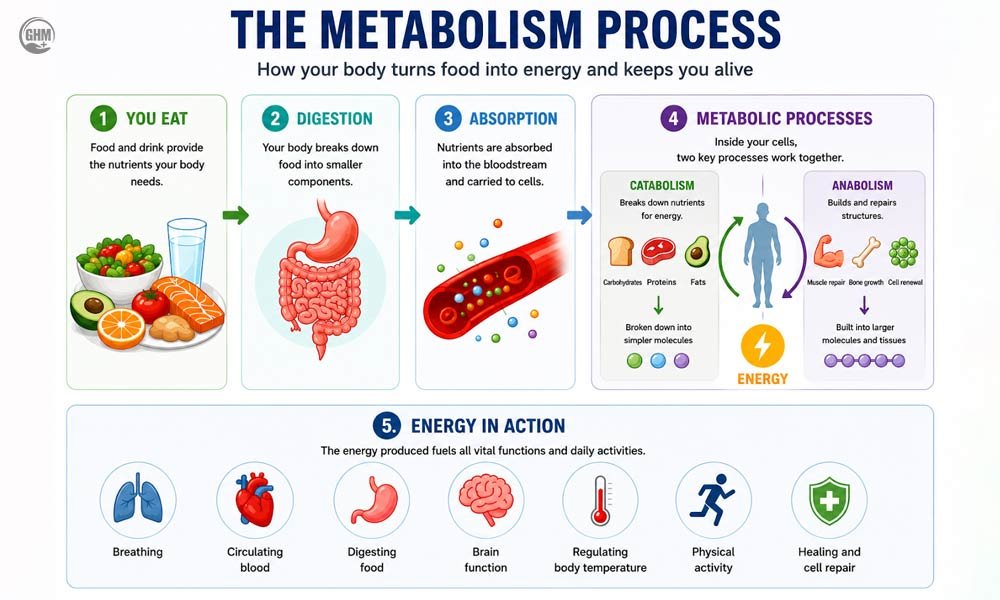
The global obesity rate is continuously growing despite people’s efforts to lose weight. Many constantly try to stay fit, but they can’t seem to shake a few extra pounds. Unfortunately, these are signs of slow metabolism. Metabolism is simply the sum of chemical processes your body uses to turn food and drink into energy. A slow metabolism means your body burns fewer calories at rest compared to someone with a faster metabolic rate.
However, metabolism isn’t only about weight loss or calorie burning. It also affects your energy levels, body temperature, digestion, and even your mood. Therefore, it is important to know the signs of slow metabolism.
In this guide, you’ll learn exactly what a slow metabolism means, the ten most common signs of slow metabolism to watch for, what causes it, and simple ways to support your body’s energy engine.
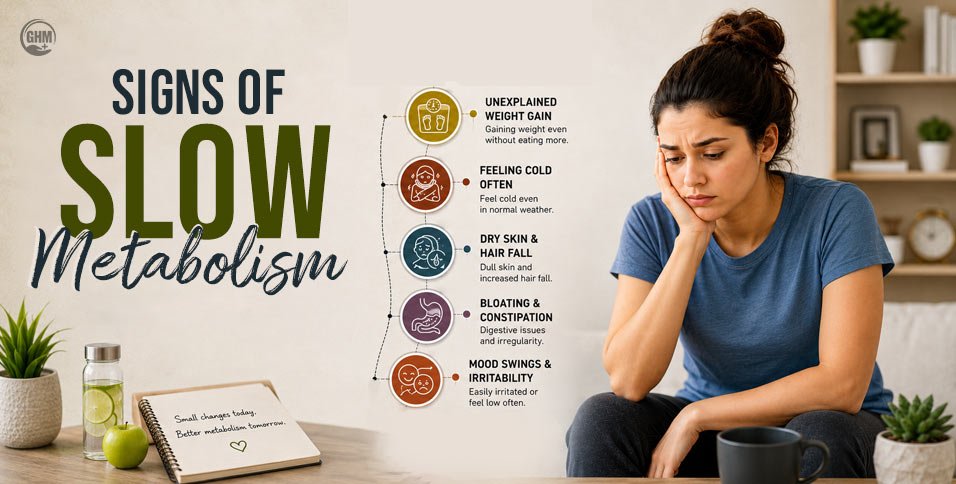
10 Common Signs of Slow Metabolism You Should Notice
1. Difficulty Losing Weight
When your body burns fewer calories at rest, it’s easier to put on extra weight and harder to lose it, even with a reasonable diet. That said, weight changes can also stem from medications, hormonal shifts, or underlying health conditions, so this sign alone isn’t a diagnosis.
2. Persistent Fatigue
Feeling drained despite a full night’s sleep is one of the most commonly reported signs of slow metabolism. When your cells aren’t producing energy efficiently, everyday tasks can feel more tiring than they should. However, this is different from the occasional tiredness everyone experiences; chronic, unexplained fatigue needs attention.
3. Feeling Cold More Often Than Others
Persistent cold intolerance is a symptom of slow metabolism. Metabolism generates heat as a byproduct of energy production, so a slower metabolism can leave you feeling cold when others are comfortable.
4. Dry Skin, Brittle Nails, or Hair Thinning
Your skin, hair, and nails depend on efficient nutrient use and balanced hormones to stay healthy. When metabolic and hormonal processes slow down, these tissues are often among the first to show it. However, dryness and brittleness can have plenty of other causes too, from weather to nutrient deficiencies.
5. Frequent Bloating
A slower metabolism can mean slower digestion, which sometimes shows up as bloating, gas, or constipation. Occasional digestive discomfort is normal, but persistent symptoms can be a signal from your body.
6. Sugar Cravings
Fluctuations in energy levels and blood sugar regulation can trigger cravings for quick sources of fuel, like sugar or refined carbs. In many women, craving sweets can be a symptom of menstruation.
7. Difficulty Concentrating
Your brain is one of the most energy-hungry organs in your body. When energy availability dips, so can focus, memory, and mental sharpness, sometimes described as brain fog or general mental sluggishness.
8. Mood Changes or Irritability
Hormones, energy regulation, and mood are closely linked. A bad metabolism can contribute to irritability or low mood in some people due to lack of available energy compared to everyone else.
9. Reduced Muscle Mass or Weakness
Muscle tissue burns more energy at rest than fat tissue does, so losing lean muscle can lower your resting energy expenditure and contribute to a slower metabolism.
What Are The Causes of Slow Metabolism?
- Hormonal imbalances: Conditions like hypothyroidism (an underactive thyroid), insulin resistance, and cortisol imbalances can all slow metabolic rate.
- Aging and natural muscle loss: Muscle mass naturally declines with age, lowering resting energy expenditure. Research on age-related muscle loss shows adults typically lose roughly 3–8% of muscle mass per decade after age 30, with the pace picking up after 60.
- Restrictive dieting: Very low-calorie diets, crash dieting, and prolonged fasting can push your body into energy-conservation mode, which is counterproductive for anyone hoping to boost metabolism naturally.
- Poor sleep and chronic stress: Both disrupt the hormones that regulate appetite and energy use, making it harder for your body to burn energy efficiently.
- Sedentary lifestyle: Not just lack of formal exercise but low daily movement reduces total energy expenditure over time.
- Certain medical conditions and medications: Thyroid disorders, diabetes, and some prescription medications can directly affect weight and energy levels, which is why persistent symptoms deserve a conversation with a healthcare provider rather than guesswork.
Tips To Support a Healthy Metabolism Naturally
- Eat balanced meals. Include protein, whole grains, fruits, vegetables, and healthy fats, and avoid extreme calorie restriction.
- Build and maintain muscle. Strength training two to three times a week helps preserve the lean muscle that keeps resting energy expenditure higher.
- Stay physically active. Simple habits like walking and taking the stairs add up over the day.
- Get quality sleep. Aim for 7–9 hours a night to support hormone balance.
- Manage stress. Mindfulness, relaxation techniques, and regular movement all help regulate stress hormones tied to metabolism.
- Stay hydrated. Adequate water intake supports the chemical reactions behind normal metabolic processes.
Women, in particular, may notice metabolism-related symptoms shift around hormonal transitions like pregnancy, perimenopause, and menopause, which is worth keeping in mind when tracking the signs of slow metabolism.
The Bottom Line
Signs of slow metabolism like fatigue, weight changes, feeling cold, digestive discomfort, skin and hair changes, and more are worth paying attention to. But experiencing one or two of these symptoms doesn’t automatically mean your metabolism is the culprit. Many of these signs overlap with other common health issues, which is exactly why persistent or concerning symptoms of slow metabolism deserve a proper evaluation from a healthcare professional rather than self-diagnosis.
The good thing is that healthy habits, balanced eating, strength training, quality sleep, and stress management can support your energy, mood, and overall well-being either way.
Start with one small change today, and give your body the tools it needs to work for you, not against you.
Sanskruti Jadhav
This article is for informational purposes only and is not a substitute for professional medical advice. If you’re experiencing persistent or concerning symptoms, consult a licensed healthcare provider.
Frequently Asked Questions
- Does drinking cold water speed up metabolism?
Yes, drinking cold water may cause a very small temporary increase in calorie burning because your body uses energy to warm the water to body temperature. However, this effect is minimal and should not be considered a reliable method for boosting metabolism or losing weight.
- Do metabolism-boosting supplements work?
Some supplements claim to boost metabolism, but many lack strong scientific evidence and may have side effects or interact with medications. It is best to consult a healthcare professional before taking any supplement marketed for weight loss or metabolic enhancement.