Have you ever stared at your computer screen, completely unable to finish a simple work email? Or perhaps you walked into a kitchen and instantly forgot why you went in there? That frustrating mental haze is commonly known as brain fog. Brain fog is a widely recognized experience. According to data, more than 28% of adults experience it at some point. The symptoms of brain fog often leave people feeling stuck, exhausted, and wondering why their minds feel like a slow-loading video.
Brain fog is not a medical diagnosis by itself; rather, it is a sign that something is impacting your cognitive function. Brain fog is a term for a group of cognitive symptoms that affect how clearly you think and perform everyday mental tasks.
This article explores the primary signs of brain fog, what triggers it, and when you should seek professional medical attention.
8 Symptoms of Brain Fog That Affect You Daily
Because brain fog encompasses a broad collection of cognitive issues, recognizing the specific symptoms of brain fog can help you pinpoint what you are experiencing. Here are the 8 commonly experienced brain fog signs;
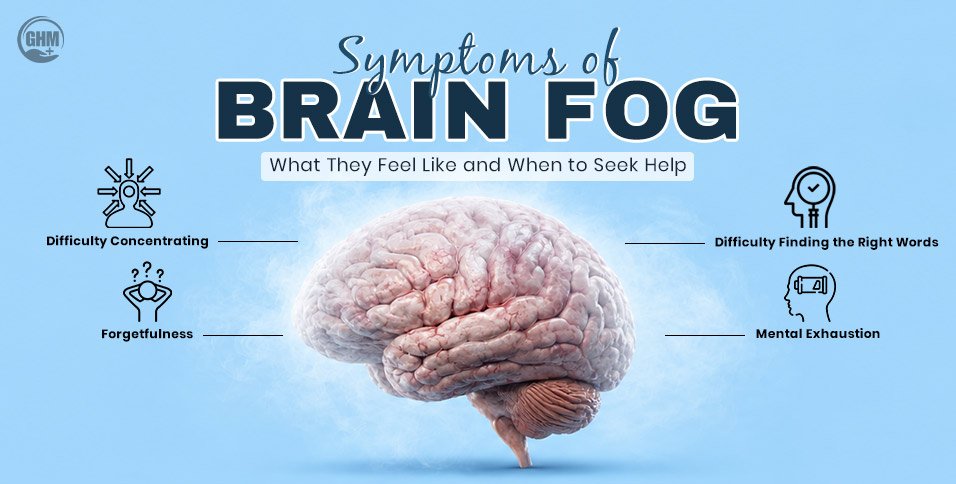
1. Difficulty Concentrating or Focusing
If you find it hard to maintain focus or stay with a single task, and familiar activities suddenly require a significant amount of extra mental effort, then these are signs of brain fog.
2. Trouble Paying Attention
While experiencing brain fog, following group conversations, listening closely to verbal instructions, or absorbing new details feels unusually challenging. You might miss important information or instructions because you become distracted much more easily.
3. Forgetfulness
If recent details, short-term plans, and everyday items seem to slip your mind with frustrating regularity, then these are the symptoms of brain fog. You might frequently misplace household objects, forget scheduled appointments, or overlook routine tasks that you usually handle with ease.
4. Losing Your Train of Thought
If you suddenly forget what you were saying right in the middle of a sentence, then it is a sign of brain fog. Losing track during conversations or forgetting the immediate next step of a task happens frequently.
5. Difficulty Finding the Right Words
While experiencing brain fog, you know exactly what you want to express, but you struggle to retrieve the right word. This leads to noticeable pauses during conversations and makes expressing your thoughts smoothly difficult.
6. Confusion
Your mind may feel perpetually unclear, making it exceptionally difficult to process incoming information. Trying to make sense of complex instructions, professional discussions, or multi-step directions can leave you feeling disoriented and mentally blocked. These are the symptoms of brain fog.
7. Slower Thinking and Processing
With brain fog, information takes significantly longer to register and interpret. You may require extra time to weigh options and make basic decisions, while familiar, routine mental exercises suddenly feel sluggish and burdensome.
8. Mental Fatigue or Exhaustion
You feel mentally drained, and ordinary cognitive tasks quickly become tiring. This mental exhaustion often occurs even when the task itself is not physically demanding.
The Causes of Brain Fog Symptoms
Understanding the triggers of brain fog helps clarify why your mind feels clouded.
1. Lifestyle
Lifestyle factors are among the most frequent causes of brain fog. A lack of quality sleep, high psychological stress, poor nutrition, dehydration, and excessive screen time can quickly trigger mental fatigue, leading to brain fog.
2. Health Conditions
Several underlying health issues are heavily linked to cognitive slowing. Reasons behind brain fog include anxiety, depression, diabetes, and low blood sugar. Autoimmune conditions like lupus and multiple sclerosis, ADHD, autism spectrum disorder, migraines, and thyroid problems can also cause brain fog.
3. Hormonal and Post-Illness Changes
Significant life transitions and illnesses often spark mental cloudiness. Hormonal shifts during pregnancy or menopause can be behind the brain fog. Additionally, post-viral illnesses like long COVID are a common cause of brain fog.
4. Medications and Treatments
Certain prescription drugs can cause cognitive side effects leading to brain fog. Additionally, chemotherapy is widely associated with cognitive changes often called “chemo brain”.
How Long Can Brain Fog Symptoms Last?
There is no single duration for cognitive cloudiness. Symptoms of brain fog may last for just a few days or weeks. However, some cases persist much longer, lasting for months or even years depending on what is contributing to the issue. Persistent brain fog symptoms should always be evaluated, particularly when they begin to affect your overall quality of life.
When Should You See a Doctor About Brain Fog?
Knowing when to seek a professional medical evaluation ensures you rule out underlying health concerns.
Make an Appointment If:
- Brain fog symptoms persist or repeatedly return over several weeks.
- Brain fog actively interferes with your work, school, or daily activities.
- Ordinary tasks become overly difficult to complete.
- Your cognitive symptoms are actively worsening.
- The fog follows a major illness, injury, or recent medication change.
Seek Urgent Medical Attention If:
Brain fog occurs alongside sudden or severe neurological changes, such as sudden confusion, disorientation, trouble speaking, vision changes, one-sided weakness, numbness, or a severe, unusual headache.
What Can Help Manage Brain Fog?
While there is no single treatment for brain fog, practical lifestyle adjustments can help clear the haze. Management depends heavily on identifying the underlying cause.
- Improve sleep habits to ensure you get consistent, restorative rest.
- Eat regular, nutritious meals and stay properly hydrated throughout the day.
- Maintain regular physical activity to boost overall alertness.
- Manage daily stress through relaxation or proven nervous system regulation techniques.
- Take short mental breaks to prevent your brain from becoming overworked.
- Write down important information when memory is affected.
- Review possible medication-related side effects with a healthcare professional.
End Note
The symptoms of brain fog can significantly affect your everyday cognitive functioning, with symptoms that vary widely in severity and combination. While many possible factors contribute to the issue, persistent or disruptive signs deserve a thorough medical evaluation.
If you are looking to support your body’s natural balance while addressing cognitive fatigue, learning helpful stress-relieving practices can be a great place to start. Always remember that sudden, severe cognitive changes require prompt medical attention.
Sanskruti Jadhav
Frequently Asked Questions
- Can dehydration alone cause noticeable brain fog?
Yes, dehydration alone can cause noticeable brain fog. Because the human brain relies heavily on proper fluid balance, even mild dehydration can impair concentration, short-term memory, and overall mental agility.
- Can food sensitivities trigger cognitive fatigue?
Yes, sensitivities to certain foods or ingredients can cause systemic inflammation, which sometimes translates into feelings of mental sluggishness, fatigue, and poor concentration.