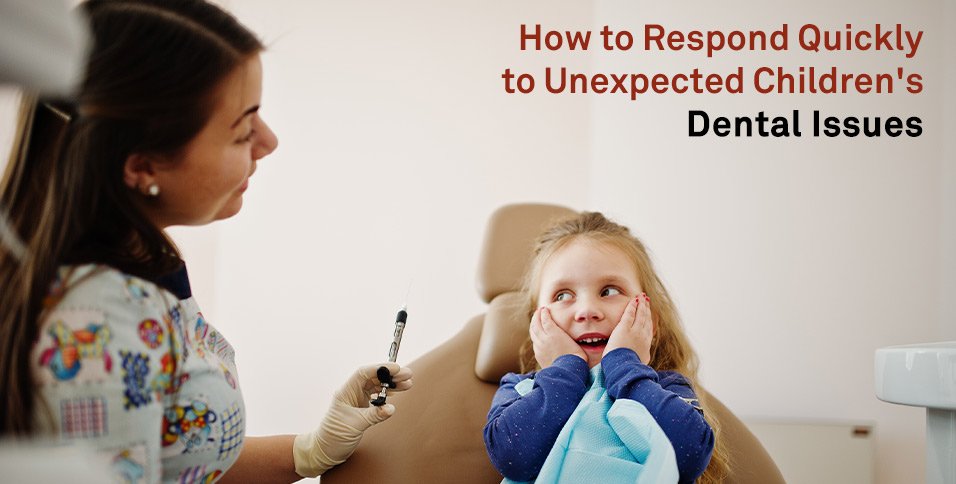
Has your child ever had a sudden toothache or a chipped tooth at home or at school? Tooth injuries are a common pediatric emergency, and quick action can save a tooth. This post will show simple first aid steps, pain relief tips, and when to call a dentist.
Read on for clear steps you can use now.
Understanding Common Dental Emergencies in Children
Dental problems can happen suddenly with kids. Common issues include toothaches, chipped teeth, and knocked-out teeth.
Toothache
A toothache can start suddenly and make your child cry. Parents should rinse the mouth with warm water to clear debris and ease discomfort. Use a cold pack on the cheek for 15 minutes to lower swelling and numb pain. Offer age-appropriate pain relief and call your dentist for emergency care if the pain stays severe.
Look for fever, bad breath, or a swollen face that could mean a dental abscess. Do not put aspirin on the gums or give any adult medication without checking with a doctor first. A pediatric dentistry visit can catch infection early and protect the tooth.
Next, check for chips or cracks and read the section on chipped or broken tooth.
Chipped or Broken Tooth
A chipped or broken tooth needs quick action. Gently rinse your child’s mouth with cool water. Rinsing can remove debris and reduce bacteria. Apply a cold pack outside the cheek to cut swelling.
Keep any tooth fragments and place them in milk or saline for preservation. Give age‑appropriate pain relief, such as acetaminophen, following the label. Avoid giving aspirin to children.
Call your dentist right away for emergency care. Pediatric dentistry can often bond or crown a broken tooth. Bring the child and the saved fragments to the appointment. If the break exposes the pulp or causes heavy bleeding, seek urgent care within a few hours.
Use a soft diet until the dentist examines the injury. Consider a custom mouthguard to prevent future dental trauma.
Knocked-Out Tooth
Act fast after a knocked-out tooth. Pick up the tooth by the crown, not the root. Rinse off dirt with milk, saline, or clean water, but do not scrub the root. Preserve the tooth in milk or the child’s saliva if reinsertion is not possible.
Gently try to reinsert the tooth into the socket and have the child bite on a clean cloth to hold it. If you cannot put the tooth back, place it in milk and go to emergency dental care within 60 minutes.
Watch for swelling or fever, as these may point to a dental abscess next.
Dental Abscess
A dental abscess happens when a pocket of pus forms in the tooth or gums. It usually occurs due to an infection from untreated tooth decay or injury. The area may look swollen and red.
Your child could feel severe pain in the affected area.
This condition can lead to other problems if left untreated. Swelling might spread beyond the mouth, causing fever or difficulty swallowing. Quick action is vital for your child’s health, so contact a dentist right away for professional care and treatment options.
Next, we will discuss immediate actions to take during a dental emergency.
Immediate Actions to Take During a Dental Emergency
During a dental emergency, stay calm and comfort your child. Check for pain or swelling. Use a cold compress to help reduce swelling. Rinse their mouth gently with water if needed.
If there are tooth fragments, keep them safe. For more information on what to do next, continue reading.
Stay Calm and Reassure Your Child
Stay calm. Your child may feel scared or anxious during a dental emergency. Speak softly and reassure them that everything will be okay. Use simple words to explain what happened, so they can understand. A gentle voice helps ease their fear.
Hold your child close if they want comfort. Let them know you are there for them. This support makes a big difference in how they feel about the situation. Show confidence as you take care of their needs; it helps them trust you more during the pain or shock of a tooth injury.
Manage Pain and Swelling
In some cases, children may benefit from nose tape breathing techniques to help them remain calm during stressful dental emergencies.
Managing pain and swelling is key during a dental emergency. Quick actions can help your child feel better.
- Apply a cold compress to the area. This can reduce swelling and numb the pain. Keep it on for 15-20 minutes at a time.
- Give your child over-the-counter pain relief. Medications like ibuprofen or acetaminophen can ease discomfort. Make sure to follow the dosage instructions on the label.
- Encourage your child to rinse their mouth with warm saltwater. This helps clean the area and soothes inflamed gums. Use about half a teaspoon of salt in 8 ounces of water.
- Avoid giving hard or crunchy foods. Soft foods can prevent further injury and make eating easier.
- Keep your child’s head elevated while resting. This position helps decrease swelling and pain in the affected area.
- Monitor their condition closely, looking for any changes in symptoms. If pain or swelling worsens, act quickly to get professional help.
Preserve Tooth Fragments or Knocked-Out Teeth
Preserving tooth fragments or a knocked-out tooth is crucial during a dental emergency. It increases the chances of saving the tooth.
- Rinse the mouth gently with water to clean it. Avoid using strong mouthwash or swishing too hard, as this may cause more damage.
- If a tooth gets knocked out, find it right away. Hold it by the crown, not the root, to avoid damaging it.
- Rinse the knocked-out tooth in milk or saline solution if it’s dirty. Do not scrub or remove any tissue attached to the tooth.
- Place the tooth back into its socket if possible. Have your child bite down on a clean cloth to keep it in place.
- If you cannot reinsert the tooth, keep it moist. Place it in a glass of milk or saline solution; water is not ideal for storing teeth.
- Seek dental care quickly. The best chance of saving a knocked-out tooth is within 30 minutes to an hour after injury.
In cases of severe pain or noticeable injury, seeking specialized help for pediatric dental emergencies in Fullerton can ensure your child receives the care they need promptly.
When to Seek Professional Dental Care
Severe pain or swelling may mean your child needs urgent help. If there is too much bleeding or signs of infection, get to the dentist right away.
Severe Pain or Swelling
Severe pain or swelling in your child’s mouth can be serious. This often means there is an infection or injury that needs immediate care. Excessive bleeding may also happen with severe issues.
Pain relief is crucial for comfort, so use over-the-counter options as advised by a doctor.
Seek help from a dentist right away if your child shows these signs. Ignoring such symptoms can lead to more problems later on. Timely action helps keep their dental health safe and sound.
Excessive Bleeding
Excessive bleeding can be a serious issue for kids. If your child experiences heavy bleeding from the mouth, act quickly. Have them sit up and keep their head slightly forward. This position helps prevent blood from flowing down the throat.
Use a clean cloth or gauze to apply gentle pressure to the area that is bleeding. Hold it there for about 10 minutes without lifting it. If the bleeding does not stop after this time, seek emergency dental care right away.
Quick action can help ensure your child’s safety and health during these dental emergencies.
Signs of Infection
Infection can show up in different ways. Watch for swelling around the gum or tooth area. A child might have a fever or feel unwell. Pain that does not go away is another sign to look out for.
Bad breath or a bad taste in the mouth may also mean an infection.
Redness and tenderness in the gums are important signals too. If you see any of these signs, seek help from a dentist right away to ensure your child’s dental health stays strong.
Preventing Future Dental Emergencies
Use mouthguards for sports and play. Keep up with regular dental check-ups to catch problems early.
Encourage the Use of Mouthguards
Mouthguards protect children during sports and other activities. They help prevent tooth injuries, such as chips or breaks. Wearing a mouthguard can also reduce the risk of concussions.
Many schools and sports leagues require them for team games. Make sure your child wears one during practices and matches.
Choosing the right mouthguard is important. Look for one that fits well and feels comfortable. Custom-made options offer the best protection but are more expensive. Always check if the mouthguard meets safety standards before purchasing it.
Promoting safe habits now helps keep dental emergencies at bay later on. Regular dental check-ups support this effort by ensuring good oral health too.
Maintain Regular Dental Check-Ups
Frequent dental check-ups are essential for healthy teeth and gums. These visits help identify problems early. A dentist can detect issues like cavities or gum disease before they escalate.
They can also provide guidance on proper oral hygiene habits.
Check-ups should occur every six months. This routine helps maintain your child’s teeth strong and clean. It decreases the risk of emergencies caused by unmanaged dental issues. Good dental health contributes to fewer tooth injuries and reduced discomfort later on.
Regular visits enhance overall child safety and well-being.
Promote Daily Oral Hygiene
Daily oral hygiene keeps children’s teeth strong and healthy. Encourage kids to brush their teeth twice a day with fluoride toothpaste. This helps prevent tooth decay and cavities.
Flossing once a day is also important. It removes food particles from between the teeth.
Make brushing fun by using colorful toothbrushes or songs. Teach children to rinse their mouths after eating sugary snacks. Regular habits build a good routine for dental health. Good oral care can help avoid painful dental issues in the future, like toothaches or injuries.
Conclusion
Responding quickly to children’s dental issues is key. Stay calm and help your child feel safe. Act fast to manage pain and swelling. Know when to call a dentist for help. With good care and prevention, you can keep their smiles bright and healthy.