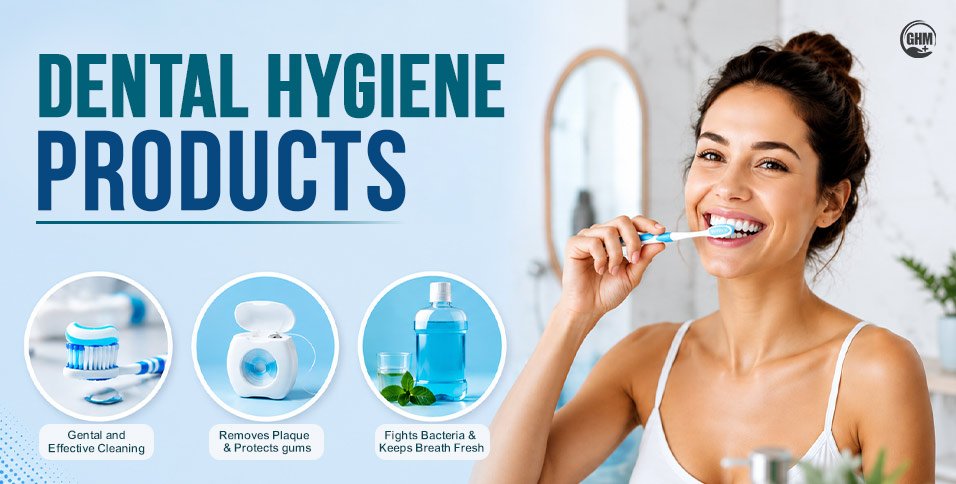
Brushing twice a day is one of the best habits for maintaining oral health, but it’s not always enough to prevent plaque buildup, cavities, or gum disease. Using the right dental hygiene products alongside proper brushing can significantly improve your daily oral care routine. It happens with everyone. Nearly half of adults aged 30 and older in the United States have some form of gum disease, and many people don’t realize it until a dental checkup.
The problem often isn’t poor brushing; it’s relying on an incomplete oral care routine. A toothbrush alone cannot effectively clean every surface of your teeth, especially between teeth, along the gumline, and on the tongue, where harmful bacteria commonly accumulate. That’s where the right dental hygiene products can make a noticeable difference. They improve plaque removal, protect enamel, support healthier gums, and reduce bad breath.
The best oral care routine isn’t the same for everyone. Factors such as age, tooth sensitivity, braces, dental restorations, and existing oral health conditions all influence which dental care products will work best for you. Since your oral health is closely linked to your overall well-being, choosing the right oral hygiene products is an important part of preventive healthcare.
In this guide, we’ll explore seven best dental hygiene products, explain their key features and benefits, and share practical tips to help you use each one effectively for a healthier, cleaner smile.
7 Essential Dental Hygiene Products for Daily Oral Care
These seven dental hygiene products form the core of a solid oral care routine, simple to build into your day.
1. Toothbrush
Your toothbrush is the foundation of every oral care routine, so it’s worth choosing carefully. Soft-bristled brushes are what dentists recommend, since stiff bristles can wear down enamel and irritate the gumline over time without cleaning any more effectively.
Manual and electric toothbrushes both work well when used correctly. Spend two full minutes brushing, twice a day, angling the brush toward the gumline. Electric brushes can make consistent technique easier if in a rush.
Whichever you use, replace your toothbrush every three to four months, or sooner if the bristles fray, since worn bristles remove noticeably less plaque.
2. Fluoride Toothpaste
Fluoride strengthens enamel and helps reverse early decay before it progresses into a cavity that needs a filling. That’s one reason almost every ADA-accepted toothpaste is fluoride-based.
Toothpaste today does not work the same for everyone. There are formulas for sensitivity, whitening, and gum protection. Whitening toothpaste can lift surface stains. Choose a fluoride toothpaste based on the biggest concern rather than whatever happens to be on sale.
3. Dental Floss
Flossing clears out plaque and trapped food from between teeth, the exact spots a toothbrush bristle can’t reach, and where cavities and gum disease often begin. Skipping floss means leaving a meaningful portion of each tooth’s surface uncleaned, no matter how thoroughly you brush.
Waxed floss glides more easily between tightly spaced teeth, while unwaxed floss offers a bit more control and a thinner profile. Either type of dental floss works well, but the real difference comes from flossing once a day, ideally before bed.
4. Mouthwash
Mouthwash does more than freshen breath. Fluoride rinses add an extra layer of cavity protection between brushings, while antibacterial formulas target the bacteria responsible for plaque buildup and gum inflammation. Deciding between the two mouthwash and fluoride dental hygiene products comes down to the main oral concern. Fluoride for enamel strength, or antibacterial for reducing bacteria.
If someone uses mouthwash daily and has a dry mouth or sensitive gums, an alcohol-free formula is the best option. Alcohol-based rinses can cause stinging and further dryness with regular use. Think of mouthwash as a supplement to brushing and flossing, not a stand-in for either one.
5. Tongue Scraper
A large share of the bacteria that cause bad breath live on the surface of your tongue, and a toothbrush alone typically only clears a fraction of that coating. A tongue scraper removes this bacterial film in just a few seconds each morning.
Used consistently alongside brushing, a tongue scraper can noticeably improve breath freshness within days, and it’s a small step that’s easy to build into an existing oral hygiene routine without adding much time.
6. Night Guard
The involuntary clenching or grinding of teeth, often during sleep, can lead to bruxism, which means waking up with a sore jaw, headaches, or visibly worn-down teeth. Estimates vary, but researchers put sleep bruxism’s prevalence at up to 31% of adults, making it far more common than most people realize.
A night guard creates a soft cushion between your upper and lower teeth, absorbing the grinding pressure so it doesn’t wear down enamel, crack teeth, or strain your jaw joint. Dentists can create a custom-fitted guard for a more comfortable, effective option than generic over-the-counter versions.
7. Sugar-Free Chewing Gum
Chewing sugar-free gum after meals stimulates saliva production, which naturally rinses away food particles and helps neutralize the acids that wear down enamel throughout the day. Chewing gums containing xylitol offers an added benefit, since xylitol interferes with the bacteria most responsible for cavities.
Sugar-free chewing gum is a simple habit that protects your teeth in moments when brushing isn’t an option, like after lunch at work.
Tips to Get Healthy Teeth From The Dental Hygiene Products
Owning the right oral hygiene products only helps if you use them consistently and correctly. Keep these oral hygiene habits in mind:
- Brush twice daily for two full minutes using a soft-bristled brush and fluoride toothpaste.
- Floss once a day to clean between teeth where brushing can’t reach.
- Clean your tongue each morning to reduce bacteria and freshen breath.
- Replace your toothbrush every three to four months, or sooner if bristles fray.
- Keep up with regular dental appointments, ideally every six months, so small issues get caught early.
- There’s no strict “correct” order for brushing, flossing, and rinsing; what matters most is doing all three, every day.
End Note
Good oral health rarely comes down to one dental care product. It’s the combination of a soft-bristled toothbrush, fluoride toothpaste, floss, and a few supporting dental cleaning tools, used consistently, day after day. Owning ten different oral hygiene items won’t matter much if they sit unused in a drawer. Using them in your everyday routine is what actually protects your teeth and gums.
If you’re unsure which dental hygiene products for oral health suit you best, a dentist can tailor recommendations to your specific needs, from sensitivity to gum health to teeth grinding, so your routine works as hard as you do.
Take care of your oral health. A healthy and happy smile makes a lot of difference.
Frequently Asked Questions
- What is the golden rule for oral hygiene?
The golden rule of oral hygiene is brushing the teeth twice a day, daily flossing, maintaining a healthy diet, and visiting the dentist for regular check-ups.
- What are signs of poor oral hygiene?
The signs of poor oral hygiene include persistent bad breath, bleeding or swollen gums, tooth sensitivity, and visible plaque or tartar buildup.