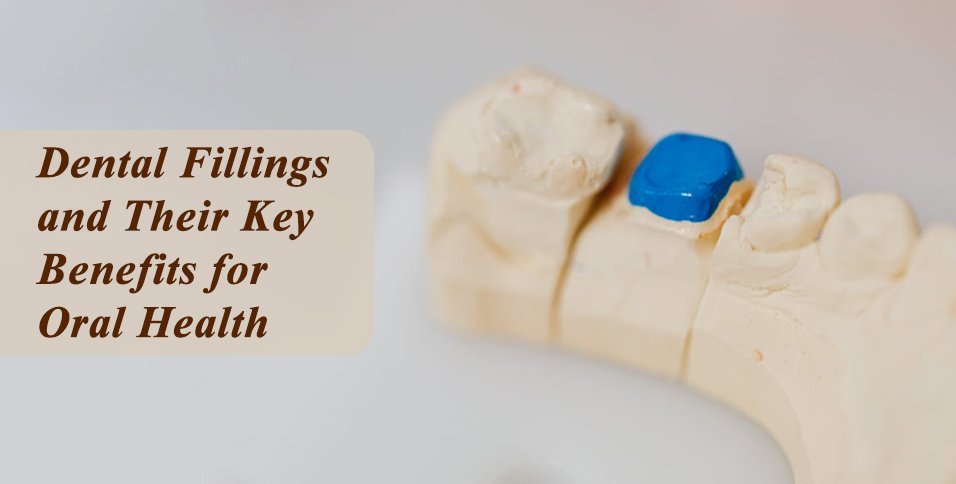
According to the CDC’s 2024 oral health surveillance data, nearly 57% of adolescents aged 12-19 have experienced tooth decay in their permanent teeth — yet most of these cases are caught early enough for simple fillings to restore full function. As dental technology advances and new filling materials offer improved durability and aesthetics, the gap between temporary fixes and long-term oral health solutions continues to narrow.
For millions of people dealing with cavities, the decision about treatment timing and material choice has real consequences that extend far beyond the dental chair. Modern fillings don’t just patch holes — they halt decay progression, restore structural integrity, and can last decades when properly maintained. Understanding how different materials work and what the procedure actually accomplishes helps patients make informed decisions during those critical early stages of tooth decay.
How Dental Fillings Restore Tooth Function and Prevent Decay
When bacteria breach your tooth’s enamel and create a cavity, they establish a foothold that grows progressively deeper without intervention. The decay process operates like a slow-motion demolition — acid-producing bacteria consume the mineral structure of your tooth, creating tiny tunnels that expand into larger cavities. Left untreated, this bacterial invasion eventually reaches the inner pulp, causing severe pain and potentially requiring root canal therapy or extraction.
Dental fillings halt this progression by physically removing the infected tooth material and sealing the space with biocompatible materials. Think of it as controlled demolition followed by reconstruction — your dentist removes all compromised tissue, then fills the void with materials engineered to bond directly to healthy tooth structure. This process eliminates the bacterial colony and prevents reinfection of that area.
The restoration goes beyond simply plugging a hole. Fillings redistribute chewing forces across the tooth’s surface, preventing stress fractures that could occur around the cavity edges. When you bite down on a tooth with an untreated cavity, the remaining enamel bears uneven pressure that can cause chips or cracks. A properly placed filling recreates the tooth’s original contours, allowing normal function and protecting the remaining natural structure.
Modern filling materials also create a chemical barrier against future decay. Fluoride-releasing glass ionomer fillings continue protecting the surrounding tooth structure long after placement, while composite resins form microscopic mechanical bonds with enamel that bacteria cannot penetrate. This sealing effect is particularly crucial for teeth with deep grooves or hard-to-reach surfaces where plaque accumulation poses ongoing risks.
Types and Materials of Dental Fillings Compared
The landscape of dental filling materials has evolved dramatically over the past two decades, with each option offering distinct advantages depending on the tooth location, cavity size, and patient priorities. Amalgam fillings, composed of mercury, silver, tin, and copper alloys, remain the gold standard for durability in back teeth, often lasting 15-20 years under heavy chewing pressure. Their metallic appearance limits use in visible areas, but their proven track record makes them ideal for large restorations in molars.
Composite resin fillings have transformed cosmetic dentistry by matching natural tooth color while providing excellent bonding strength. These tooth-colored materials work particularly well for front teeth and smaller cavities, though they typically require replacement every 7-10 years. The layered application process allows dentists to recreate natural tooth translucency and shading, making repairs virtually invisible.
Beyond these common options, ceramic fillings offer the ultimate combination of aesthetics and longevity, often lasting 15-20 years while maintaining their appearance. However, they require laboratory fabrication, increasing treatment time and cost. Gold fillings, while expensive and conspicuous, can last 20-30 years and cause minimal wear to opposing teeth, making them valuable for specific situations where longevity outweighs appearance concerns.
Glass ionomer fillings occupy a unique niche, particularly valuable for root surface cavities and pediatric dentistry. These materials release fluoride continuously, providing ongoing protection against secondary decay. While not as durable as other options, typically lasting 5-7 years, their therapeutic benefits make them ideal for patients with high cavity risk or when considering restorative dental options that prioritize prevention alongside repair.
Benefits of Composite and Amalgam Fillings
The choice between composite and amalgam fillings often comes down to balancing aesthetics, durability, and cost considerations for each specific situation. Composite fillings excel in preserving tooth structure because they bond chemically to enamel and dentin, allowing dentists to remove only the decayed material without creating additional space for mechanical retention. This conservative approach maintains more natural tooth strength and reduces the risk of future fractures.
Amalgam fillings require more aggressive tooth preparation, creating undercuts and retention grooves that provide mechanical stability. While this removes more healthy tooth structure initially, the resulting restoration can withstand enormous chewing forces — up to 200 pounds per square inch in some cases. For large cavities in back teeth, this durability advantage often outweighs the additional tooth removal required.
Cost considerations favor amalgam for large restorations, with treatment typically costing 20-30% less than comparable composite work. However, composite fillings often prove more economical for small cavities due to their tooth-sparing properties and reduced need for future crown protection. The longevity difference narrows considerably for smaller restorations, where both materials can achieve excellent service life with proper care.
Dental Filling Procedure and How Fillings Adhere to Teeth
The modern filling procedure follows a precise sequence designed to eliminate all infected material while preserving maximum healthy tooth structure. After achieving adequate anesthesia, your dentist uses specialized instruments to access the cavity and remove all softened, discolored tooth material. This excavation process requires careful judgment — remove too little and bacteria remain; remove too much and the tooth weakens unnecessarily.
Surface preparation is critical for lasting adhesion. The cavity walls receive specific chemical treatments that create microscopic mechanical retention and chemical bonding sites. For composite fillings, acid etching creates tiny pores in the enamel surface, while primer solutions penetrate the dentin tubules. This multi-step bonding process creates retention strength that often exceeds the original tooth material.
The filling placement technique varies significantly between materials. Composite resins require moisture control and are placed in layers, with each increment light-cured for 20-40 seconds to achieve complete polymerization. This controlled curing process minimizes shrinkage stress that could create gaps or sensitivity. Amalgam placement involves different considerations — the material must be condensed under pressure to eliminate voids and achieve proper adaptation to cavity walls.
Steps in the Dental Filling Procedure
Modern anesthesia techniques ensure patient comfort throughout the procedure, typically using lidocaine with epinephrine for effective numbing that lasts 2-3 hours. Once adequate anesthesia is confirmed, cavity preparation begins with high-speed instruments that efficiently remove decay while preserving healthy tissue through selective cutting techniques.
Isolation methods protect the treatment area from saliva contamination, which is crucial for bonding success. Rubber dam placement or cotton roll isolation creates the dry environment necessary for optimal material adhesion. This step is particularly critical for composite fillings, where even minimal moisture can compromise the bond strength and lead to early failure.
The restoration process concludes with careful shaping and polishing to recreate natural tooth contours and eliminate rough surfaces where plaque could accumulate. Bite adjustment ensures the new filling doesn’t create premature contact that could cause discomfort or damage to the restoration. This final step often determines long-term success — even minor high spots can cause sensitivity, fractures, or opposing tooth wear over time.
Long-Term Benefits and Maintenance of Dental Fillings
Well-placed dental fillings provide benefits that extend far beyond the initial problem resolution, fundamentally changing how the restored tooth functions and feels. Pain elimination occurs immediately as the procedure removes infected nerve endings and seals the tooth against thermal sensitivity. Many patients report that previously sensitive teeth become comfortable again within days of treatment, as the filling blocks external stimuli from reaching the inner tooth layers.
Chewing efficiency improves dramatically once the structural integrity is restored. Consider someone who has been avoiding their favorite foods due to a painful cavity — within a week of treatment, they can return to normal eating patterns without discomfort or fear of worsening the problem. This functional restoration has nutritional implications, particularly for older adults whose dietary choices may be limited by dental discomfort.
The protective benefits compound over time as fillings prevent secondary decay around the treated area. Properly sealed margins block bacterial infiltration that could cause recurrent cavities, while the restored tooth contours facilitate better cleaning and plaque removal. This protection is especially valuable for back teeth with complex anatomy where toothbrush bristles struggle to reach all surfaces effectively.
Maintenance requirements are straightforward but essential for maximizing filling longevity. Regular dental examinations every six months allow early detection of wear, marginal gaps, or secondary decay before problems become symptomatic. Home care focuses on consistent brushing and flossing techniques that remove plaque from restoration margins — the junction between filling material and natural tooth where problems most commonly develop.
Dietary considerations can significantly impact filling lifespan. Avoiding extremely hard foods like ice, unpopped kernels, and hard candies prevents sudden fractures, while limiting sticky foods reduces the risk of pulling out newer restorations before they fully set. These precautions are particularly important during the first 24-48 hours after placement when materials reach their final strength properties.
Common Misconceptions and Risks of Dental Fillings
Several persistent myths about dental fillings create unnecessary anxiety and sometimes lead to treatment delays that worsen outcomes. The most common misconception centers on amalgam safety concerns, despite extensive research by the FDA and World Health Organization confirming that mercury levels from dental amalgam pose no health risks to the general population. The form of mercury in amalgam is chemically bound and differs significantly from environmental mercury exposure that raises legitimate health concerns.
Another widespread belief suggests that drilling weakens teeth unnecessarily, leading some patients to prefer “natural” approaches that don’t exist for treating active decay. In reality, bacteria-softened tooth material has lost its structural integrity and will continue deteriorating until physically removed. The alternative to early filling treatment is typically more extensive procedures like crowns, root canals, or extractions that require removing far more healthy tooth structure.
Sensitivity after filling placement is normal and expected, particularly for deeper cavities where the restoration comes close to the tooth’s nerve. This discomfort typically resolves within 2-4 weeks as the nerve adapts to the new restoration. Persistent or worsening sensitivity may indicate complications like incomplete decay removal or bite interference requiring adjustment.
Legitimate risks include restoration failure over time, which occurs in approximately 5-10% of fillings within the first five years according to dental research. Most failures result from secondary decay around restoration margins or fractures due to excessive forces. Regular dental monitoring and proper oral hygiene significantly reduce these risks, while prompt attention to symptoms like sensitivity or rough edges prevents minor problems from requiring complete restoration replacement.
The key to successful outcomes lies in realistic expectations and proactive maintenance rather than avoiding treatment due to misconceptions. Modern filling materials and techniques provide predictable, long-lasting solutions when patients understand their role in the process and commit to ongoing preventive care.