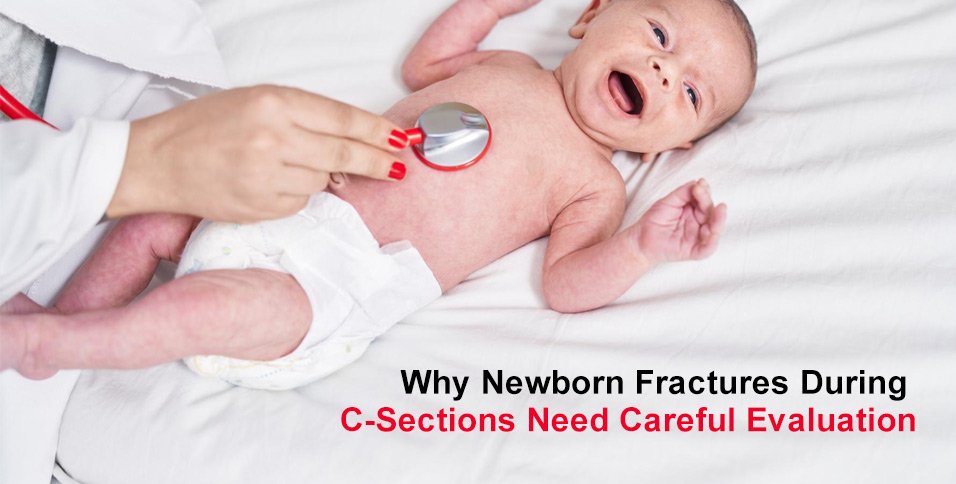
Cesarean sections are performed to deliver babies through surgical incisions in the mother’s abdomen and uterus. Although this procedure can reduce certain risks associated with childbirth, it does not eliminate the possibility of birth injuries. During delivery, newborns may experience fractures involving the collarbone, upper arm, or thighbone. These injuries require medical evaluation to determine their severity, identify possible complications, and establish appropriate treatment.
For families, discovering that a newborn suffered a fracture during a C-section can raise difficult questions about the delivery process. Some fractures occur despite appropriate medical care, while others warrant closer examination of the decisions and techniques used during surgery. Parents concerned about preventable harm may consult a trusted lawyer for cesarean section injuries in Charleston, WV, to understand how medical records and professional standards affect potential claims. A careful evaluation helps distinguish recognized delivery complications from injuries involving possible medical negligence.
Why Fractures Can Occur During Cesarean Delivery
A C-section involves delivering the baby through an opening in the uterus. Depending on fetal position and available space, extracting the baby may require careful manipulation.
Certain circumstances can make delivery more challenging. These include unusual fetal positioning, limited room for extraction, and complications that require urgent delivery.
The American Academy of Pediatrics recognizes that birth-related injuries can occur even when healthcare professionals exercise appropriate caution.
Fractures may affect different bones, including the clavicle, humerus, and femur. The circumstances surrounding each injury matter because the location and fracture pattern alone do not establish whether an error occurred.
Medical professionals evaluating these injuries examine the delivery history, physical findings, and other relevant information to understand the likely mechanism.
Early Warning Signs That Require Medical Attention
Newborns cannot explain pain or identify where an injury occurred. Consequently, healthcare professionals rely on physical examinations and observable behavior to recognize potential fractures.
According to NHS neonatal guidance, babies with upper-limb fractures may experience discomfort during movement or temporarily avoid moving the affected arm.
Potential warning signs include:
- Reduced movement of one arm or leg
- Swelling or tenderness around an injured area
- Crying or distress when an affected limb moves
- Unusual positioning of an arm or leg
- Changes in normal limb movement during examination
- A noticeable lump near the collarbone as healing progresses
These findings require appropriate assessment rather than assumptions about their cause.
A newborn showing unexplained pain or limited movement needs prompt medical attention. Early recognition helps healthcare professionals determine whether imaging, pain management, or specialist evaluation is necessary.
How Doctors Identify the Type and Extent of a Fracture
Diagnosing a suspected newborn fracture begins with a physical examination. Clinicians assess limb movement, tenderness, swelling, and other findings that may indicate bone injury.
When examination findings suggest a fracture, an X-ray may help confirm the diagnosis. NHS newborn examination guidance recommends clavicle imaging when clinical findings raise concerns about a fracture.
The evaluation also considers whether nearby nerves or other tissues have been affected. Limited arm movement can result from fracture-related pain, but clinicians may need to distinguish this from neurological injury.
Different fractures require different management approaches. A collarbone fracture may need supportive care, while a long-bone fracture requires assessment of alignment and stability.
Documenting these findings provides a foundation for treatment decisions and follow-up examinations.
Why the Circumstances of Delivery Matter
Understanding how a fracture occurred requires examining the entire delivery process rather than focusing exclusively on the injury.
Medical reviewers may consider the reason for the C-section, fetal positioning, operative findings, and any difficulties encountered during extraction.
Relevant records may include:
- Prenatal assessments and fetal positioning information
- Documentation explaining the decision to perform a C-section
- Operative notes describing delivery techniques
- Records of complications encountered during extraction
- Newborn examination findings
- Imaging reports and subsequent treatment documentation
These materials help establish a timeline of events and the medical circumstances surrounding delivery.
A difficult extraction does not automatically establish negligence. Similarly, an injury identified after an apparently routine procedure deserves appropriate examination when its cause remains unexplained.
The Importance of Monitoring Healing and Limb Function
Many newborn fractures heal well with appropriate treatment. NHS guidance explains that newborn clavicle and upper-arm fractures generally heal quickly, although recovery and follow-up requirements depend on the injury.
Care may involve supporting the affected limb, reducing painful movements, and providing medication when prescribed by a clinician.
Parents also need guidance about safe handling, dressing, and bathing during recovery. Instructions must reflect the specific fracture and the baby’s medical condition.
Follow-up examinations help determine whether healing is progressing and whether normal limb movement returns.
Persistent discomfort, unusual movement, or other concerning symptoms warrant reassessment. Monitoring allows clinicians to recognize complications rather than assuming that every newborn fracture will resolve without additional care.
When a Fracture Raises Questions About Medical Negligence
A fracture sustained during cesarean delivery does not automatically mean that a healthcare professional violated accepted standards.
Some birth injuries are recognized complications that occur despite appropriate treatment. Establishing negligence requires examining what healthcare providers knew, which actions they took, and whether those actions met applicable professional standards.
Under West Virginia Code § 55-7B-3, medical professional liability generally requires proof that a healthcare provider failed to exercise the required standard of care and that the failure proximately caused injury.
Medical experts may evaluate operative records, delivery circumstances, and subsequent treatment to determine whether an avoidable error contributed to the fracture.
West Virginia Code § 55-7B-6 also establishes prefiling requirements for medical professional liability actions, including notice of claim and, generally, a screening certificate of merit.
Understanding these requirements helps families distinguish unexpected medical outcomes from potentially actionable negligence.
Giving Newborns the Care and Answers They Deserve
A newborn fracture during a C-section deserves thoughtful medical evaluation, even when the injury is expected to heal successfully. Identifying the affected bone, understanding delivery circumstances, and monitoring recovery help protect the baby’s health and provide families with clearer answers.
Parents can support this process by asking questions, following treatment instructions, and retaining relevant medical documentation.
When concerns about preventable harm remain, examining the medical evidence and applicable professional standards can help determine whether further investigation is warranted. The central priority remains ensuring that the newborn receives appropriate care and the best possible opportunity for recovery.