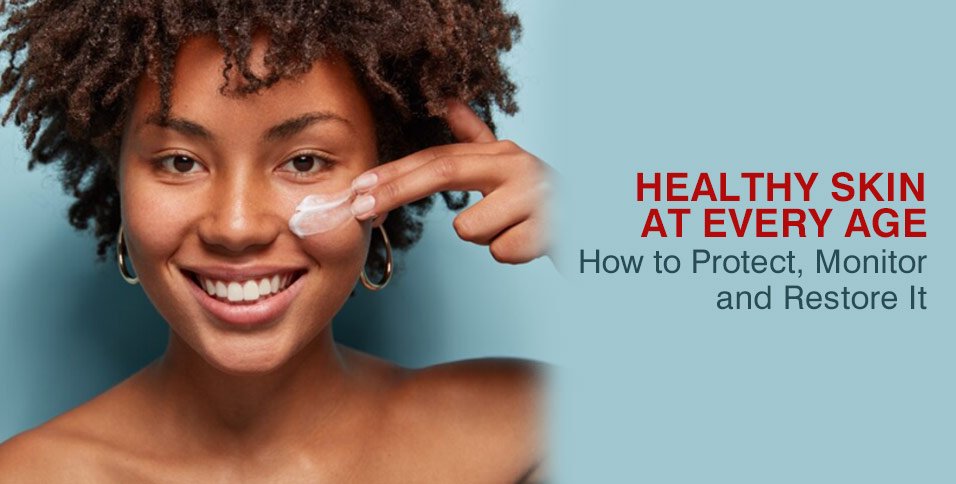
Your skin is the largest organ you have, and it works hard every single day. It shields you from UV light, regulates temperature and keeps out everything the environment throws at it.
Looking after it well is not complicated, but it does ask for a little strategy. The healthiest skin usually comes down to three habits working together: protecting it, watching it closely and helping it recover.
Get those three right and you cover the things that matter most, from lowering cancer risk to keeping skin comfortable and resilient as the years pass. Here is how each piece fits.
Key Takeaways
- Daily sun protection is the single most effective thing you can do for long-term skin health, lowering both skin cancer risk and premature aging.
- Broad-spectrum SPF 30 or higher, reapplied every two hours outdoors, is the standard most skin experts recommend.
- Learning your own skin and noticing change early matters, and tools like mole mapping make it easier to track moles over time.
- Ingredients such as niacinamide, hyaluronic acid, peptides and antioxidants have real support behind them for hydration and visible aging.
- Good products work alongside sun protection and professional skin checks, not instead of them.
Your Skin Needs Both Protection and Care
It helps to think of skin health as defense and recovery happening at the same time. Defense keeps damage from building up, while recovery supports the skin you already have.
Neither one does the whole job alone. You can use the best serum in the world and still age your skin quickly without sun protection, and you can protect carefully yet still benefit from ingredients that hydrate and strengthen.
The good news is that a simple routine can cover both, and it does not need a shelf full of products to be effective.
Start With Daily Protection and Gentle Care
Sun protection is the foundation, full stop. UV radiation is the leading contributor to skin cancer and to premature aging, because it breaks down the collagen and elastin that keep skin firm.
Most dermatology bodies recommend a broad-spectrum sunscreen of SPF 30 or higher, applied generously and reapplied every two hours when you are outside. Shade, hats and protective clothing add another layer, especially in the middle of the day when UV is strongest.
Beyond protection, gentle cleansing and the occasional well-chosen exfoliant keep skin clear and support natural cell turnover. If you want to understand which exfoliating ingredients do what, this guide to skincare acids is a useful primer before you start layering anything new.
The aim is consistency, not intensity. A steady, sensible routine beats an aggressive one your skin cannot tolerate.
Cumulative exposure is what does the damage, so everyday incidental sun counts just as much as a long day at the beach. That is why daily protection is worth the habit even when you are not planning to be outdoors for long.
Pay Attention to Changes
Protection lowers your risk, but it never removes it entirely, which is why noticing change early is so important. Skin cancer is the most common cancer worldwide, and when melanoma is caught early its outlook is very good.
A simple way to self-check is the ABCDE rule. Watch for Asymmetry, irregular Borders, uneven Color, a Diameter larger than a pencil eraser and any spot that is Evolving in size, shape or color.
Most spots you find will be completely harmless, so the goal is not to panic over every freckle. It is to learn what is normal for your skin, so that anything genuinely new or different stands out and gets looked at sooner rather than later.
Self-checks are a start, not a substitute for a professional eye. A trained clinician can assess spots with dermoscopy and advise whether anything needs closer attention or a biopsy.
A practical rhythm is to look over your own skin every month or two, in good light, using a mirror or a partner for hard to see areas like your back and scalp. Pay closer attention if you have fair skin, a family history of skin cancer, or years of accumulated sun exposure, since those factors raise your baseline risk.
For people with many moles, fair skin or a history of sun exposure, tracking moles over time is especially valuable. Services like mole mapping sydney use digital imaging to document moles and compare them at later visits, so subtle changes are far easier to catch. It turns a once-a-year glance into a real record you can measure against.
If a spot worries you between visits, do not wait for a scheduled appointment. Rapidly changing or bleeding lesions are worth a prompt call to your clinic.
It also helps to know what a thorough check involves so it feels less daunting. A clinician examines your skin in a systematic way, uses a dermatoscope to look beneath the surface of individual spots, and documents anything that should be monitored or sampled. Most visits end with simple reassurance and a clear plan for when to return.
Support Your Skin as It Ages
Once protection and monitoring are handled, the third habit is helping your skin stay resilient. This is where targeted skincare earns its place, as long as expectations stay realistic.
It is worth being clear-eyed about what topical products can and cannot do. Used well, they hydrate, smooth and help protect the skin, and over time they can soften the look of fine lines and uneven tone. What they cannot do is reverse deep structural change on their own, which is why they work best as one part of the bigger picture rather than a miracle fix.
A few actives have genuine evidence behind them. Niacinamide supports the skin barrier and tone, hyaluronic acid draws in and holds moisture, antioxidants help defend against daily environmental stress, and peptides are used to support the skin’s structural proteins.
Layering them sensibly matters more than chasing every new launch. A barrier-supporting base of hydration and antioxidants, used consistently, tends to deliver more visible benefit than an overloaded routine that leaves skin irritated.
You will often find these combined in a single serum so they can work together. A multi-action formula like the youth restoration serum, for example, layers peptides, hyaluronic acid, niacinamide and antioxidants to target firmness, hydration and the look of fine lines in one step.
Application is straightforward. A thin layer pressed gently into clean skin, morning and night under your moisturizer, is usually all a serum needs to do its work.
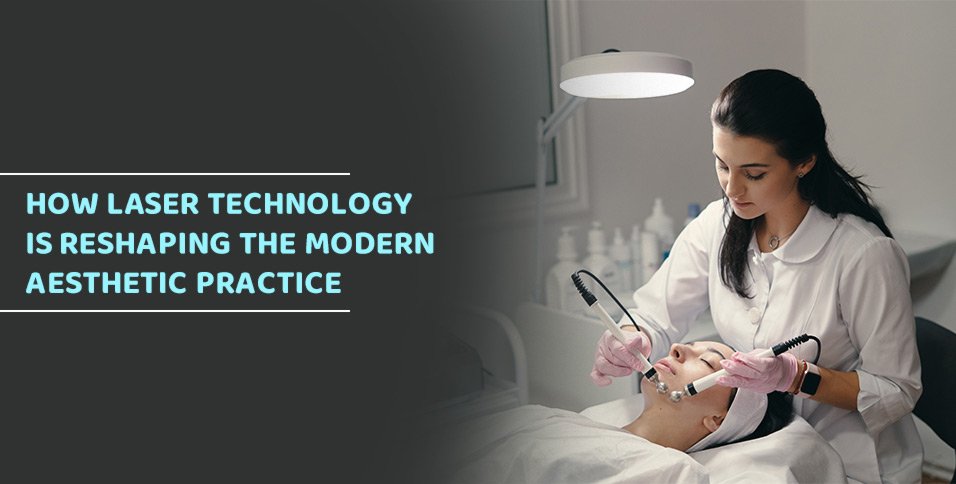
Serums also tend to complement in-clinic treatments such as peels, micro-needling or laser, supporting the skin while it recovers. They are a helpful addition to a routine rather than a replacement for the basics.
Putting It All Together
A complete approach to skin health is more achievable than it sounds. Protect daily, watch for change and support your skin with a few well-chosen products, and you have covered the essentials.
Think of it as a long game. The habits that protect your skin from cancer are the same ones that keep it looking healthy, so the effort pays off twice.
Start small, stay consistent, and lean on professionals when something needs a closer look. Your future skin will thank you for it.
Frequently Asked Questions
How often should I get a professional skin check?
Many people benefit from a yearly skin check, and more often if you have higher risk factors such as fair skin, many moles or past skin cancers. See a clinician sooner if you notice a new or changing spot.
What is mole mapping and who is it for?
Mole mapping uses digital imaging to document your moles so they can be compared over time. It is especially useful for people with numerous moles or a higher risk profile, since it makes subtle changes easier to detect.
Which skincare ingredients actually help aging skin?
Sun protection comes first, then ingredients like niacinamide, hyaluronic acid, antioxidants and peptides have solid support for hydration, barrier health and the appearance of fine lines. Retinoids are another well-studied option worth discussing with a professional.
Can skincare products replace sunscreen or skin checks?
No. Serums and treatments support your skin, but they do not protect against UV damage or detect disease. Daily sunscreen and regular professional checks remain the foundation of healthy skin.