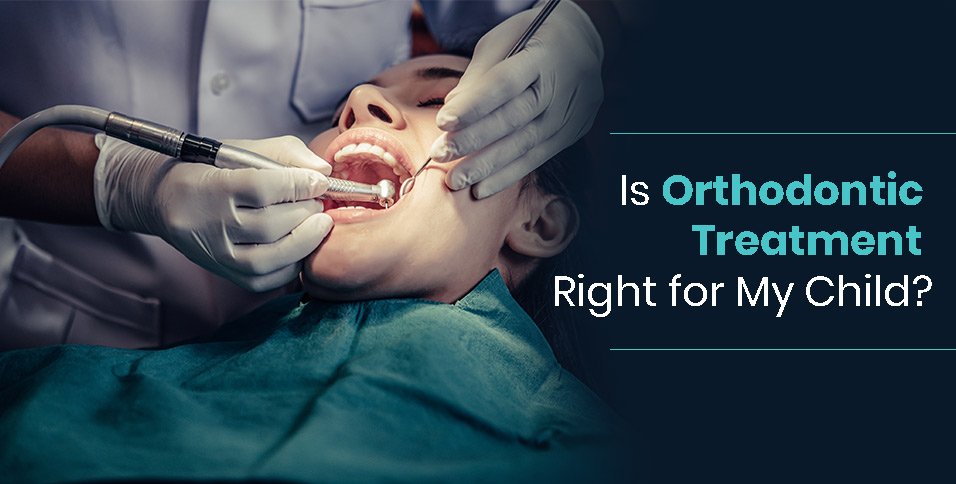
According to the American Association of Orthodontists’ 2024 guidelines, children should receive their first orthodontic evaluation by age seven — yet many parents wait until crooked teeth become obvious, missing a crucial window when jaw development can be guided most effectively. As pediatric orthodontics evolves toward early intervention strategies, the difference between addressing alignment issues during active growth versus waiting until adolescence can dramatically impact both treatment complexity and long-term outcomes. For families navigating this decision, understanding the signs that indicate treatment may be beneficial, along with the practical realities of managing braces during childhood, shapes not just dental health but a child’s overall development and confidence during formative years.
Signs Your Child Needs Braces and When to Start
Most parents focus on crooked teeth when considering orthodontic treatment, but orthodontists evaluate far more subtle indicators during those critical early years. Bite irregularities often develop long before permanent teeth appear — a child who consistently breathes through their mouth, has difficulty chewing certain foods, or shows signs of jaw asymmetry may benefit from early evaluation even with a full set of baby teeth.
The American Association of Orthodontists recommends that first assessment at age seven because it coincides with the emergence of permanent molars and incisors, creating a mixed dentition that reveals how the adult bite pattern will develop. During this phase, orthodontists can identify space management issues — situations where baby teeth are lost prematurely or permanent teeth erupt in problematic positions that will create crowding later.
Early warning signs extend beyond obvious alignment problems. Children who grind their teeth at night, have speech difficulties that persist beyond typical developmental phases, or show facial asymmetry may have underlying bite issues that early intervention can address. Similarly, habits like thumb sucking beyond age four or tongue thrusting can alter jaw development in ways that become more difficult to correct once growth patterns are established.
Timing considerations vary significantly based on the specific issue. Some problems, like severe crossbites or significant spacing issues, respond best to treatment during the mixed dentition phase when the jaw is still actively growing. Others, particularly crowding concerns, may benefit from a two-phase approach where initial treatment guides jaw development, followed by comprehensive treatment once all permanent teeth have erupted.
How Braces Work and Types Available for Kids
Orthodontic treatment fundamentally works by applying controlled, continuous pressure to teeth, which stimulates the surrounding bone to remodel and allows teeth to move into better positions. This biological process, called bone remodeling, occurs more readily in children than adults because their bone tissue is less dense and more responsive to the forces applied by orthodontic appliances.
The mechanics involve brackets bonded to teeth and connected by wires that create a system of gentle, consistent pressure. As the wire tries to return to its original shape, it moves the teeth along a predetermined path. Modern orthodontics uses shape-memory alloys and computer-assisted treatment planning to make this process more predictable and efficient than traditional methods.
Metal and Ceramic Braces for Kids
Traditional metal braces remain the most common choice for children, offering durability that withstands the everyday challenges of childhood eating habits and activity levels. These systems use stainless steel brackets and wires that can handle significant force without breaking, making them particularly suitable for children who play contact sports or have difficulty remembering to be careful with their appliances.
Ceramic braces provide a compromise between effectiveness and aesthetics, using tooth-colored or clear brackets that blend with natural teeth. While more fragile than metal alternatives, they offer psychological benefits for self-conscious children, particularly those in middle school years when peer perception becomes increasingly important. The treatment mechanics remain identical to metal braces, but parents should expect slightly higher maintenance requirements due to the material properties.
Clear Aligners and Lingual Braces for Children
Clear aligners designed for children incorporate compliance monitoring technology that tracks wear time — a crucial feature since treatment success depends entirely on consistent use. These systems work well for motivated children with less complex alignment issues, but require significant maturity and parental oversight to ensure the recommended 22 hours of daily wear.
Lingual braces, which attach to the back surfaces of teeth, offer complete invisibility but present unique challenges for children. The tongue-side placement can initially affect speech and eating, requiring an adjustment period that some children find difficult. Additionally, oral hygiene becomes more complex, making this option most suitable for older children with demonstrated responsibility for dental care routines.
Impact of Braces on Child Development and Well-Being
Orthodontic treatment during childhood addresses far more than cosmetic concerns — it fundamentally influences how children’s faces develop, how they speak, and how they view themselves during crucial social development years. Proper bite alignment affects the distribution of chewing forces, reducing wear on individual teeth and supporting healthy jaw joint function that can prevent issues like TMJ disorders later in life.
Speech development often improves significantly with orthodontic correction, particularly for children with anterior open bites or severe spacing issues that affect tongue placement during speech. Many speech impediments that persist beyond typical developmental phases stem from structural issues that orthodontic treatment can address, eliminating the need for extended speech therapy interventions.
The psychological benefits of orthodontic treatment extend well beyond improved appearance. Research from pediatric psychology journals shows that children who receive orthodontic treatment during elementary and middle school years demonstrate improved self-esteem and social confidence compared to peers with untreated malocclusions. This impact becomes particularly pronounced during adolescence when peer acceptance and self-image concerns intensify.
Jaw development represents perhaps the most critical long-term benefit of early orthodontic intervention. Treatment during active growth phases can guide jaw positioning in ways that become impossible once facial growth is complete. Children with crossbites, for example, may develop facial asymmetries if the condition remains untreated, requiring surgical intervention in adulthood that early orthodontic treatment could have prevented.
The relationship between proper bite alignment and overall health encompasses breathing patterns, sleep quality, and even posture. Children whose orthodontic treatment addresses airway concerns often experience improved sleep patterns and reduced mouth breathing, contributing to better concentration and academic performance.
Managing Braces: Practical Considerations for Kids and Parents
Successfully managing orthodontic treatment requires adapting family routines to accommodate new hygiene requirements, dietary considerations, and appointment schedules that become part of daily life for typically 18–24 months. The adjustment period varies significantly among children, but most families find that establishing clear expectations and support systems early in treatment prevents many common compliance issues.
Appointment scheduling typically involves visits every 4–6 weeks for adjustments, with additional appointments for emergencies like broken brackets or protruding wires. Families should plan for these regular commitments and understand that missed appointments can extend treatment duration significantly.
Hygiene and Diet for Kids with Braces
Oral hygiene with braces requires significantly more time and attention than typical brushing routines. Children need to learn specialized techniques using orthodontic toothbrushes, floss threaders, and water flossers to clean around brackets and wires effectively. The learning curve is steeper than many families anticipate — what previously took two minutes now requires five to seven minutes of careful cleaning.
Dietary modifications focus on protecting orthodontic appliances rather than strict nutritional restrictions. Hard foods like ice, nuts, and raw carrots can break brackets, while sticky foods like caramel and gummy candy can damage wires or become impossibly embedded in the appliance. Most children adapt to these changes within a few weeks, learning to cut apples into pieces and avoiding problematic snacks.
Compliance and Lifestyle Adjustments
Sports participation requires protective mouthguards specifically designed for orthodontic appliances. Standard athletic mouthguards don’t fit properly over braces and can cause injury during impact. For families seeking comprehensive orthodontist care in Nocatee, understanding how treatment integrates with active lifestyles becomes essential for maintaining both oral health and athletic participation throughout treatment.
Pain management during the first few days after placement and subsequent adjustments involves both physical comfort measures and psychological support. Over-the-counter pain relievers, soft foods, and reassurance help children navigate the discomfort that typically subsides within 3–4 days. Parents who prepare children for these temporary challenges report better cooperation throughout treatment.
Long-Term Benefits and Expert Consensus on Early Orthodontics
The orthodontic community has reached strong consensus that early intervention, when appropriate, produces superior outcomes compared to waiting until all permanent teeth have erupted. Phase I treatment during mixed dentition can address skeletal discrepancies and create space for proper permanent tooth eruption, often reducing the complexity and duration of later comprehensive treatment.
Research evidence from longitudinal studies demonstrates that children who receive timely orthodontic intervention have significantly lower rates of tooth extraction, reduced treatment duration, and better long-term stability compared to those whose treatment begins during adolescence. The American Association of Orthodontists cites these outcomes as primary justifications for early evaluation protocols.
Expert recommendations emphasize that not every child requires early treatment, but early evaluation allows orthodontists to identify the subset of patients who will benefit most from intervention during active growth. This approach prevents problems that become more complex and expensive to address later while avoiding unnecessary treatment for children whose development will proceed normally without intervention.
The relationship between orthodontic treatment and lifelong oral health extends beyond straight teeth to include proper bite function, reduced risk of dental trauma, and improved ability to maintain oral hygiene throughout adult years. Children whose orthodontic needs are addressed during optimal developmental windows typically experience fewer dental problems and lower dental costs throughout their lives.
For parents weighing this decision, consider that orthodontic evaluation at age seven doesn’t commit to immediate treatment — it establishes baseline information that guides future decisions and ensures that if intervention becomes necessary, it occurs at the most beneficial time for your child’s individual development pattern.