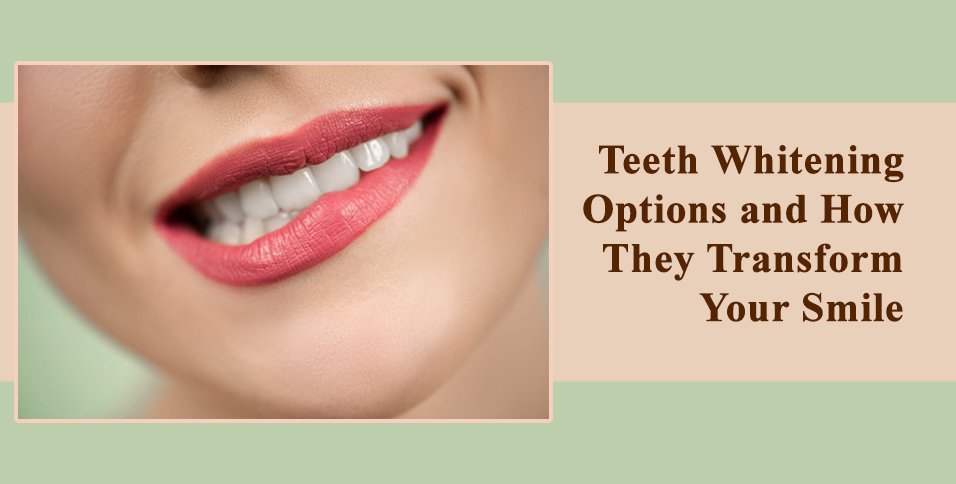
According to the American Dental Association’s 2024 consumer survey, teeth whitening has become the most requested cosmetic dental procedure, with over 3.5 million Americans pursuing professional treatment annually. Yet despite this surge in popularity, many people find themselves overwhelmed by conflicting claims about strips versus trays, professional treatments versus at-home kits, and whether that Instagram-famous charcoal powder actually works.
The whitening industry has exploded into a $6.2 billion market filled with everything from LED light kits to custom dental trays, making it increasingly difficult to separate science-backed solutions from marketing hype. For anyone considering whitening options, understanding how these treatments actually work — and which approaches deliver lasting results without damaging your enamel — has real implications for both your smile and your wallet.
What many people don’t realize is that successful whitening depends as much on the biological process happening inside your teeth as it does on the product you choose. The decisions you make about method, timing, and aftercare can mean the difference between a bright smile that lasts for years and disappointing results that fade within weeks.
How Does Teeth Whitening Work Scientifically?
The science behind teeth whitening centers on a surprisingly simple chemical reaction that breaks apart stain molecules trapped inside your tooth enamel. When whitening agents containing hydrogen peroxide or carbamide peroxide contact your teeth, they release oxygen molecules that penetrate the enamel and dentin layers. These oxygen molecules then break the chemical bonds holding stain particles together, effectively dissolving the discoloration from within.
Think of it like this: your teeth are naturally porous, with microscopic tubes called dentinal tubules running from the surface to the inner pulp. Over time, pigmented molecules from coffee, wine, tobacco, and certain foods work their way into these tiny spaces, creating the yellow or brown appearance we associate with stained teeth. The peroxide-based whitening agents are small enough to follow the same pathways, but instead of staining, they chemically alter these trapped pigments until they no longer reflect visible color.
Carbamide peroxide breaks down more slowly than hydrogen peroxide, releasing its whitening power gradually over several hours — which explains why some professional treatments use it for overnight applications. Hydrogen peroxide, on the other hand, works faster and more intensively, making it ideal for in-office procedures where dentists can monitor the process and use higher concentrations safely.
The concentration matters enormously. Over-the-counter products typically contain 3-10% hydrogen peroxide or 10-22% carbamide peroxide, while professional treatments can use concentrations up to 35% hydrogen peroxide. Higher concentrations work faster and penetrate deeper, but they also increase the risk of sensitivity and require professional supervision to avoid damaging the enamel or irritating the gums.
Here’s what catches most people off guard: the whitening process continues for 24-48 hours after treatment as the oxygen molecules finish their work inside your teeth. This is why dentists often advise avoiding staining foods immediately after whitening — your teeth are essentially more porous and vulnerable during this critical window. Understanding this biological timeline helps explain why professional treatments often show dramatic results that continue improving over several days, while some at-home methods may seem disappointingly slow until you realize the full effect hasn’t yet developed.
How Do Professional and At-Home Whitening Methods Compare?
The gap between professional and at-home whitening extends far beyond simple convenience — it involves fundamentally different approaches to safety, customization, and results predictability. Professional treatments work with your individual tooth structure and staining patterns, while at-home options take a one-size-fits-all approach that may or may not suit your specific needs.
Benefits and Limitations of Professional Treatments
In-office whitening procedures can achieve dramatic results in a single 60-90 minute session, often lightening teeth by 3-8 shades through carefully controlled high-concentration bleaching. Dentists use custom-fitted barriers to protect your gums while applying 15-35% hydrogen peroxide gels, sometimes enhanced with heat or specialized light activation to accelerate the chemical reaction.
The key advantage lies in professional supervision and customization. A dentist can adjust the concentration based on your enamel thickness, existing sensitivity levels, and desired results. They can also address uneven staining patterns that might leave some teeth looking patchy with at-home treatments. For people with tetracycline staining, deep intrinsic discoloration, or sensitive teeth, professional guidance often means the difference between successful whitening and disappointing results.
However, professional treatments require a significant upfront investment, typically ranging from $300-800 per session, and the dramatic results can sometimes cause temporary sensitivity that lasts 24-72 hours. Some patients need multiple sessions to achieve their desired shade, particularly if they have severe staining or naturally darker teeth.
Pros and Cons of At-Home Whitening Techniques
At-home whitening strips remain the most popular DIY option, using 6-10% hydrogen peroxide in a pre-formed plastic strip that adheres to your teeth for 30 minutes daily over 2-3 weeks. The convenience and lower cost appeal to many people, but the standardized design often leaves gaps along the gum line or fails to cover back teeth completely.
Custom whitening trays prescribed by dentists offer a middle ground — professional-grade carbamide peroxide gels (typically 10-22%) combined with precisely fitted trays that ensure even coverage and minimize gum contact. You wear these for 2-4 hours daily or overnight for 1-2 weeks, achieving gradual but significant whitening that often rivals in-office results at roughly half the cost.
Whitening toothpastes work through gentle abrasives and low-concentration peroxides, removing surface stains rather than changing your teeth’s intrinsic color. While they can’t dramatically lighten your smile, they help maintain results from other treatments and prevent new staining from accumulating. LED light kits marketed for home use show minimal evidence of enhanced effectiveness beyond what the gel alone provides, despite their high-tech appeal and premium pricing.
Natural remedies like activated charcoal or baking soda rely on abrasive action that can actually wear down enamel over time, potentially making teeth appear more yellow as the underlying dentin shows through. Oil pulling and hydrogen peroxide rinses offer mild whitening benefits but lack the concentration needed for dramatic results. For those seeking professional cosmetic dentistry solutions, understanding these limitations helps set realistic expectations about what each method can actually achieve.
What Are the Risks, Side Effects, and Sensitivity Solutions?
Tooth sensitivity represents the most common side effect of whitening treatments, affecting roughly 60-70% of people who use peroxide-based products. This occurs because the whitening agents temporarily open the dentinal tubules, allowing hot and cold stimuli to reach the tooth’s nerve more directly. The sensation typically peaks 24-48 hours after treatment and can range from mild tingling to sharp, shooting pain when consuming hot or cold foods.
The concentration and duration of peroxide exposure directly correlate with sensitivity risk. Professional treatments using 25-35% hydrogen peroxide almost universally cause some temporary sensitivity, while lower-concentration at-home products may produce minimal discomfort in people with naturally thicker enamel. Pre-existing sensitivity, worn enamel, or exposed root surfaces dramatically increase the likelihood of experiencing discomfort during and after whitening.
Gum irritation develops when whitening gel contacts soft tissues, causing chemical burns that appear as white or red patches along the gum line. This happens most commonly with ill-fitting trays, strips that extend beyond the tooth surface, or professional treatments where the protective barrier shifts during application. Unlike tooth sensitivity, gum irritation typically resolves within 2-3 days but can be quite uncomfortable while present.
Overuse of whitening products can lead to enamel damage and a translucent appearance at the biting edges of teeth. This occurs when people exceed recommended treatment schedules or use multiple whitening products simultaneously, essentially over-processing their teeth until the enamel structure becomes compromised. Once enamel transparency develops, it’s typically permanent and may require cosmetic bonding or veneers to correct.
Effective sensitivity management starts with desensitizing toothpastes containing potassium nitrate or fluoride, used for 1-2 weeks before beginning whitening treatment. During active whitening, taking breaks between applications allows the dentinal tubules to close partially, reducing nerve exposure. Many dentists recommend alternating whitening gel with desensitizing gel in custom trays, or using lower concentrations for longer periods rather than pushing for maximum strength treatments.
For severe sensitivity during professional treatment, dentists can apply fluoride varnishes or prescribe high-fluoride toothpastes to help seal the tubules more quickly. Some people find that taking ibuprofen 30 minutes before whitening helps manage both sensitivity and any gum inflammation that might develop.
What Are the Steps in Professional Teeth Whitening Procedures?
Professional whitening begins with a comprehensive consultation where your dentist evaluates your current tooth color using standardized shade guides, discusses your whitening goals, and examines your teeth for any conditions that might affect treatment success. They’ll photograph your smile for before-and-after comparison and check for cavities, gum disease, or worn fillings that need addressing before whitening begins.
Preparation takes 15-20 minutes and involves protecting everything except your tooth enamel from the whitening gel. Your dentist applies a liquid rubber dam or places custom barriers along your gum line, then uses a cheek retractor to keep your lips and tongue away from your teeth. Some procedures include applying a desensitizing agent to reduce the likelihood of sensitivity during treatment.
The active whitening phase typically involves three 15-20 minute applications of hydrogen peroxide gel, with brief breaks between each application to check your comfort level and assess progress. Your dentist may use a specialized light or heat source to activate the whitening gel, though research suggests these additions provide minimal benefit beyond what the chemical process achieves alone. Throughout this phase, they monitor for any signs of excessive sensitivity or gum irritation.
Post-treatment care begins immediately after the final gel application is removed and your teeth are thoroughly rinsed. Your dentist will assess your new shade, provide fluoride treatment if sensitivity occurs, and photograph your results for comparison. They’ll give you specific instructions about avoiding staining foods and beverages for the next 24-48 hours while your teeth remain porous and vulnerable to new stains.
Most patients experience some degree of sensitivity for 24-72 hours after professional whitening, which is normal and expected. Your dentist will provide desensitizing gel or recommend specific toothpastes to manage any discomfort. They’ll also schedule a follow-up appointment to assess your healing and discuss maintenance strategies.
The entire appointment typically takes 90 minutes from start to finish, though some practices offer express treatments that can be completed in 60 minutes. Results are immediately visible, though the full whitening effect continues developing for 24-48 hours as the chemical reaction completes inside your teeth. Most people achieve 3-8 shades of whitening in a single session, with the exact results depending on their starting tooth color and the type of staining present.
How Can You Maintain and Prolong Whitening Results?
The first 48 hours after whitening treatment represent the most critical period for long-term results, as your teeth remain porous and highly susceptible to new staining during this time. Avoiding coffee, tea, red wine, dark berries, and tobacco during this window can mean the difference between results that last two years versus results that fade within six months.
Daily maintenance habits play a surprisingly large role in whitening longevity. Using a straw when drinking staining beverages reduces direct contact with your teeth, while rinsing with water immediately after consuming coffee or wine helps dilute staining compounds before they penetrate the enamel. Whitening toothpaste used 2-3 times per week — not daily — helps remove surface stains without over-abrading the enamel.
Dietary choices have cumulative effects that become apparent over months rather than days. Foods high in chromogens (staining compounds) include curry, balsamic vinegar, soy sauce, and dark chocolate, while acidic foods like citrus fruits and soda temporarily soften enamel, making it more vulnerable to staining. Pairing staining foods with dairy products or eating them as part of a meal rather than alone helps neutralize acids and reduce staining potential.
Touch-up treatments become necessary every 6-18 months depending on your lifestyle and dietary habits. People who drink multiple cups of coffee daily or use tobacco typically need touch-ups every 6-9 months, while those with minimal staining exposure might maintain their results for 18-24 months. Custom whitening trays from your initial professional treatment make these touch-ups convenient and cost-effective, requiring only new gel refills rather than complete retreatment.
Regular dental cleanings every six months help maintain whitening results by removing surface stains and plaque buildup that can make teeth appear duller over time. Your dental hygienist can also recommend specific maintenance products based on your individual staining patterns and lifestyle factors. The investment in proper maintenance typically extends your whitening results long enough to make the initial treatment cost more reasonable when calculated on a per-month basis.
For most people, establishing a maintenance routine that balances enjoying their favorite foods and beverages with protecting their whitening investment becomes second nature within a few weeks. The key lies in understanding that small, consistent efforts to prevent new staining prove far more effective than trying to reverse months of accumulated discoloration with intensive retreatment.