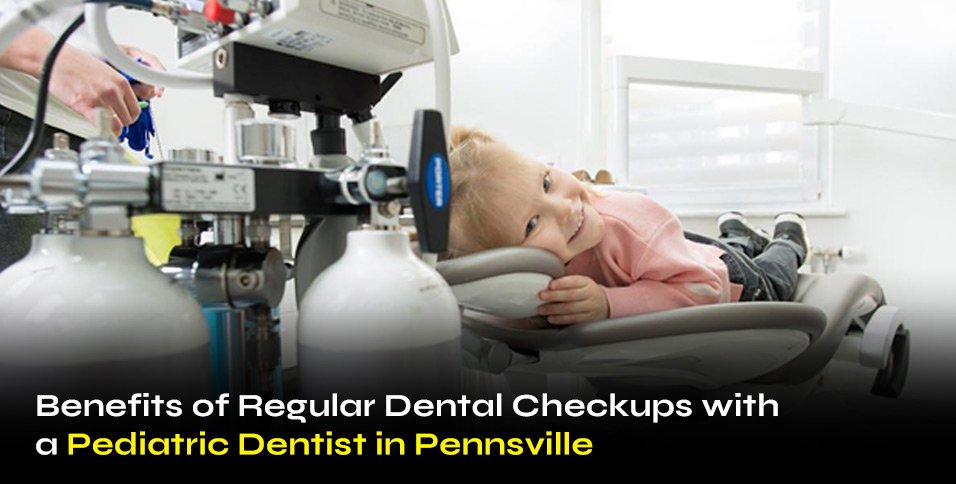
According to the American Dental Association’s 2024 oral health surveillance data, children who receive consistent dental care starting before age three have 40% fewer cavities by age six compared to those who delay their first visit. Yet in smaller communities like Pennsville, many families still view pediatric dental visits as reactive rather than preventive — waiting until pain or obvious problems emerge before seeking care.
This traditional approach misses a critical window. The early years of dental development set the foundation for lifelong oral health, and pediatric dentists bring specialized training in child psychology, developmental anatomy, and age-appropriate treatments that general dentists simply don’t emphasize. As dental insurance increasingly covers preventive pediatric care and research continues highlighting the connection between oral health and overall wellness, the case for regular checkups has never been stronger.
For Pennsville families navigating decisions about their children’s dental care, understanding what these specialized visits accomplish — beyond basic cleanings — reveals why consistency matters more than perfection, and why the investment pays dividends well into adulthood.
Why Regular Pediatric Dental Checkups Matter in Pennsville
The transition from baby teeth to permanent teeth creates a unique vulnerability window that many parents underestimate. Those first permanent molars emerge around age six, appearing behind all the existing baby teeth, and they’re often mistaken for temporary teeth that will eventually fall out. They won’t. These molars need to last a lifetime, yet their deep grooves and hard-to-reach location make them prime targets for decay during the critical years when children are still developing proper brushing techniques.
Pediatric dentists understand this developmental timeline intimately. They know that a seven-year-old’s motor skills aren’t sophisticated enough to effectively clean molar surfaces, regardless of how diligent parents are about enforcing brushing routines. Regular checkups during this period aren’t just about catching problems — they’re about preventing them through targeted interventions like sealants and fluoride treatments applied precisely when teeth are most vulnerable.
In smaller communities like Pennsville, where families often have long-standing relationships with healthcare providers, establishing this preventive foundation early creates continuity that extends far beyond childhood. Children who grow up with positive dental experiences are significantly more likely to maintain regular care as adults, breaking cycles of dental avoidance that can plague entire families. The pediatric dentist who guides a child through their first cleaning at age three is often the same professional helping them navigate orthodontic decisions at thirteen — a consistency that builds trust and reduces the anxiety that derails so many adult dental relationships.
How Pediatric Dentists Prevent and Detect Early Dental Problems
Preventive Treatments Used in Pediatric Dentistry
The most effective pediatric dental interventions happen before problems develop. Fluoride varnish applications provide concentrated protection that strengthens tooth enamel during the months after application, creating a barrier against acid-producing bacteria. Unlike adult fluoride treatments, pediatric versions use flavored formulations and quick-setting gels that accommodate shorter attention spans while delivering maximum protection.
Dental sealants represent perhaps the most cost-effective preventive treatment available. These thin plastic coatings are painted directly onto the grooves of permanent molars, creating a smooth surface that’s impossible for bacteria to colonize. The procedure takes minutes per tooth and can prevent decay for years — particularly valuable for children whose brushing technique hasn’t yet caught up to their oral anatomy.
Professional cleanings in pediatric practices go beyond plaque removal. Kids dental specialists use specialized instruments sized for smaller mouths and techniques designed to be thorough without causing discomfort. They also provide oral hygiene instruction tailored to each child’s developmental stage, teaching age-appropriate techniques that parents can reinforce at home. This educational component transforms routine cleanings into skill-building sessions that compound in value over time.
Recognizing Early Signs of Dental Problems in Children
Early detection relies on recognizing subtle changes that inexperienced eyes might miss. White spots on teeth often appear months before actual cavities form, indicating areas where enamel is beginning to weaken. Pediatric dentists can spot these warning signs during routine examinations and intervene with targeted fluoride treatments or dietary modifications before irreversible damage occurs.
Changes in eating habits frequently signal developing dental problems. A child who suddenly avoids certain foods, chews on one side of their mouth, or complains of sensitivity to cold drinks may be experiencing early-stage decay that hasn’t yet caused obvious pain. Pediatric dentists are trained to correlate these behavioral changes with clinical findings, often identifying problems during stages when treatment is simpler and less invasive.
Gum inflammation in children looks different than adult gingivitis and requires different intervention strategies. Pediatric dentists understand how teething, orthodontic appliances, and developmental factors influence gum health, distinguishing between temporary irritation and conditions requiring treatment.
Daily Dental Care Habits and Nutritional Factors Affecting Kids’ Teeth
Developing Effective Daily Dental Routines for Children
The most successful pediatric dental routines acknowledge developmental realities rather than fighting them. For children under eight, effective brushing requires parental assistance — not just supervision, but actual hands-on help with technique and thoroughness. The expectation that young children can independently achieve adequate plaque removal sets families up for frustration and disappointment.
Age-appropriate brushing techniques evolve as motor skills develop. Toddlers benefit from large-handled toothbrushes and circular motions, while school-age children can begin learning systematic approaches that cover all tooth surfaces. The key is matching expectations to capabilities rather than imposing adult standards on developing skills.
Timing and consistency matter more than duration for establishing lifelong habits. A two-minute timer means nothing to a four-year-old, but a consistent routine that happens at the same times each day creates behavioral patterns that persist into adulthood. Many pediatric dentists recommend focusing on morning and bedtime brushing first, adding additional sessions only after these core habits are solidly established.
Flossing introduction should happen gradually as children develop the dexterity to hold and manipulate floss effectively. Floss picks and water flossers can serve as transitional tools, making the process more manageable while building awareness of interdental cleaning.
How Nutrition Impacts Children’s Teeth Development
The relationship between diet and dental health extends far beyond sugar avoidance. Calcium and phosphorus provide the building blocks for strong enamel, but their absorption depends on adequate vitamin D levels — a consideration particularly relevant during Pennsylvania winters when sun exposure is limited. Dairy products, leafy greens, and fortified foods contribute to this nutritional foundation, but timing matters as much as content.
Snacking frequency creates more dental risk than snacking content in many cases. Each time children eat, oral bacteria produce acids that soften enamel for approximately twenty minutes. A child who grazes continuously throughout the day exposes their teeth to constant acid attacks, while a child who eats larger meals with defined breaks allows saliva to neutralize acids and remineralize enamel between eating episodes.
Hidden sugars in seemingly healthy foods often surprise parents. Fruit snacks, flavored yogurts, and even whole grain crackers can feed harmful bacteria effectively. Pediatric dentists help families identify these hidden sources while developing practical alternatives that support both nutrition and oral health goals.
Managing Dental Anxiety and Creating a Kid-Friendly Dental Experience
Dental anxiety in children often stems from fear of the unknown rather than actual negative experiences. Pediatric dental offices address this through environmental design and behavioral techniques that normalize the dental experience before any treatment begins. Tell-show-do approaches introduce new sensations gradually, allowing children to touch instruments, hear sounds, and understand procedures before experiencing them directly.
Distraction techniques have evolved beyond simple toys and stickers. Many pediatric practices now incorporate screens positioned above dental chairs, noise-canceling headphones, and interactive games that engage children’s attention during routine procedures. The goal isn’t to eliminate all awareness of what’s happening, but to provide positive focal points that reduce anxiety and create pleasant associations.
Parental involvement strategies vary depending on the child’s temperament and the complexity of the procedure. Some children feel more secure with parents present during examinations, while others perform better with the independence that comes from one-on-one interaction with dental staff. Experienced pediatric dentists can quickly assess which approach works best for each individual child.
Communication styles adapted for different developmental stages help children understand what’s happening without creating unnecessary worry. Simple, positive language that focuses on what the child will experience rather than what might go wrong builds cooperation and reduces fear. This specialized communication training distinguishes pediatric dentists from general practitioners who may lack experience talking to anxious children.
Long-Term Benefits of Consistent Pediatric Dental Care
The compound effect of regular pediatric dental visits extends far beyond cavity prevention. Children who maintain consistent dental care develop positive healthcare relationships that influence their approach to medical care throughout life. They learn to view healthcare providers as partners rather than threats, leading to better compliance with treatment recommendations and earlier intervention when problems arise.
Orthodontic timing becomes significantly more predictable when children receive regular monitoring during their developmental years. Pediatric dentists can identify spacing issues, crowding problems, and bite irregularities years before they become severe enough to require extensive correction. This early detection often makes orthodontic treatment shorter, less expensive, and more comfortable.
Nutritional education provided during regular visits creates awareness that influences food choices well into adulthood. Children who understand the connection between diet and dental health are more likely to make informed decisions about snacking, beverage consumption, and meal timing as they gain independence.
The financial benefits compound over time as well. Preventive care costs a fraction of restorative treatment, and the habits established during childhood reduce the likelihood of expensive dental work during the adult years when families are managing mortgages, college expenses, and other competing financial priorities. For Pennsville families, this long-term perspective transforms dental visits from an expense into an investment that pays dividends for decades.
Rather than viewing pediatric dental care as another item on an already overwhelming parenting checklist, consider it as one of the few decisions that becomes easier with time — each positive visit builds confidence and cooperation that makes subsequent care more pleasant for everyone involved.