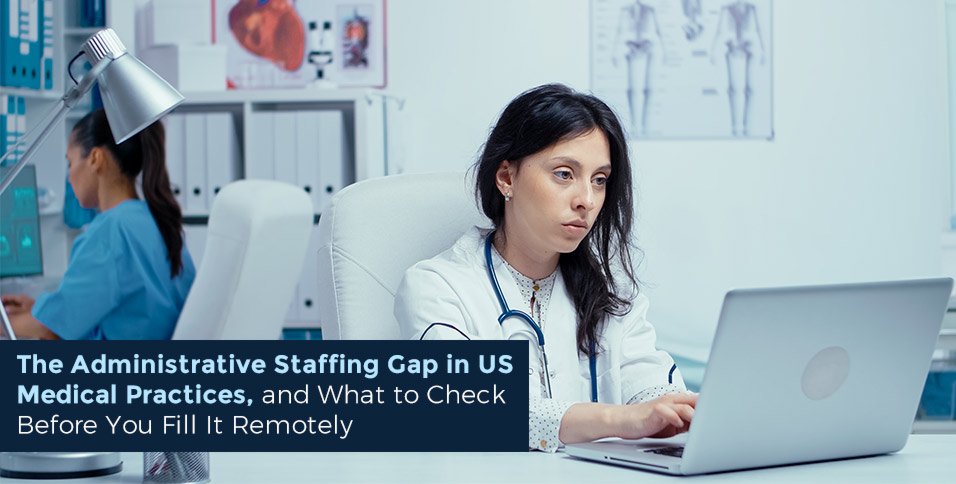
Doctors today spend more time on paperwork than they ever did in the past, and the trend keeps growing every single year without any sign of slowing down.
Filling out patient notes, updating records, and managing charts now takes up a huge chunk of every workday for clinicians across the country, no matter the size of their practice.
This problem has gotten so big that many doctors stay up late at night just to finish writing their notes from the day.
That extra unpaid work leads to stress, burnout, and far less quality time spent with patients during actual office hours, which is exactly the opposite of why most people become doctors in the first place.
The Paperwork Problem in Healthcare
Modern doctors deal with a lot more paperwork than most patients realize when they walk into a clinic.
For every hour spent with a patient, doctors now spend almost two hours typing notes, updating records, and clicking through digital forms inside their EHR systems.
This kind of work piles up incredibly fast over the course of a busy week. By the end of each day, many doctors take their unfinished work home and finish their charts late at night, which the industry now calls “pajama time.”
Why Documentation Takes So Much Time
Most doctors didn’t go through years of medical school to spend half their day typing notes into a computer.
The rise of electronic health records has made patient information easier to share between providers, but much harder to actually write quickly.
Every patient visit requires detailed notes for billing, insurance claims, and legal protection in case of disputes.
When a doctor sees 20 or 30 patients in a single day, the writing alone can easily take several extra hours after the last appointment ends.
How Paperwork Hurts Doctors and Patients
When doctors are tired and stressed from constant documentation, the overall quality of care can quietly drop without anyone noticing.
Studies show that more than half of US doctors now feel burned out, and most of them blame paperwork and EHRs as the main reason for their exhaustion.
Patients also feel the impact during their visits, even if they can’t quite explain why. When a doctor is busy typing during the appointment, eye contact drops sharply, and patients often feel like they aren’t being truly heard.
The High Cost of Hiring In-House Help
Some practices try to fix the problem by hiring full-time scribes who sit in the room and take notes during every visit.
While this approach does work for documentation, it can be very expensive for smaller clinics that don’t have the same budget as large hospitals.
A full-time in-house scribe costs around $36,000 to $60,000 per year, plus benefits, training, and ongoing turnover costs.
For a small practice working on tight margins, that price tag is a big chunk of money that could be spent on patient care or important equipment upgrades instead.
Why Remote Scribes Are Becoming Popular
Remote medical scribes offer a smarter and much cheaper option for clinics that want help without breaking the bank.
Instead of sitting physically in your office, they work from home and join your patient visits through a phone, video link, or secure software tool.
This setup saves a lot of money on office space, equipment, and onboarding time during the first few weeks.
It also gives clinics more flexibility because they can hire help by the hour or by the month instead of taking on a full-time employee with all the related costs.
Among the top remote scribe companies, Wing Assistant has become a popular choice with plans starting at around $1,099 per month for part-time support.
Their virtual assistants handle everything from note-taking and chart updates to managing follow-up tasks and patient histories for busy practices.
What Remote Scribes Actually Do
A remote scribe’s main job is to listen carefully during patient visits and write the clinical notes for the doctor in real time as the appointment unfolds.
They update electronic health records as the conversation happens, so by the time each visit ends, the charts are mostly complete and ready for a quick review by the physician.
Some remote scribes go even further than basic documentation work for the practice. Many also help with patient histories, pre-visit forms, prescription refill coordination, and follow-up calls, which means doctors get even more of their valuable time back each week to focus on the parts of their job they actually love.
Are Remote Scribes Safe and Private?
Patient privacy is understandably one of the biggest concerns when bringing in any kind of remote help to a medical practice.
The good news is that reputable scribe companies follow strict HIPAA rules and use secure systems to keep all patient data fully protected at every stage of the process.
Before signing up with any provider, always ask if they sign a BAA, which stands for business associate agreement.
This is an important legal document that confirms the company will protect your patient information just like a properly trained in-house employee would, and it gives you legal recourse if anything ever goes wrong.
How to Pick the Right Scribe Service
Not every scribe company is the same, and the wrong choice can cause real headaches and wasted money for your clinic.
Look for providers with clear pricing, no hidden fees, simple contracts, and a real human you can actually call when something goes wrong.
You should also choose a provider who gives you the same dedicated scribe each day rather than rotating through new people every week.
A consistent scribe learns your communication style, your patients, and your specialty over time, which makes the entire workflow run much smoother.
Easy Ways to Get Started With a Remote Scribe
Switching to a remote scribe doesn’t have to be a big or scary project for your clinic team. Most practices start by trying out a single scribe for a few weeks before slowly adding more help across other parts of the office.
Companies like Wing Assistant make the process easy by offering month-to-month plans with no long-term contracts holding you in place.
You can scale up your support if it works well, or simply stop the service if it doesn’t fit your specific needs and goals as a practice.
Final Thoughts
Doctors didn’t choose a career in medicine to spend their evenings typing notes at home or skipping meals to catch up on patient charts late into the night.
Remote medical scribes are a simple and effective way to take that heavy workload off their plates and put the focus back on quality patient care where it belongs.
If your clinic is feeling the strain of too much paperwork and tired staff at the end of every shift, hiring a remote scribe could be the easiest and smartest fix you make all year.
The right partner saves real time, reduces daily stress, improves patient interactions, and helps you deliver the kind of thoughtful care your team has always wanted to provide.