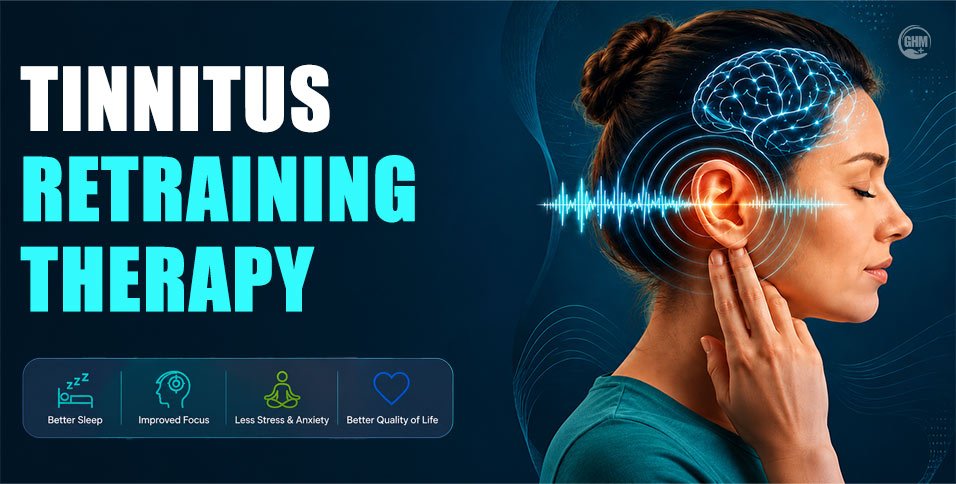
Imagine a constant ringing, buzzing, or humming in your ears, one that never fully goes away, no matter how quiet the room. For millions of people, this is an everyday reality. Tinnitus affects approximately 10–15% of adults worldwide, disrupting sleep, concentration, and emotional well-being. The frustrating part? There is no definitive cure. But the good part is, at least relief is possible. The Tinnitus Retraining Therapy (TRT) is one of the most evidence-backed approaches available today, and for many people, it genuinely changes how they live with tinnitus.
This guide explains exactly what Tinnitus Retraining Therapy involves, how it works, and whether it might be right for you.
What Is Tinnitus Retraining Therapy?
Tinnitus Retraining Therapy is a structured, clinician-guided program designed to train the brain to tune out tinnitus sounds like constant ringing, buzzing, or humming over time. It was developed in the 1980s by audiologist Dr. Pawel Jastreboff, who observed that the brain naturally filters out repetitive, non-threatening signals and that this same neurological mechanism could be applied to tinnitus.
TRT does not eliminate the ringing. Instead, it changes your reaction to it. The goal is tinnitus habituation, a process where the brain gradually stops flagging tinnitus as a threat and begins to treat it as background noise, much like the hum of an air conditioner that you stop noticing after a while.
This distinction matters. TRT targets the neuroplasticity of the auditory and emotional brain circuits, essentially rewiring how your nervous system processes and responds to tinnitus sounds.
How Tinnitus Retraining Therapy Works
TRT is delivered in four interconnected phases:
1. Initial Assessment
Every TRT program begins with a thorough evaluation by an audiologist or ENT specialist. This includes a comprehensive hearing test, a detailed medical history review, and an assessment of underlying causes such as noise-induced hearing loss, medication effects, or middle ear conditions. Initial assessment ensures TRT is appropriate for the patient and shapes the further approach.
2. Counseling Component
Counseling is the cornerstone of TRT. Through educational sessions, clinicians help patients understand the neurological basis of tinnitus. The counselor explains to the patient why tinnitus happens and why the brain amplifies certain sounds. This knowledge alone can reduce the fear and anxiety that often make tinnitus feel worse. Counseling techniques for tinnitus include cognitive reframing, which helps shift the perception of tinnitus from something threatening to something neutral and manageable.
3. Sound Therapy Component
Tinnitus sound therapy runs in parallel with counseling. The aim is to reduce the contrast between tinnitus and silence, because silence actually makes the ringing more noticeable. Clinicians may recommend tinnitus sound therapy devices:
- White noise generators worn in the ear (similar to a hearing aid)
- Environmental sound enrichment, such as fans, nature sounds, or soft music
- Hearing aids with built-in masking features for those with concurrent hearing loss
- Low-level background sounds during sleep and rest periods
4. The Habituation Process
Over months of combined counseling and sound therapy, the brain gradually stops reacting to the tinnitus signal. Awareness decreases, emotional distress fades, and the sound, though it may still be physically present, loses its grip on daily life. This is habituation in action.
How Long Does Tinnitus Retraining Therapy Take?
Tinnitus retraining therapy is not a quick fix. Most patients undergo treatment for 12 to 18 months, with regular follow-up appointments throughout. That said, many people notice meaningful early improvements within the first 3 to 6 months, particularly reduced anxiety around tinnitus and better sleep. Early clinical data from Jastreboff’s own practice showed improvements in 79–85% of patients who completed full TRT treatment involving both counseling and sound therapy.
How quickly TRT works depends on several factors:
- The severity and duration of your tinnitus
- Whether hearing loss is also present
- Your emotional response to tinnitus (high distress often lengthens the timeline)
- Consistency with sound therapy and session attendance
Patience and commitment are essential. TRT rewards consistency; those who follow through consistently tend to see the best outcomes.
Benefits of Tinnitus Retraining Therapy
For those who respond well, the benefits of TRT extend well beyond just “hearing less ringing.” Patients consistently report:
- Reduced emotional distress: less anxiety, frustration, and helplessness related to tinnitus
- Better sleep quality: fewer disrupted nights as the brain stops reacting to tinnitus at rest
- Improved concentration: the intrusive pull of tinnitus fades, making it easier to focus
- Lower overall stress: breaking the cycle of distress that amplifies tinnitus awareness
- Long-term coping tools: skills learned during tinnitus retraining therapy continue to work even after formal treatment ends.
The underlying goal of TRT is not the elimination of sound, but the elimination of suffering. Many patients describe reaching a point where their tinnitus is simply no longer a meaningful part of their day, even if the sound itself remains.
A study published in the Brazilian Journal of Otorhinolaryngology found that TRT combined with medication outperformed medication alone at 1, 3, and 6 months.
Risks and Limitations of Tinnitus Retraining Therapy
TRT is widely regarded as safe, as no significant side effects have been reported. However, there are practical limitations to consider:
- Cost: TRT can be expensive, and insurance coverage is inconsistent, as many insurance plans do not cover tinnitus treatment fully.
- Time commitment: The 12–18-month timeline for TRT demands sustained motivation
- Variable outcomes: Some patients see dramatic improvement; others experience more modest gains
- Availability: Not all clinics offer TRT, and access to trained audiologists may be limited in some regions
TRT does not work equally well for everyone. Results vary depending on the individual, the severity of tinnitus, and how thoroughly the full program is followed. It performs best when both counseling and sound therapy are delivered together, rather than sound therapy alone.
Professional evaluation before starting TRT is essential; a specialist can help determine whether it suits your specific situation.
Other Tinnitus Treatment Options That May Complement TRT
TRT works best as part of a broader tinnitus management plan. Several other approaches can support and strengthen results:
Cognitive Behavioral Therapy (CBT): CBT helps patients reframe negative thought patterns around tinnitus. Research consistently supports CBT as an effective standalone treatment for tinnitus distress, and it pairs powerfully with TRT.
Lifestyle Adjustments: Managing stress levels, maintaining good sleep hygiene, and limiting exposure to loud noise all play a meaningful role. Chronic stress is strongly linked to depression and mood dysregulation, which in turn amplify tinnitus perception.
Mindfulness and Relaxation Techniques: Meditation, deep breathing, and mindfulness-based stress reduction (MBSR) help lower the nervous system’s reactive state, making it easier for habituation to take hold.
When to See a Doctor For Tinnitus
While tinnitus is common and often benign, certain presentations warrant urgent medical attention. See a doctor promptly if you experience:
- Sudden tinnitus that appears without warning
- Pulsatile tinnitus, a rhythmic sound that pulses with your heartbeat
- One-sided tinnitus, where ringing is heard in only one ear
- Tinnitus along with dizziness or hearing loss
- Symptoms of tinnitus that significantly interfere with daily function or sleep
These patterns can sometimes point to treatable underlying conditions, including vascular issues, acoustic neuroma, or Meniere’s disease, that require investigation before any therapy begins.
End Note
Tinnitus Retraining Therapy offers hope for people struggling with chronic ringing in the ears.
By harnessing the brain’s natural ability to adapt, TRT helps you move from a state of constant distress to one where tinnitus simply fades into the background of everyday life. Tinnitus Retraining Therapy treatment takes time and commitment, but the results for many patients are genuinely life-changing.
If tinnitus is affecting your sleep, concentration, or emotional well-being, the most important step you can take is reaching out to an audiologist or ENT specialist for a personalized evaluation. A tailored TRT program, guided by the right professional, could be exactly what you need to reclaim your peace and quiet.
This article is for informational purposes only and does not constitute medical advice. Always consult a qualified healthcare professional for diagnosis and treatment recommendations.
Frequently Asked Questions
1. Can diet affect tinnitus symptoms during Tinnitus Retraining Therapy?
Certain foods and drinks may temporarily worsen tinnitus symptoms in some people. Excess caffeine, alcohol, salty foods, and highly processed meals can sometimes increase tinnitus perception by affecting blood circulation or stress levels.
2. Is Tinnitus Retraining Therapy suitable for older adults?
Yes. Tinnitus Retraining Therapy can benefit older adults, especially those with age-related hearing loss. Since TRT focuses on changing the brain’s response to tinnitus rather than curing hearing damage, many older individuals find it useful for improving sleep, concentration, and emotional well-being.
3. Can children or teenagers undergo Tinnitus Retraining Therapy?
Yes, children and teenagers with persistent tinnitus may benefit from TRT. However, pediatric TRT treatment plans need to be adjusted for younger patients, and evidence regarding effectiveness in children is still limited. Pediatric evaluation by an ENT specialist or audiologist is important before starting therapy.
4. Can exercise help reduce tinnitus-related stress?
Regular physical activity may help lower anxiety, improve circulation, and support better sleep, all of which can indirectly reduce tinnitus distress. In fact, exercise is often recommended as part of a holistic tinnitus management plan.
5. Is it safe to use headphones if you have tinnitus?
Moderate headphone use is generally safe if the volume remains low. However, listening to loud music or prolonged exposure to high sound levels can worsen tinnitus and hearing damage. Following safe listening practices, such as keeping volume below 60% and taking listening breaks, is recommended.