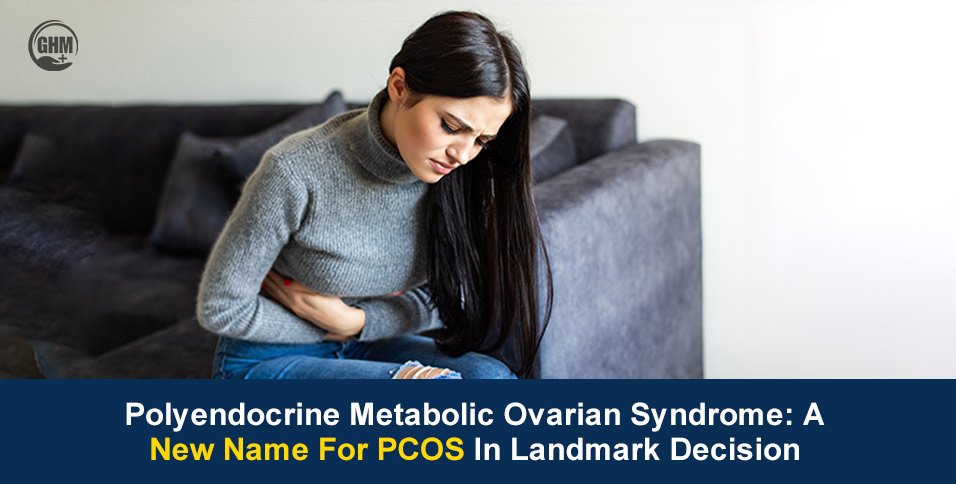
A historic healthcare effort has led to a major shift in women’s health terminology. The condition PCOS has officially been renamed by the experts from polycystic ovary syndrome (PCOS) to Polyendocrine Metabolic Ovarian Syndrome (PMOS).
This new name for PCOS was revealed during the European Congress of Endocrinology and published in The Lancet after more than 14 years of collaboration between scientists, patient advocates, and medical organizations worldwide.
The previous name, polycystic ovary syndrome (PCOS), failed to accurately describe the condition, which affects an estimated 170 million women globally and often goes undiagnosed. Experts now hope the new terminology will improve awareness, diagnosis, treatment, and long-term care.
Why Is the New Name For PCOS So Significant?
The official new term for PCOS is PMOS (Polyendocrine Metabolic Ovarian Syndrome). The updated name aims to represent the complex nature of the condition.
- Polyendocrine: affects multiple hormone systems in the body
- Metabolic: linked to insulin resistance, obesity, and diabetes risk
- Ovarian: acknowledges reproductive and ovulation-related symptoms
For years, many doctors and patients argued that the phrase “polycystic ovary syndrome” was misleading. Despite the name, many patients do not actually have ovarian cysts. Instead, they may have immature ovarian follicles that appear cyst-like during scans.
The new PCOS terminology also shifts attention away from fertility alone and toward the broader metabolic and hormonal effects of the condition.
Experts say the old name contributed to confusion, stigma, and delayed diagnoses. Many women believed the condition only affected fertility or the ovaries, while some healthcare providers overlooked its metabolic and psychological complications.
Helena Teede, who led the international initiative, said the former terminology “didn’t capture the multi-system burden” experienced by patients.
The experts emphasized that the condition is strongly linked to insulin resistance, cardiovascular disease, mental health challenges, and chronic inflammation.
The old term also created misconceptions around ovarian cysts. In reality, the structures seen in scans are often underdeveloped follicles rather than harmful cysts requiring surgery.
PMOS Is More Than a Reproductive Disorder
One of the biggest reasons behind the renaming of PCOS to PMOS is the growing understanding that the condition affects multiple systems across the body.
People living with PMOS may experience:
- Irregular menstrual cycles
- Acne and excessive facial hair
- Weight gain or difficulty losing weight
- Insulin resistance
- Increased risk of type 2 diabetes
- Anxiety and depression
- Cardiovascular complications
- Fertility challenges
Research cited during the European Congress of Endocrinology showed that approximately 85% of patients with PMOS may experience insulin resistance.
Unlike many previous medical terminology updates, patients played a central role in the renaming process. More than 56 medical and patient advocacy organizations across six continents participated in surveys, workshops, and discussions over the period of 14-years.
Many women shared stories of being dismissed, misdiagnosed, or told their symptoms were “normal.” Others described years of confusion caused by the word “polycystic.”
Now, the condition can be officially called a multisystem endocrine disorder rather than only a gynecological issue. The new name for PCOS is also expected to reduce stigma in regions where reproductive health conditions may affect social perceptions of women.
What the PMOS Change Could Mean for Healthcare
Experts believe the new terminology, Polyendocrine Metabolic Ovarian Syndrome, could lead to earlier diagnosis and more comprehensive care.
Currently, many treatments focus on symptom management rather than addressing the underlying hormonal and metabolic disruptions.
Common interventions include:
- Lifestyle and dietary changes
- Hormonal therapies
- Fertility treatments
- Diabetes medications
Healthcare leaders also hope the new name will encourage stronger collaboration between endocrinologists, gynecologists, dermatologists, nutritionists, and mental health professionals.
Transition From PCOS to PMOS Will Take Time
Medical experts say both PCOS and PMOS will likely be used interchangeably during a transition period over the next several years.
The ultimate goal is to integrate PMOS into international healthcare guidelines and future updates to the World Health Organization’s disease classification systems.
While the terminology shift may seem symbolic, experts argue it represents something larger: a growing recognition that women’s health conditions deserve more accurate science, broader awareness, and better funding.
For millions living with the conditions PCOS and PMOS, the new name for PCOS could mark the beginning of more informed and compassionate care.