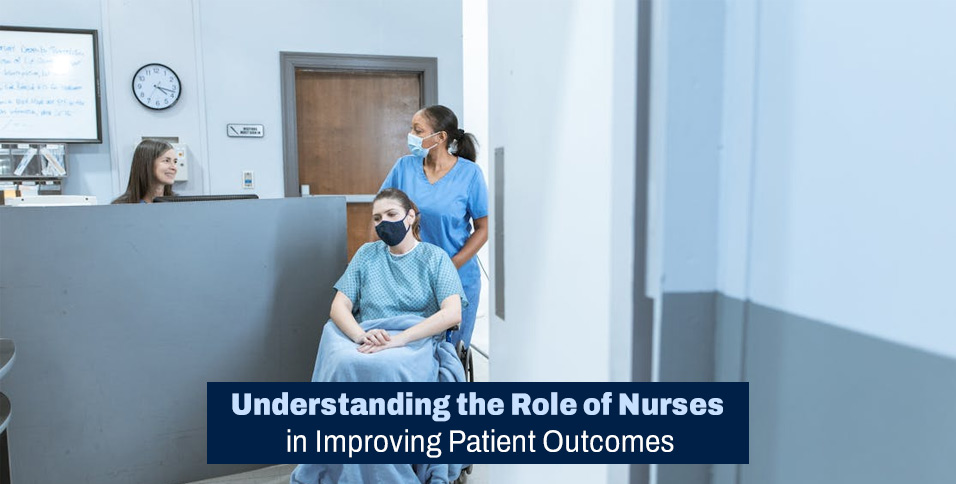
Healthcare today is more complex than ever, with patients presenting multiple conditions and requiring coordinated, long-term care. As systems expand and technologies evolve, the demand for consistent, high-quality patient management continues to grow. In this environment, nurses play a central role. They are often the first to notice changes in a patient’s condition and ensure that care plans are followed accurately. Their responsibilities extend beyond routine care into critical thinking, communication, and decision-making that directly affect patient outcomes.
Education has become a key factor in preparing nurses for these expanded responsibilities. Healthcare organizations increasingly rely on professionals with advanced training to handle complex cases and improve clinical results. As expectations rise, so does the need for specialized knowledge to support safer, more effective care delivery. This shift highlights the importance of advanced nursing pathways that prepare professionals to take on greater responsibility in improving patient outcomes.
The Direct Link Between Advanced Nursing and Reduced Mortality Rates
Healthcare systems are placing greater emphasis on higher education to improve patient safety and reduce mortality rates. The expanding scope of Master of Science in Nursing jobs reflects this shift, equipping nurses with advanced clinical skills and stronger decision-making abilities. With deeper knowledge of diagnostics and patient management, nurses can identify risks earlier and intervene more effectively, leading to fewer complications and improved survival rates.
Studies consistently show that hospitals with more highly educated nursing staff experience improved patient outcomes. Nurses with advanced training are better prepared to assess subtle changes in patient conditions and act quickly. Their ability to apply evidence-based protocols reduces the likelihood of errors and enhances the overall quality of care. This direct connection between education and patient outcomes continues to influence how healthcare institutions build their teams.
Care Coordination and Advocacy
Nurses serve as the primary link between patients and the broader healthcare team. They communicate with physicians, specialists, and support staff to ensure that every aspect of a patient’s care plan is aligned. This coordination reduces gaps in treatment and helps prevent miscommunication, which can otherwise lead to delays or errors. By managing these connections, nurses help create a smoother and more efficient care experience for patients.
In addition to coordination, nurses act as strong patient advocates. They help individuals understand their diagnoses, treatment options, and next steps. When patients feel informed and supported, they are more likely to remain engaged in their care, leading to better health outcomes and greater satisfaction.
The Impact of Specialized Clinical Expertise
Specialized clinical expertise enables nurses to handle complex, high-risk situations with greater confidence. In environments such as intensive care units or emergency departments, quick and accurate decisions are essential. Nurses with focused training in these areas can assess critical conditions and respond effectively, which improves patient stabilization and recovery. Their expertise becomes especially valuable when managing patients with severe or rapidly changing conditions.
Healthcare facilities benefit significantly from having nurses with specialized skills. These professionals contribute to better treatment planning and more precise interventions. Their advanced knowledge also supports collaboration with physicians and other specialists, ensuring comprehensive and efficient care. As healthcare continues to evolve, the demand for specialized nursing expertise will remain a key driver of improved patient outcomes.
Evidence-Based Practice in Bedside Care
Modern nursing relies heavily on evidence-based practice to ensure consistent and safe patient care. Nurses are expected to stay up to date with current research and apply proven methods in their daily routines. This approach reduces treatment variability and ensures that patients receive care aligned with the latest clinical standards. It also strengthens decision-making by grounding actions in data rather than assumptions.
At the bedside, this translates into fewer medical errors and more predictable outcomes. Nurses who follow evidence-based protocols can quickly identify what works and what does not in specific situations. Their ability to combine research with real-time patient assessment improves both efficiency and safety.
Patient Education and Preventive Outcomes
Patient education is one of the most impactful responsibilities nurses carry. They guide patients through treatment plans, medication routines, and lifestyle adjustments that support recovery. Clear communication helps patients understand their role in managing their health, which leads to better adherence to medical advice. When patients feel informed, they are more likely to take the necessary steps to avoid complications.
Preventive care is closely tied to this educational role. Nurses often identify risk factors early and provide guidance that helps patients avoid future hospital visits. This is especially important for chronic conditions where long-term management is key. By focusing on prevention and awareness, nurses help reduce readmission rates and support healthier communities.
Leadership and System-Wide Efficiency
Advanced-practice nurses often step into leadership roles that influence how healthcare systems operate. They contribute to developing protocols, improving workflows, and ensuring efficient care delivery. Their clinical background allows them to identify practical improvements that directly impact patient care and staff performance.
Strong nursing leadership also supports better collaboration across departments. When communication flows smoothly, teams can respond faster and work more effectively. Nurse leaders often mentor junior staff, which helps maintain high standards across the organization.
The Future of Nursing Excellence
The demand for highly skilled nurses continues to grow as healthcare systems face new challenges. Aging populations, chronic illnesses, and global health concerns are increasing the need for advanced expertise. Nurses are taking on expanded roles that go beyond traditional care, including involvement in policy, research, and technology-driven healthcare solutions.
Healthcare organizations are investing more in advanced training to prepare nurses for these evolving responsibilities. As these roles expand, nurses will play an even greater part in shaping patient care standards and improving outcomes on a larger scale.
Strengthening Care Through Nursing Expertise
Nursing expertise plays a direct role in determining the quality of patient care within any healthcare system. From applying evidence-based practices to educating patients and leading teams, nurses influence outcomes at every stage of treatment. Their ability to combine clinical knowledge with practical care ensures that patients receive consistent and effective support.
Investing in nursing development leads to measurable improvements in safety, efficiency, and patient satisfaction. As healthcare continues to evolve, strengthening nurses’ skills and education remains one of the most reliable ways to elevate care standards. A well-prepared nursing workforce is essential for delivering better outcomes and building more resilient healthcare systems.