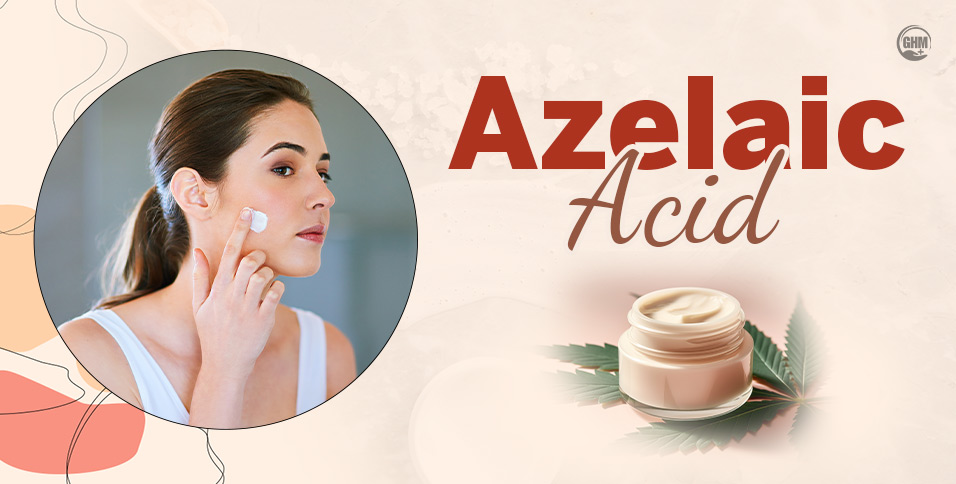
Deciphering the ingredient list on a new bottle of serum can often feel like you need a medical degree. While many are familiar with common acids in skincare, such as glycolic or salicylic acid, there is a multifunctional powerhouse gaining significant spotlight.
Azelaic acid is currently a favourite among skincare enthusiasts because it offers a rare combination of high efficacy and low irritation. Dermatologists also increasingly recommend this ingredient for those who find traditional acids too aggressive.
Whether you struggle with stubborn acne, persistent rosacea, or dark spots, this versatile acid helps restore your glow.
In this guide, we will answer your most frequently asked questions about azelaic acid, from how to use it, what to pair it with, to how long it takes to see real results.
Understand The Top FAQ’s On Azelaic Acid
1. What Is Azelaic Acid?
Azelaic acid is a naturally occurring dicarboxylic acid. It is found in cereal grains such as wheat, rye, and barley. Interestingly, it is also produced by Malassezia furfur, a yeast that lives naturally on healthy human skin.
While it occurs naturally, the versions found in your favorite azelaic acid serum or azelaic acid cream are typically lab-engineered for stability and efficacy. It is available in various formulations, including gels, foams, and creams. Typically, over-the-counter (OTC) products contain strengths between 10% and 12%, while prescription azelaic acid (such as Azelex or Finacea) features concentrations of 15% to 20%.
2. How Azelaic Acid Works on Skin?
Azelaic acid treats multiple skin concerns simultaneously. Unlike some ingredients that only target one issue, this multifunctional molecule addresses the root causes of skin distress.
- It Fights Bacteria
Azelaic acid acts as a potent antimicrobial agent. It specifically targets Propionibacterium, the bacteria responsible for acne breakouts. It kills existing bacteria and limits the production of new microbes.
- It Calms Inflammation
As an antioxidant, it neutralizes free radicals that trigger inflammation. This helps reduce the swelling and redness associated with acne and rosacea.
- It Regulates Cell Turnover
The acid helps normalize the way your skin produces cells. It prevents the buildup of keratin and dead skin that clogs pores. By keeping pores clear, it stops pimples before they even start.
- It Brightens Skin Tone
It inhibits tyrosinase, an enzyme required for melanin production. This effectively fades hyperpigmentation and dark spots without affecting normal skin color.
3. What Is Azelaic Acid Used For?
Dermatologists recommend azelaic acid for a wide array of conditions. Its primary uses include treating mild to moderate acne, reducing the symptoms of rosacea, and evening out skin tone.
Because it is gentle, it is often a preferred choice for individuals with sensitive skin who cannot tolerate stronger retinoids or high-strength hydroxy acids.
Research also suggests emerging benefits of azelaic acid for other conditions such as alopecia (hair loss), keratosis pilaris, and even psoriasis vulgaris.
4. Does Azelaic Acid Help With Acne?
Yes, using azelaic acid for acne can be beneficial. While it may not penetrate deep enough for severe cystic acne, it excels at treating mild to moderate cases.
Research indicates that a 20% azelaic acid cream is as effective as 5% benzoyl peroxide or 0.05% tretinoin. It provides these results with significantly less peeling and irritation than traditional retinoids. Furthermore, bacteria do not develop resistance to azelaic acid, making it a reliable long-term treatment.
5. Is Azelaic Acid an Exfoliant?
While azelaic acid is technically an acid, it is not a traditional chemical exfoliant like AHAs or BHAs. However, it possesses mild keratolytic properties. It is much gentler than standard AHAs or BHAs.
Azelaic acid provides a mild “keratolytic” action, which means it helps break down the outer layer of skin to prevent pores from clogging. However, it is not a traditional peeling agent. This makes it an excellent choice for those who find standard exfoliants too irritating.
6. How to Use Azelaic Acid Correctly?
To achieve the best results, you should follow a consistent azelaic acid skincare routine. Typically, the product is applied once or twice daily to clean, dry skin. Follow these recommended steps:
- Wash your face with a gentle cleanser and pat dry.
- Apply a pea-sized amount of azelaic acid evenly over the affected areas.
- Follow with a hydrating moisturizer to lock in moisture.
- Always apply a sunscreen with an SPF 30+ during the day, as azelaic acid can make your skin more sensitive to the sun.
If you have sensitive skin, start by applying it once every other day. Once your skin adapts, you can increase usage to twice daily.
7. Can You Use Azelaic Acid With Retinol or Tretinoin?
Yes, azelaic acid and retinol can be used together, and dermatologists often prescribe them as a duo to treat stubborn acne or melasma. While azelaic acid calms inflammation and kills bacteria, retinol speeds up cell turnover and boosts collagen.
However, caution is required. Using both at the same time can be drying and irritating. Many experts recommend using azelaic acid in the morning and retinol at night, or alternating nights to maintain the skin barrier.
8. Does Azelaic Acid Cause Purging?
Like many active skincare products, azelaic acid can cause a temporary “purge”. Because the acid speeds up skin cell turnover, it may push underlying congestion to the surface.
Azelaic acid purging usually looks like small breakouts in areas where you normally get pimples. Fortunately, purging is short-lived. If your skin does not clear up after a few weeks or if you experience severe redness and swelling, consult your doctor.
This “purge” is not a sign that the product is failing; rather, it indicates that the skin is renewing itself faster than usual. Purging should only last a short time, and once it subsides, the skin typically appears much clearer.
9. What Are The Side Effects of Azelaic Acid?
Only about 4% of topically applied azelaic acid is absorbed into your systemic circulation, making it remarkably safe. Still, azelaic acid side effects can occur, especially during the first few weeks of use. Common local reactions include:
- Temporary stinging or burning.
- Itching or scaling.
- Mild dryness or peeling.
These side effects of azelaic acid usually subside as your skin adapts. However, individuals with dark skin should be cautious and monitor for any abnormal changes in skin color, as the acid can occasionally cause hypopigmentation (lightening of the skin). In rare cases, azelaic acid has been linked to worsening asthma symptoms.
10. Azelaic Acid vs. Salicylic Acid vs. Glycolic Acid: What’s the Difference?
While azelaic acid is an acid, it belongs to a different family than the more famous Alpha-Hydroxy Acids (AHAs) and Beta-Hydroxy Acids (BHAs). Unlike glycolic acid (an AHA) or salicylic acid (a BHA), azelaic acid is generally considered gentler and better suited for those with reactive skin.
Each acid serves a unique primary purpose:
- Salicylic Acid: This BHA works deep inside the pores to soften keratin and remove clogs, making it a go-to for oily skin and blackhead prevention.
- Glycolic Acid: This AHA acts as a moisturizing exfoliant and is frequently used in peels to improve the appearance of dry or photodamaged skin.
- Azelaic Acid: While it also helps unclog pores, it works primarily on the skin’s surface to kill acne-causing bacteria and neutralize free radicals that cause redness.
Final Takeaway
Azelaic acid is a versatile, gentle, and highly effective addition to your skincare routine. Whether you are battling adult acne or managing rosacea, this ingredient offers a science-backed path to clearer skin. It works beautifully alongside other actives like Vitamin C and retinol, provided you prioritize hydration and sun protection.
While it is slower than some aggressive treatments, its safety profile, even for pregnant individuals, makes it a top-tier choice for long-term skin health. Always consult a dermatologist before starting new treatments to ensure they align with your specific skin needs.
If you found this article helpful, please share it with a friend who is looking for gentler ways to achieve clear skin!
Disclaimer: This article is for educational purposes only and is not medical advice. Always consult a dermatologist or licensed skincare professional before using acid-based products, especially if you have sensitive skin, underlying conditions, or are on prescribed treatments.