Stress is a natural reaction your body has when changes or challenges occur. While many people view stress as a purely mental hurdle, it triggers noticeable physical changes throughout the body. Occasional stress is normal and can even keep you alert and motivated, but prolonged stress can affect several body systems.
Common physical signs of stress range from frequent headaches and muscle tension to persistent fatigue, digestive problems, and sleep disturbances. Recognizing them early is essential before they interfere with your everyday life. According to research, at least 67% (two-thirds) of adults in the U.S. report that stress takes a direct physical toll on their bodies.
This article explains the 12 physical signs of stress and ones affecting your mental health. It also provides tips to manage and reduce the symptoms of stress.
What Are the Physical Signs of Stress?
Physical signs of stress are bodily changes or symptoms that occur when the body responds to stressful situations. This process is driven by the body’s built-in fight-or-flight response managed by the autonomic nervous system. During this response, the body releases stress hormones—particularly cortisol and adrenaline—which prepare you to respond to perceived threats.
When these biological reactions are activated repeatedly or prolonged over weeks and months, they cause significant wear and tear on sleep cycles, digestion, muscle tissue, cardiovascular health, and immune functioning. Because every individual reacts differently, physical symptoms vary based on your stress levels, overall health, and personal responses.
12 Common Physical Signs of Stress You Should Recognize
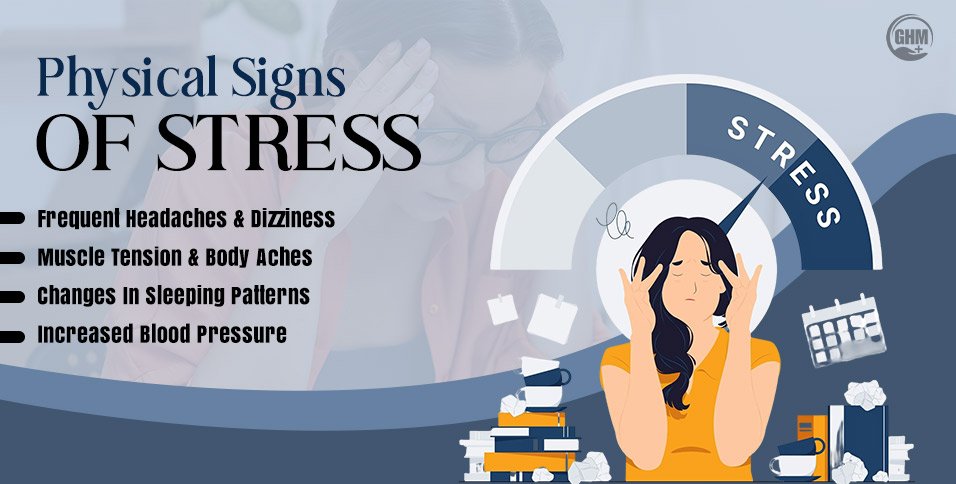
1. Frequent Headaches and Dizziness
Stress-related muscle tension often contributes to uncomfortable tension headaches, which typically feel like pressure around the forehead or a tight band at the base of the skull. The fight-or-flight response alters normal breathing patterns, often causing rapid or shallow breathing, causing dizziness and lightheadedness. While stress can also trigger migraine episodes, these physical headaches differ from migraines.
2. Muscle Tension, Body Aches, and Jaw Clenching
The body’s natural stress response causes muscles to tighten in preparation for potential physical action. Prolonged tightness frequently affects the neck, shoulders, upper and lower back, and jaw. Teeth grinding and jaw clenching (bruxism) are common physical responses to stress that can lead to stiffness, soreness, and recurring pain over time.
3. Persistent Fatigue and Low Energy
Continuous activation of the stress response prevents the body from fully recovering, leaving individuals feeling physically and mentally exhausted. This exhaustion ties closely to poor-quality sleep, causing persistent fatigue that lingers even after spending enough hours in bed.
4. Sleep Problems and Changes in Sleeping Patterns
High stress levels make it difficult to fall asleep or stay asleep through the night, a physical sign of stress. Racing thoughts and heightened alertness disrupt normal sleep patterns, resulting in insomnia, frequent nighttime awakenings, and waking up feeling completely unrefreshed.
5. Digestive Problems and Stomach Discomfort
The brain and digestive system communicate constantly through the vagus nerve, which explains why stress impacts digestion so directly. Common gastrointestinal symptoms, as physical signs of stress, include nausea, stomach cramps, bloating, indigestion, diarrhea, constipation, heartburn, and acid reflux. Stress may also worsen existing digestive conditions, including irritable bowel syndrome (IBS).
6. Chest Pain, Rapid Heartbeat, & Increased Blood Pressure
Adrenaline causes the heart rate to speed up during stressful situations, resulting in physical sensations like heart palpitations, a racing or pounding heartbeat, and chest tightness. Chronic stress is also linked to elevated blood pressure. However, chest pain should never automatically be attributed solely to stress and requires careful medical evaluation.
7. Excessive Sweating, Shaking, & Trembling
Adrenaline activates the body’s acute alert response, which frequently leads to increased sweating, sweaty palms, shaky hands, and trembling. These physical signs of stress often become most noticeable during high-pressure situations such as difficult conversations, public presentations, or unexpected emergencies.
8. Skin Problems, Rashes, & Itching
Stress can trigger or aggravate certain skin conditions, leading to acne flare-ups and worsening eczema or psoriasis. In some cases, stress triggers outbreaks of raised, pink, itchy welts called hives. However, skin symptoms can also stem from various other causes, so they should not be automatically assumed to be stress-related.
9. Changes in Appetite and Body Weight
Stress significantly influences eating habits, causing either increased appetite (stress-related overeating) or a total loss of appetite. Prolonged shifts in eating patterns can ultimately contribute to unexpected weight gain or weight loss over time.
10. Menstrual Cycle Changes
Prolonged stress affects hormonal regulation, which can alter normal menstrual patterns. Individuals may experience irregular, delayed, or missed periods. Because multiple underlying medical conditions can cause persistent menstrual changes, they require proper medical evaluation.
11. Changes in Sexual Health and Libido
High stress levels frequently reduce sexual desire and can cause difficulties with sexual arousal or performance. Symptoms of chronic stress impact overall reproductive and sexual well-being for both men and women.
12. Weakened Immune Response and Frequent Illness
Prolonged stress interferes with proper immune system functioning, leaving the body more susceptible to common infections like colds and slowing down recovery times. This increased vulnerability of immunity is closely linked to the combination of chronic stress and poor sleep.
How Do Physical Symptoms of Stress Differ With The Type?
Understanding how different types of stress impact the body helps clarify why stress symptoms show up in unique ways:
- Acute Stress
Acute stress is short-term stress triggered by immediate challenges, such as examinations, arguments, work presentations, or sudden traffic jams. Physical symptoms of stress come and go quickly, often including a racing heart, sweating, muscle tension, and rapid breathing.
- Episodic Acute Stress
Episodic stress occurs when acute stress happens repeatedly, such as in high-pressure professions like healthcare. Frequent stress responses prevent the body from ever returning to a fully relaxed state.
- Chronic Stress
Chronic stress is long-term stress that persists continuously over weeks, months, or longer due to ongoing financial problems, work trouble, or relationship issues. It leads to persistent fatigue, sleep problems, digestive disturbances, ongoing muscle tension, and higher risks of long-term health complications.
Other Signs of Stress Beyond Physical Symptoms
While physical signs of stress are prominent, stress also affects emotional, psychological, and behavioral well-being:
- Emotional and Psychological Signs: Anxiety, excessive worrying, irritability, anger, frustration, feeling constantly overwhelmed, sadness, and difficulty concentrating.
- Behavioral Signs: Changes in eating habits, social withdrawal from friends and family, increased alcohol or tobacco use. Some signs also include nail-biting, skin-picking, teeth grinding, and reduced motivation.
When Should You See a Doctor for Physical Symptoms of Stress?
Most everyday stress symptoms improve with rest and self-care, but certain patterns require professional medical attention:
- Stress symptoms that persist for several weeks or repeatedly return.
- Physical discomfort that interferes with your work, sleep, relationships, or daily activities.
- Stress symptoms that do not improve despite adequate rest and lifestyle changes.
- Unexplained changes in weight, appetite, menstrual cycles, or energy levels.
A medical evaluation is vital to rule out other underlying health conditions that mimic stress symptoms, such as thyroid disorders, anemia, or cardiovascular problems.
Emergency Warning Signs
Get emergency medical help immediately if you experience severe or unexplained chest pain, chest discomfort accompanied by shortness of breath, pain spreading to your jaw, back, shoulder, or arm, or chest pain accompanied by sweating, nausea, or dizziness. These can be warning signs of a heart attack and should never be automatically assumed to be simple stress symptoms.
How to Manage and Reduce the Physical Effects of Stress
While you cannot eliminate stress entirely, you can adopt practical, evidence-informed habits to help your body recover:
- Practice Relaxation Techniques: Incorporate deep breathing exercises, meditation, mindfulness, yoga, or progressive muscle relaxation into your routine.
- Maintain Regular Physical Activity: Engage in walking, stretching, or moderate exercise. These signal to your nervous system that a threat has passed and support overall mood.
- Improve Sleep Habits: Maintain a consistent sleep schedule, reduce screen exposure before bedtime, and create a cool, comfortable sleeping environment.
- Follow a Balanced Diet: Eat regular, nutritious meals, maintain proper hydration, and avoid relying on excessive caffeine, alcohol, or tobacco to cope.
- Seek Support: Stay connected with supportive friends and family, or explore professional guidance like counselling when symptoms of stress become difficult to manage on your own.
Bottom Line
Stress impacts multiple body systems, extending far beyond mental well-being. Rather than ignoring recurring physical signs of stress or pushing through persistent exhaustion, take time to identify potential stressors and make room for recovery.
Remember, managing stress is not about avoiding every difficult situation but learning how to respond to it without compromising your health. If you are experiencing persistent stress that affects your quality of life, consult a healthcare professional to find appropriate support.
Frequently Asked Questions
- Can stress cause fevers or body chills?
Yes, severe or prolonged stress can sometimes alter immune function and autonomic regulation, occasionally resulting in a sensation of feeling flushed, clammy, or experiencing minor temperature fluctuations, though persistent fevers always require medical testing to rule out infection.
- Can physical signs of stress appear even if you do not feel mentally anxious?
Yes. Many individuals become so accustomed to high-pressure environments that their minds normalize the psychological load, leaving their bodies to absorb and express the tension entirely through physical channels like chronic back pain, jaw clenching, or digestive upset.