According to the American Dental Association’s 2024 data, dental implants boast a success rate exceeding 95% when properly placed and maintained — yet many patients approach the procedure with significant anxiety about what it actually involves. As implant technology continues advancing with 3D imaging and improved materials, the gap between patient expectations and reality has only widened. Most people envision a single, intensive surgery followed by months of discomfort, when the reality involves multiple phases spread over several months, each with different experiences and recovery requirements.
For anyone considering implants to replace missing teeth, understanding the actual timeline, healing process, and what to expect at each stage can mean the difference between confident preparation and unnecessary stress. The procedure itself has evolved significantly from earlier techniques, with modern approaches focusing on patient comfort and predictable outcomes. What follows is a comprehensive look at each phase of the implant journey — from the initial placement through final restoration — so you know exactly what lies ahead.
What to Expect During the Dental Implant Procedure
The dental implant process unfolds in distinct phases, typically spanning three to six months from start to finish. Understanding this timeline helps set realistic expectations about both the surgical experience and the waiting periods between appointments.
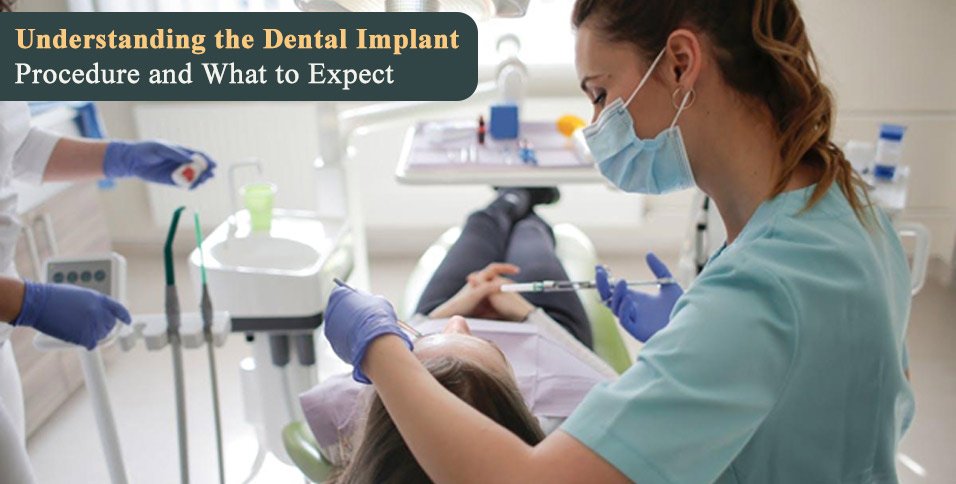
Initial Implant Placement marks the first surgical phase. After administering local anesthesia, your dentist creates a small incision in the gum tissue and precisely drills a socket into the jawbone. The titanium implant post — resembling a small screw — is then carefully placed into this prepared site. Most patients report feeling pressure during drilling but minimal pain due to effective numbing. The entire placement procedure typically takes 30 to 60 minutes per implant, depending on the location and complexity of the case.
Immediately following placement, the implant site is covered with gum tissue and allowed to heal undisturbed. This healing period lasts three to four months for lower jaw implants and four to six months for upper jaw placements, as the upper jaw has less dense bone. During this time, you’ll likely have a temporary partial denture or bridge to maintain function and appearance.
Abutment attachment represents the second minor surgical procedure. Once osseointegration is complete, the dentist reopens the gum tissue and attaches a small connector piece called an abutment to the implant. This component will support your final crown. The gums then heal around the abutment for approximately two weeks before crown placement.
The final restoration phase involves taking impressions and creating your custom crown, which is then secured to the abutment. This appointment typically requires no anesthesia and feels similar to receiving a regular filling. Working with an experienced implant dentist throughout this multi-phase process ensures proper healing assessment and optimal timing for each stage.
How Healing and Recovery Occur After Implant Surgery
The success of your dental implant depends heavily on how well your body integrates the titanium post with your natural bone structure. This biological process involves two distinct but overlapping phases of healing.
Understanding Osseointegration and Bone Healing
Osseointegration — the fusion of implant and bone — represents the most critical phase of implant success. Within days of placement, specialized bone cells called osteoblasts begin growing directly onto the implant surface. Titanium’s unique biocompatibility allows bone tissue to form a direct structural and functional connection with the implant, essentially treating it as part of your natural jaw.
This process occurs gradually over several months. During the first two weeks, initial bone formation begins around the implant threads. By six to eight weeks, new bone has started filling the spaces between the implant surface and existing bone. Complete osseointegration typically requires three to six months, with the timeline varying based on bone density and location within the mouth.
Signs of successful integration include the absence of mobility when gentle pressure is applied to the implant area. Your dentist will assess integration through clinical examination and sometimes X-rays before proceeding to the restoration phase. Failed osseointegration — though rare — usually becomes apparent within the first few months through persistent pain, swelling, or implant mobility.
Factors That Affect Recovery Time and Success
Several controllable factors significantly influence both healing speed and long-term implant success. Smoking represents the most significant risk factor, reducing success rates by up to 20% according to periodontal research. Nicotine restricts blood flow to the healing tissues, dramatically slowing bone formation and increasing infection risk.
Systemic health conditions also impact healing. Uncontrolled diabetes can impair the body’s ability to form new bone and fight infection. Patients taking medications like bisphosphonates for osteoporosis may experience delayed or compromised healing. Your medical history directly influences both candidacy and expected recovery timeline.
Post-operative care plays an equally important role. Following prescribed antibiotic regimens prevents infection during the vulnerable early healing period. Maintaining excellent oral hygiene while avoiding the surgical site, eating soft foods for the first week, and attending all follow-up appointments optimize healing conditions. Patients who strictly adhere to post-operative instructions typically experience faster, more predictable healing than those who don’t.
How Dental Implants Compare with Traditional Dentures
When facing tooth loss, the choice between implants and traditional dentures involves weighing function, comfort, and long-term oral health considerations. Each option offers distinct advantages depending on individual circumstances and priorities.
Functional differences become apparent immediately after treatment completion. Dental implants restore approximately 90% of natural chewing force, allowing patients to eat virtually any food without restriction. The implant’s fusion with jawbone creates stability that matches natural teeth. Traditional dentures, even well-fitted ones, provide only 25-30% of original chewing force due to their reliance on gum tissue support and suction for retention.
Daily comfort and convenience vary dramatically between options. Implants require no special cleaning routines beyond regular brushing and flossing — they’re maintained exactly like natural teeth. Traditional dentures require nightly removal, soaking in cleaning solutions, and daily adhesive application. Many denture wearers experience slipping during eating or speaking, particularly as jawbone shrinkage progresses over time.
Long-term oral health implications represent perhaps the most significant difference. Dental implants stimulate jawbone through normal chewing forces, preventing the bone loss that naturally occurs after tooth loss. Traditional dentures rest on top of gums and provide no bone stimulation, allowing continued jawbone resorption. Over 10-15 years, this bone loss often requires denture adjustments, relines, or complete replacements as facial structure changes.
The investment timeline also differs substantially. While implants require higher upfront costs, they typically last 20-30 years or longer with proper care. Traditional dentures generally need replacement every 7-10 years due to wear and changing jaw structure. When considering total lifetime costs, implants often prove more economical despite the initial expense difference.
What Are the Risks and Success Rates of Dental Implants?
Modern dental implant procedures carry relatively low complication rates, but understanding potential risks and realistic success expectations helps patients make informed decisions about treatment.
Common Complications Associated with Implant Surgery
Immediate post-surgical complications occur in fewer than 5% of cases but can include excessive bleeding, severe swelling, or nerve damage in lower jaw procedures. Temporary numbness in the lip or chin area happens occasionally with lower molar implants due to proximity to the inferior alveolar nerve. Most numbness resolves within several weeks, though permanent cases remain rare.
Infection around the implant site represents the most serious early complication, developing in approximately 2-3% of cases. Signs include persistent severe pain beyond normal healing discomfort, pus discharge, or fever. Early intervention with antibiotics typically resolves infections, but severe cases may require implant removal and site healing before replacement attempts.
Implant failure — the inability of the implant to integrate with bone — occurs in roughly 3-5% of cases. Early failures usually manifest within the first six months and often relate to poor healing conditions, infection, or inadequate bone quality. Late failures can happen years after successful integration, typically due to peri-implantitis (implant gum disease) or mechanical overload from grinding or clenching.
Factors That Influence Implant Success Rates
Patient health status significantly affects success probability. The 95%+ success rates widely cited apply to healthy, non-smoking patients with adequate bone density. Smokers face success rates 10-20% lower than non-smokers, while patients with uncontrolled diabetes or autoimmune conditions may see further reductions.
Implant location and bone quality also influence outcomes. Front teeth implants in the lower jaw typically show the highest success rates due to dense bone and favorable healing conditions. Upper jaw posterior implants face slightly higher failure rates due to less dense bone structure and proximity to sinus cavities.
Practitioner experience and technique plays a crucial role in predictable outcomes. Implant placement requires precise surgical technique, proper site preparation, and accurate assessment of healing progress. Studies consistently show higher success rates among practitioners who place implants regularly versus those who perform the procedure occasionally.
Who Is a Good Candidate and How to Prepare for Surgery
Successful implant placement depends on specific anatomical and health requirements that must be evaluated before treatment begins. Understanding candidacy criteria and preparation steps helps ensure optimal conditions for healing and integration.
Bone volume and density requirements form the foundation of implant candidacy. The jawbone must provide sufficient height, width, and density to support the implant during healing and function. Patients who have been missing teeth for extended periods often experience bone loss that requires grafting procedures before implant placement. Three-dimensional imaging allows precise measurement of available bone and identification of vital structures like nerves and sinuses.
General health considerations significantly impact candidacy decisions. Well-controlled diabetes, heart conditions, and other chronic diseases don’t automatically disqualify patients, but they require careful medical coordination and may affect healing timelines. Medications like blood thinners may need temporary adjustment around surgery dates. Smoking cessation is strongly recommended at least two weeks before surgery and throughout the healing period.
Pre-surgical preparation involves both medical and practical steps. Complete dental cleaning removes bacteria that could compromise healing, while any existing gum disease requires treatment before implant surgery. Your dentist will review all medications and supplements, as some may need temporary discontinuation. Planning for soft food meals, arranging transportation for surgery day, and understanding post-operative care instructions all contribute to smooth recovery and optimal outcomes.
The implant journey requires patience and commitment, but the result — a tooth replacement that looks, feels, and functions like your natural teeth — makes the process worthwhile for most patients. Success hinges on realistic expectations about the timeline, careful attention to healing requirements, and selection of an experienced surgical team committed to your long-term oral health.