Walk into two different healthcare units, and the difference is immediate, even before anyone speaks. One feels steady, coordinated, almost intuitive in how people move and respond. The other feels scattered, where communication takes extra effort and decisions don’t always land clearly. That contrast doesn’t come from written policies. It develops from how people show up every day, how they respond to pressure, and how expectations are carried through routine work.
Culture in these settings builds quietly through repetition. A tone of voice during handoffs, the way support is offered during long shifts, and the clarity of direction in busy moments. Each of these adds up. Moreover, those repeated behaviors shape how teams operate without needing constant explanation.
Direction and Support in Daily Operations
Guidance in a healthcare setting isn’t limited to formal instructions. It shows up in how decisions are communicated, how questions are handled, and how support is offered in real time. Staff look for consistency in these moments. Clear direction removes hesitation, while unclear guidance tends to create pauses that ripple through the team. Often, mid-level professionals take on higher roles as they’re tasked with managerial responsibilities. Nurses often deal with this a lot, and upskilling becomes an ally here.
Many professionals build this level of clarity through continued education, often choosing online MSN nursing leadership programs from institutions like St. Thomas University. Online formats allow them to stay present in clinical settings while developing leadership skills alongside real-world experience. This combination brings a practical edge to how guidance is delivered.
Workload Distribution
How work is assigned within a unit shapes how people interact with each other. Tasks that feel balanced support cooperation, while uneven distribution can quietly create distance between team members. It doesn’t always show up immediately, though it builds over time through repeated experiences.
A well-structured workload allows staff to focus on their responsibilities without constantly compensating for gaps. Everyone understands their role and how it fits within the larger picture.
Emergency Response Dynamics
High-pressure situations reveal patterns that aren’t always visible during routine work. In those moments, teams rely on instinct shaped by experience and familiarity with each other. Hesitation or confusion can slow everything down, while clear roles allow actions to unfold with precision.
Repeated exposure to these situations builds a shared understanding of how to respond. Staff begin to anticipate each other’s actions, which reduces the need for constant direction. This level of coordination carries into everyday tasks as well.
Training Environments
New staff often pick up more from observation than from formal instruction. The way experienced team members communicate, handle challenges, and manage their workload becomes the reference point. Early exposure shapes how quickly someone adapts and how comfortable they feel within the team.
A structured training environment provides clarity without overwhelming new staff. Expectations are visible, and support feels consistent rather than occasional. This helps new team members settle into the workflow without uncertainty. As they adapt, they begin to carry those same patterns forward, reinforcing the existing culture.
Patient Interaction Influence
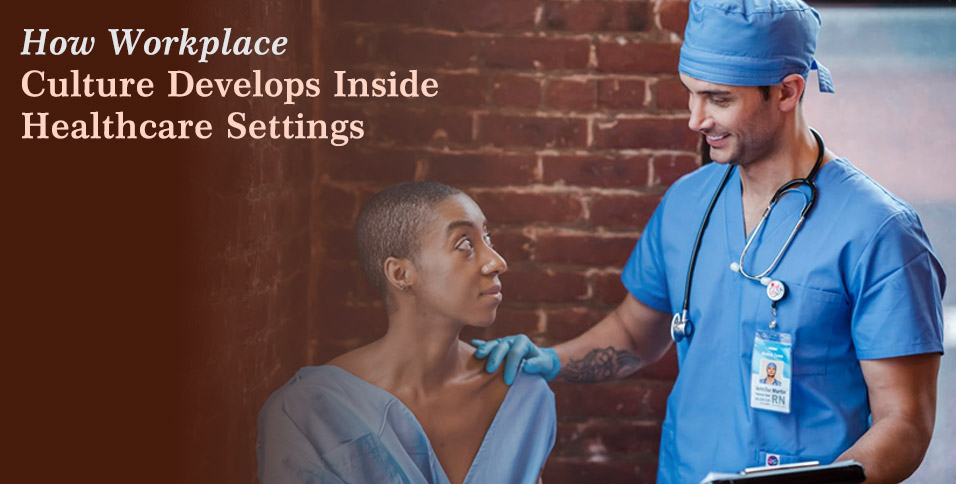
Communication style, level of attentiveness, and overall approach to care become shared patterns over time. Even subtle differences in tone can influence how patients experience the environment.
Consistency in patient interaction creates alignment across the team. Staff begin to mirror each other’s approach, which brings a sense of stability to daily care. This shared style doesn’t feel forced. It develops through repeated interactions and becomes part of how the team connects with both patients and each other.
Decision-Making Confidence
Decisions happen constantly in healthcare settings, often within tight timeframes and with limited room for hesitation. The way those decisions are approached shapes how confident staff feel in their roles. Unclear processes or inconsistent direction can create doubt, where team members second-guess actions or wait for confirmation before moving forward.
A thorough approach to decision-making brings steadiness into daily work. Staff understand what is expected and how to act within their scope. This clarity builds confidence over time, allowing teams to function without unnecessary pauses.
Scheduling Patterns
Work schedules carry a quiet influence over how teams function. Long shifts, irregular hours, and inconsistent rotations can affect focus, communication, and overall engagement.
Consistency in scheduling supports a more stable workflow. Staff become familiar with routines, team dynamics, and the pace of their shifts. This familiarity allows them to move through tasks with greater ease. Energy levels remain more balanced, and interactions within the team feel less strained. The structure created through scheduling becomes part of the culture itself.
Recognition of Effort
Effort in healthcare often goes unnoticed in formal ways, yet it is always present in daily work. Small actions, extra attention to patients, or stepping in during busy moments all contribute to how the unit functions. When those efforts are acknowledged, it reinforces a sense of value within the team.
Recognition doesn’t need to be elaborate. Consistent acknowledgment creates a workplace where people feel seen and appreciated. This builds a sense of connection and encourages continued engagement.
Consistency in Protocols
Protocols guide daily work, providing a framework for how tasks are carried out. Inconsistent application of these protocols can create confusion, especially when staff receive mixed signals about expectations. This lack of clarity can slow down processes and affect coordination.
Consistent use of protocols brings structure into the environment. Staff know what to expect and how to proceed in different situations. As such, this reduces uncertainty and allows teams to work with greater alignment.
Physical Work Environment
The layout and condition of a healthcare setting influence how comfortably staff can perform their tasks. Tight spaces, poorly organized areas, or limited access to resources can create friction during daily work. Even minor inefficiencies in the physical environment can affect how smoothly tasks are completed.
A well-organized space supports movement, access, and efficiency. Equipment is within reach, pathways remain clear, and the environment feels manageable rather than restrictive. This allows staff to focus on care without being slowed down by their surroundings. The physical space becomes a quiet support system that contributes to the overall culture.
Conflict Resolution Methods
Disagreements are part of any workplace, especially in high-pressure environments. The way those situations are handled leaves a lasting impression. Unresolved issues or unclear processes can create tension that lingers within the team.
Effective and consistent approaches to conflict resolution provide a way forward without disrupting the environment. Staff understand how concerns are addressed and feel more comfortable raising issues when needed. This openness supports healthier interactions and reduces long-term friction.
Workplace culture in healthcare doesn’t form through a single initiative or policy. It develops through repeated actions, shared expectations, and consistent patterns across daily work. Each element, from decision-making to communication and environment, contributes to how teams function together. A stable culture creates clarity, supports coordination, and allows teams to operate with confidence.