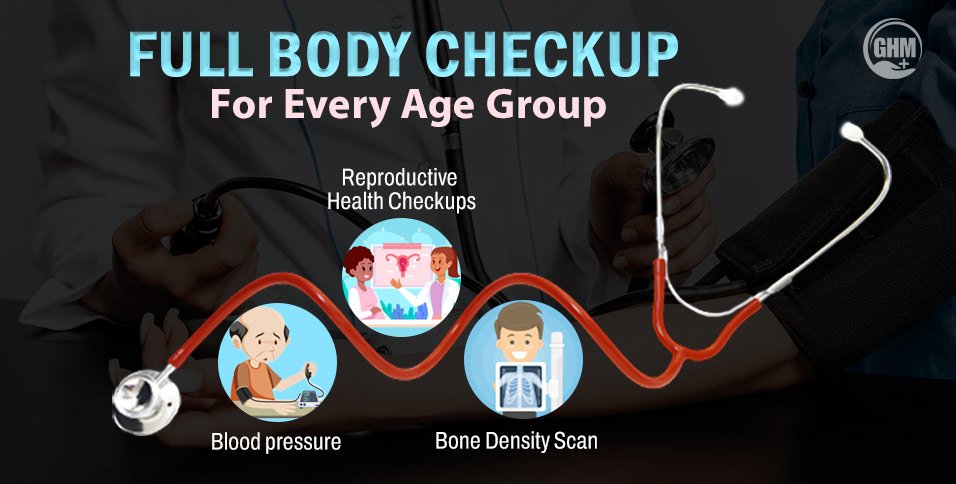
In the age of an unhealthy lifestyle, every person — whether a teenager, an adult, or an elder person — is struggling to maintain a healthy body. We are all unknowingly suffering from high blood pressure, diabetes, high cholesterol, and many more such conditions. That is when a regular full body checkup comes as a saviour. Every age group needs these preventive health checkups to understand their health, detect any risks earlier, and work on them to achieve a healthy body.
This guide gives a list of full body checkup health screenings for lifelong health, from early adolescence to older adulthood, so you can understand your body and take care of it.
Must-Do Full Body Checkup In Every Stage Of Life
Here is a list of the most essential full body checkup for different age groups.
Full Body Checkup In Your 10s
Childhood is a foundation for building a healthy life. Preventive health checkups in childhood can play a major part in long-term health.
1. General Physical Exam
A yearly physical exam in early adolescence helps monitor how well the body is growing during one of the most rapid developmental periods of life. In the routine health checkup, doctors measure kids’ height, weight, BMI, and waist circumference to identify early signs of obesity or nutritional deficiencies.
2. Vision Screening
Vision problems in children often begin or worsen between the ages of 10 to 13 due to increased reading, digital screen use, and schoolwork. Regular eye exams help detect nearsightedness and farsightedness. It ensures children don’t struggle academically due to unrecognised vision issues.
3. Dental Checkup
Dental issues such as cavities, gum inflammation, and misaligned teeth often emerge during early adolescence. Regular dental exams help prevent long-term tooth decay and address problems like early orthodontic needs. So, educate children on dental hygiene such as proper brushing and flossing to protect lifelong oral health.
4. Immunization Updates
Vaccination during early adolescence plays a critical preventive role. The HPV vaccine protects against infections that can lead to cancers later in life. While tetanus, diphtheria, and pertussis boosters strengthen immunity into adulthood. Depending on national guidelines, additional vaccines may also be recommended. Staying updated ensures strong protection during school years and early teenage social development.
Full Body Checkup In Your 20s
Your 20s are the decade of peak energy, but also when lifestyle risks start to begin. Almost 50% of young adults fail to get annual health screening and checkups.
1. Blood pressure screening:
High blood pressure often begins silently in the 20s due to stress, long work hours, high-salt diets, and irregular sleep. Checking your blood pressure at least once a year helps detect early hypertension, which is one of the leading risk factors for heart disease and stroke.
2. Blood glucose test:
Your 20s are the decade when insulin resistance can quietly develop, especially with sedentary jobs and frequent consumption of sugary foods and packaged snacks. A fasting blood glucose test or HbA1c helps identify early signs of prediabetes long before symptoms appear.
3. Lipid profile:
Many young adults now experience elevated LDL levels due to low physical activity and modern eating patterns. A lipid profile measures good and bad cholesterol, helping assess heart health. Identifying abnormal levels early prevents fatty buildup in arteries, reducing long-term heart disease risk.
4. Thyroid function test:
Thyroid disorders commonly begin in the 20s and affect energy levels, metabolism, mood, and weight. A thyroid panel helps identify hormonal imbalances that may contribute to fatigue, hair loss, irregular periods (in women), or unexplained weight changes. Early thyroid management improves overall health and quality of life.
5. Vitamin D & B12 levels:
Modern lifestyles, long hours indoors, limited sunlight exposure, and irregular diets make vitamin D and B12 deficiencies extremely common among young adults. Therefore, check vitamin levels with a full body checkup.
6. STI screenings:
Sexually active individuals in their 20s should undergo periodic screenings for STIs such as HIV, chlamydia, syphilis, and HPV. Many sexually transmitted infections show no early symptoms, but routine testing ensures early treatment, protects partners, and supports overall reproductive health.
Full Body Checkup In Your 30s & 40s
In the age group of 30-40, chronic diseases begin to rise noticeably. The WHO estimates that noncommunicable diseases (NCDs) cause 74% of all global deaths, many starting silently in these decades.
1. Blood Pressure & Heart-Health Evaluation
In older adults, work-related stress, sleep changes, and lifestyle habits begin to influence the cardiovascular system. Regular blood pressure checks help detect early hypertension, a silent condition. Doctors may also recommend cholesterol testing to older adults at least once every 4–6 years or more frequently if your family has a history of heart disease.
2. Metabolic Screening
Metabolic disorders often start developing quietly in the early 30s. Screening for diabetes, abnormal cholesterol, and obesity helps your doctor track early metabolic shifts driven by diet, inactivity, or genetics.
3. Reproductive Health Checkups
For women, Pap smears, HPV testing, breast exams, and discussions around fertility planning become important in the 30s. For men, testicular exams and early screening for hormonal imbalances may be recommended. These checkups help detect infections, cancers, or fertility issues sooner, when treatments are more effective.
4. Eye & Dental Checkups
Vision can undergo early deterioration due to long screen hours at work. Similarly, dental cleanings and oral exams prevent early gum disease, now linked to heart problems and diabetes. Maintaining oral and eye health in your 30s prevents chronic issues that could compound in later decades.
5. Cancer Screenings
Cancer risk increases gradually with age. Women may be advised to begin regular mammograms around age 40, depending on national guidelines and family history. Men may require prostate-specific antigen (PSA) testing if they have risk factors such as genetics or urinary symptoms. Screening for colon cancer also becomes important in the late 40s.
It is the most crucial time to commit to health checkups by the age group of 30s and 40s to prevent midlife health complications.
In Your 50s and Beyond
In the 50s, health risks start to increase significantly. According to global data, 1 in 4 adults over 50 is suffering from diabetes along with multiple chronic illnesses. Prioritising a full body health checkup can significantly extend your lifespan, and that too, a healthy and aware one.
1. Comprehensive Heart & Metabolic Evaluation
Your 50s mark a crucial time for monitoring cardiovascular health. Blood pressure, cholesterol, blood sugar, ECG, and sometimes echocardiograms or stress tests help detect hidden risks. This decade carries one of the highest rates of heart disease onset, making preventive checks extremely valuable.
2. Colonoscopy & GI-Related Screenings
Most guidelines recommend starting colon cancer screening at age 50 (or earlier for high-risk groups). Colonoscopy helps detect polyps that can develop into cancer over time. Your doctor may also assess digestive health issues such as acid reflux, gut inflammation, or nutrient deficiencies.
3. Bone Density Scan (DEXA)
In the 50s, bone issues such as osteoporosis become more common, especially in postmenopausal women. A DEXA scan measures bone strength and helps prevent fractures before they occur. Men with risk factors such as smoking, long-term steroid use, or low physical activity may also benefit from the DEXA screening.
4. Vision, Hearing & Neurological Screening
In old age, cataracts and hearing loss become more noticeable. Through routine health checkup, early detection can prevent accidents, falls, and daily discomfort. Cognitive screenings also help detect early memory changes, ensuring intervention at the earliest stage.
Practical Tips to Get Started on Routine Health Checkup
- Start with a basic annual health screenings if you’ve never done one.
- Move to more comprehensive screenings as you enter your 30s, 40s, and 50s.
- Maintain digital or written records of test values.
- Pair health screenings with healthy lifestyle changes.
Conclusion
Preventive health isn’t optional; it is the foundation of lifelong wellness. By following full body checkup in every phase of life, you reduce the risk of chronic disease, detect hidden problems early, and stay healthier for decades.
Your health is an investment. Don’t wait any longer. Start today.
FAQs
1. Does health insurance cover full-body checkups?
Many health insurers now offer coverage for preventive checkups, either annually or as part of wellness benefits. However, the type and extent of coverage vary by provider and policy. Always check your plan details.
2. How often should you get health checkups?
Most adults benefit from annual health screening. Those with chronic conditions, obesity, high stress, or a family history of major diseases may require testing every 6–12 months.